Introduction
Choosing the right dye is an important step in product development. The wrong dye can cause uneven color, poor solubility, unwanted separation, or inconsistent manufacturing results. One of the first considerations is whether the dye needs to dissolve in water or an oil-based system.
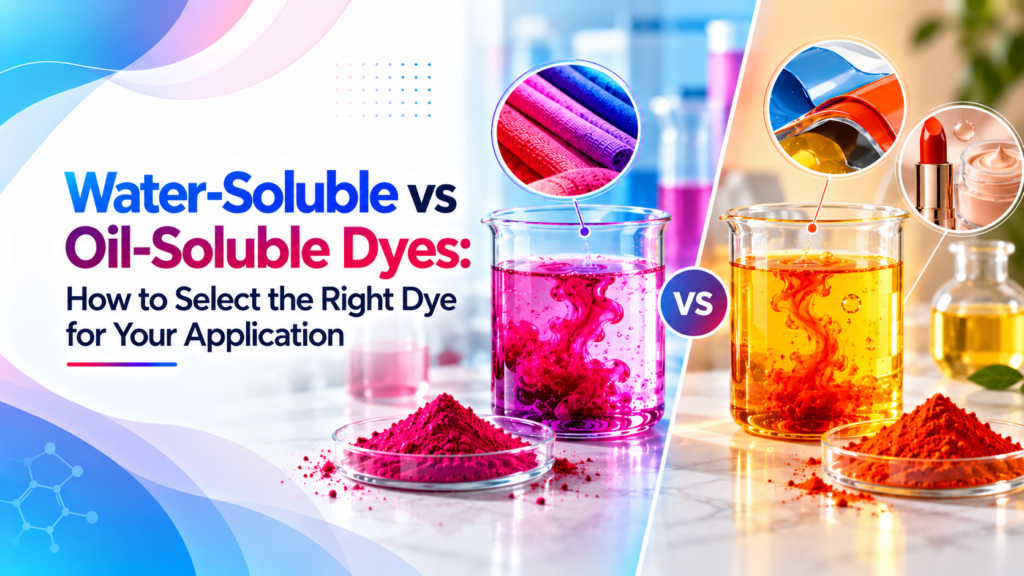
Water-soluble and oil-soluble dyes serve different purposes. Water-soluble dyes dissolve in water, while oil-soluble dyes dissolve in suitable oils or other compatible nonpolar media. The choice depends on the product’s formulation, processing conditions, and required color performance.
For manufacturers working with food, cosmetics, pharmaceuticals, personal care products, or industrial formulations, understanding these differences can improve product consistency and simplify selection.
This guide explains how water-soluble and oil-soluble dyes differ, where they may be used, and what to consider when selecting a dye for your application.
What Are Water-Soluble Dyes?
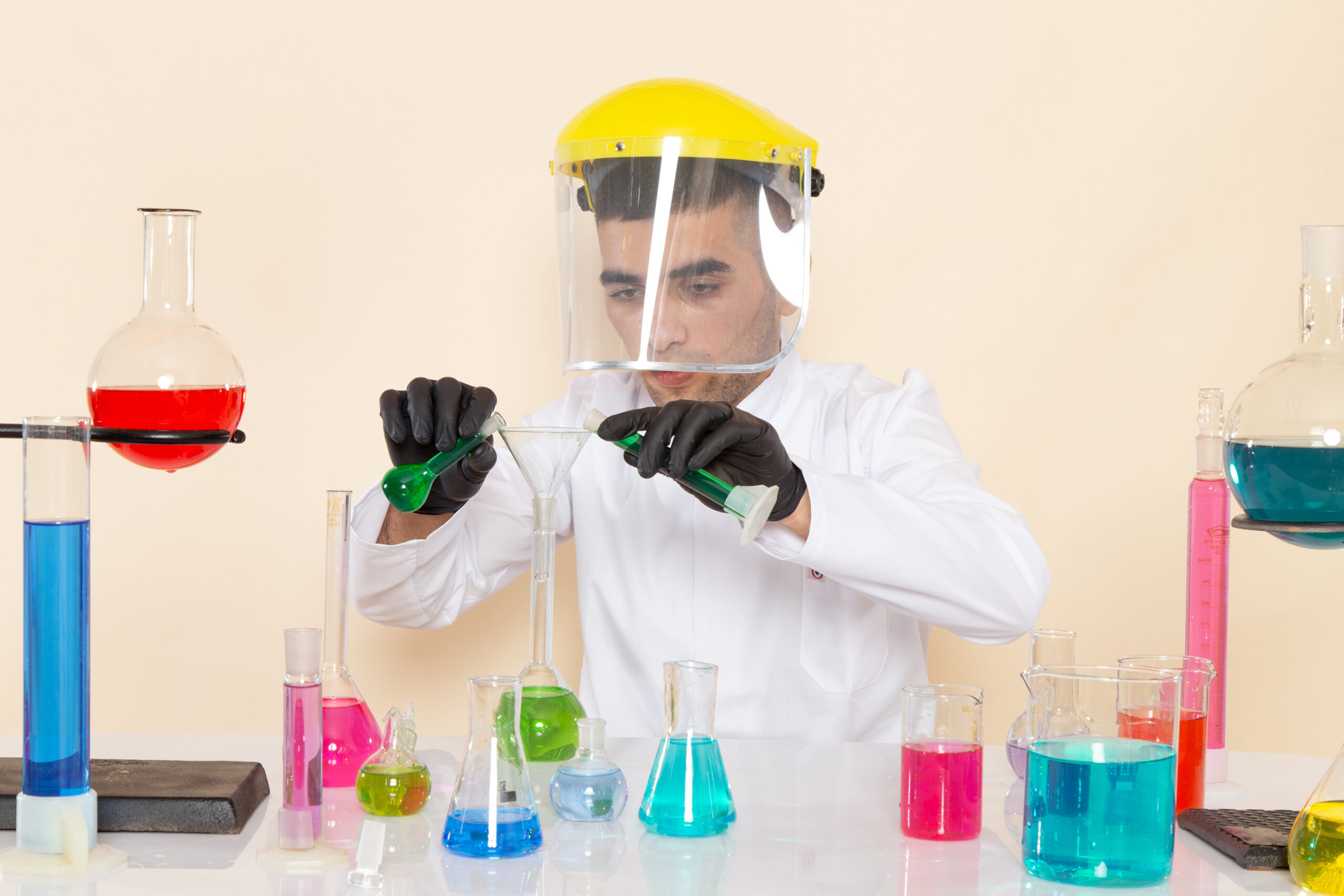
Water-soluble dyes dissolve in water to form a colored solution. They suit applications where water is the main liquid phase, and the dye must distribute evenly throughout the formulation.
These dyes are commonly considered for water-based products, including selected beverages, liquid formulations, personal care products, and industrial applications. However, suitability depends on the specific dye, the intended use, and the applicable regulations.
Key Characteristics of Water-Soluble Dyes
- Water compatibility: Dissolve in water when used under suitable conditions.
- Even color distribution: Can provide uniform coloration in compatible water-based formulations.
- Easy incorporation: May be added through an aqueous solution or directly during a suitable mixing process.
- Formulation dependence: Performance can change with pH, temperature, other ingredients, and storage conditions.
Common Applications, Water-soluble dyes may be used in:
- Food and beverage formulations, where the specific dye is permitted.
- Water-based personal care products and cosmetics.
- Pharmaceutical formulations, where approved for the intended use.
- Water-based inks and selected industrial products.
For manufacturers looking for a water-based colorant, the first step is to determine whether they need a dissolved dye or a dispersed pigment. These are different material types and do not always produce the same results.
What Are Oil-Soluble Dyes?
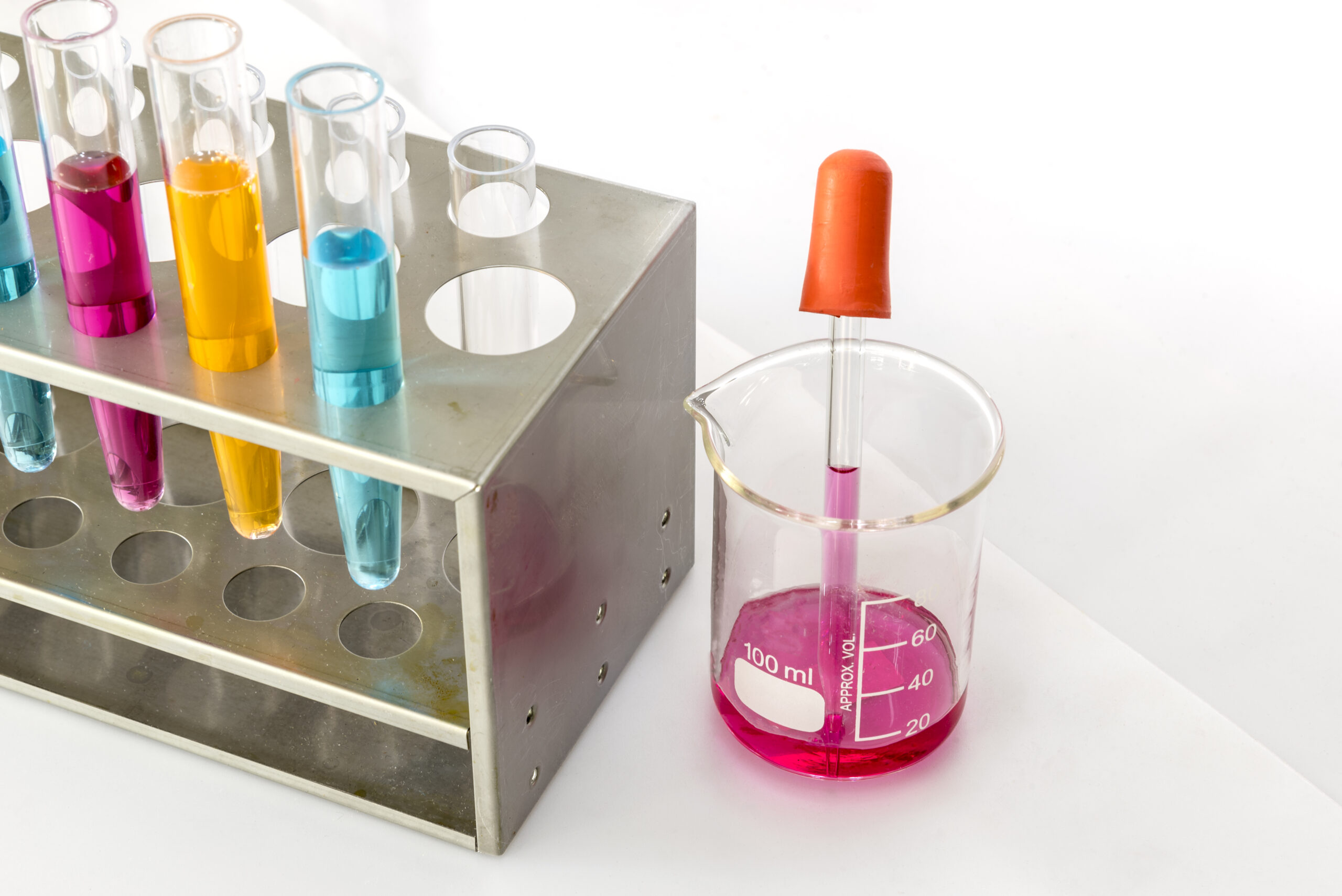
Oil-soluble dyes dissolve in compatible oils or other suitable nonpolar media. Use them when a formulation contains an oil phase and a water-soluble dye won’t dissolve properly in that phase.
These dyes can help provide color in selected oil-based formulations. However, oil solubility alone does not guarantee compatibility with every oil, wax, resin, or finished product.
Key Characteristics of Oil-Soluble Dyes
- Oil compatibility: Dissolve in specific oils or compatible nonpolar solvents.
- Formulation suitability: Can provide uniform coloration when properly matched to the oil phase.
- Solubility requirements: Must be evaluated in the actual base material rather than selected by name alone.
- Performance testing: May require testing for heat stability, light exposure, and long-term color retention.
Common Applications , Oil-soluble dyes may be considered for:
- Oil-based cosmetic and personal care formulations, where permitted.
- Waxes, oils, and selected specialty products.
- Certain solvent-based inks and industrial formulations.
- Other nonpolar systems that require a dye in solution.
The right choice depends on the dye’s chemical properties and the finished product’s requirements.
Water-Soluble vs. Oil-Soluble Dyes: Key Differences
Comparison factorWater-soluble dyesOil-soluble dyesMain mediumWaterCompatible oils or nonpolar mediaDissolutionDissolve in waterDissolve in suitable oil-based mediaTypical formulationWater-based systemsOil-based systemsMain selection concernWater solubility and aqueous stabilityOil compatibility and solubilityPossible applicationsSelected beverages, water-based cosmetics, inksSelected oils, waxes, cosmetics, and specialty productsImportant testingpH, temperature, stability, and ingredient compatibilityOil compatibility, temperature, stability, and ingredient compatibility
Neither type is automatically better. A dye that performs well in one formulation may be unsuitable for another.
How to Select the Right Dye for Your Application
Selecting a dye requires more than matching its solubility to the product. Consider the following factors before making a final decision.
1. Identify the Base Formulation
Determine whether the product is water-based, oil-based, solvent-based, or an emulsion containing both water and oil.
For an emulsion, a dye that dissolves in the water phase may not color the oil phase. Define the required color distribution before selecting the dye.
2. Check Solubility and Compatibility
Confirm that the dye dissolves in the actual formulation under the intended processing conditions. Consider the ingredients, pH, mixing method, and processing temperature.
If the dye does not dissolve properly, the product may develop uneven coloration or visible deposits.
3. Define the Required Color Performance
Identify the target shade, color strength, transparency, and expected consistency between production batches. Test the dye at the intended concentration before scaling up.
4. Evaluate Stability
Check how the dye performs under relevant conditions, including light exposure, temperature changes, pH variations, and storage.
A dye that produces the correct shade during initial mixing may not maintain that shade throughout the product’s shelf life.
5. Verify Regulatory Requirements
For food, pharmaceutical, and cosmetic applications in the United States, confirm that the specific color additive is permitted for the intended product and use. FDA requirements can include restrictions on application, concentration, and batch certification.
A dye suitable for one cosmetic or food application is not automatically approved for every other use. Review the relevant FDA regulations and product specifications before purchase.
6. Review Supplier Documentation
Work with a manufacturer or supplier that can provide relevant technical specifications, safety documentation, batch information, and, where applicable, regulatory documentation.
For industrial buyers, this information helps assess quality consistency and suitability before production begins.
How to Control pH During Dyeing
Good pH control starts before you add the dye.
1. Check the starting water
Water quality and its natural pH can influence the dye bath. Hardness, alkalinity, and other dissolved materials can also affect the process.
2.Use suitable pH regulators
Select acids, alkalis, or buffer systems based on the dye class and process requirements. Buffering can help prevent sudden pH changes during dyeing.
3.Monitor pH during the process
Measuring pH only at the beginning may not be enough. Chemicals consumed during processing can change the bath conditions.
4.Follow the dye supplier’s technical data
Consider the recommended pH range along with temperature, dosage, auxiliaries, and substrate.
5.Validate at laboratory scale
Before production, compare shade, color strength, exhaustion, leveling, and fastness at different controlled pH values.
Why Choosing the Right Dye Matters
The correct dye can support more consistent production, reduce formulation problems, and help manufacturers achieve their target appearance. It can also simplify quality control by reducing the risk of solubility issues and unwanted color variation.
However, the result depends on the complete formulation and manufacturing process, not just the dye category. Laboratory trials and compatibility testing remain important before commercial production.
Conclusion
Water-soluble and oil-soluble dyes serve different formulation needs. Water-soluble dyes suit compatible aqueous systems, while oil-soluble dyes are intended for suitable oil-based media. Selecting between them requires a clear understanding of the base formulation, solubility, stability, performance requirements, and regulatory restrictions.
Hridhan Chem supports businesses seeking dye manufacturing and supply solutions for their applications. If you are evaluating dyes for a new formulation or an existing manufacturing process, contact the team to discuss your application, technical specifications, and product requirements.
Looking for the right dye for your application? Contact Hridhan Chem to discuss your dye requirements and identify suitable options for evaluation.
FAQs
Water-soluble dyes dissolve in water, while oil-soluble dyes dissolve in compatible oils or other suitable nonpolar media. The correct type depends on the formulation.
Generally, water-soluble dyes won’t dissolve directly in a pure oil phase. You may need a different dye or a suitable formulation approach, depending on the product.
Some oil-soluble dyes may suit specific cosmetic applications. The exact substance must be permitted for the intended use and compatible with the formulation.
Check water solubility, formulation compatibility, pH stability, heat and light stability, target shade, and applicable regulatory requirements. Test the selected dye in the actual formulation before production.
Manufacturers should review product specifications, solubility, color strength, batch consistency, relevant safety documentation, and regulatory suitability for the intended application.
Compare manufacturers based on product specifications, technical support, quality control practices, batch documentation, supply capability, and their ability to meet your application’s requirements. Request samples and test them before finalizing a supplier.