About

We manufacture a wide range of chemical dyestuff color products using strict quality control processes and modern technologies. As responsible dyestuff manufacturers, our chemical experts conduct detailed quality tests to ensure products meet FDA international and ISO standards, delivering the best value to customers with high quality and zero impurities.

About

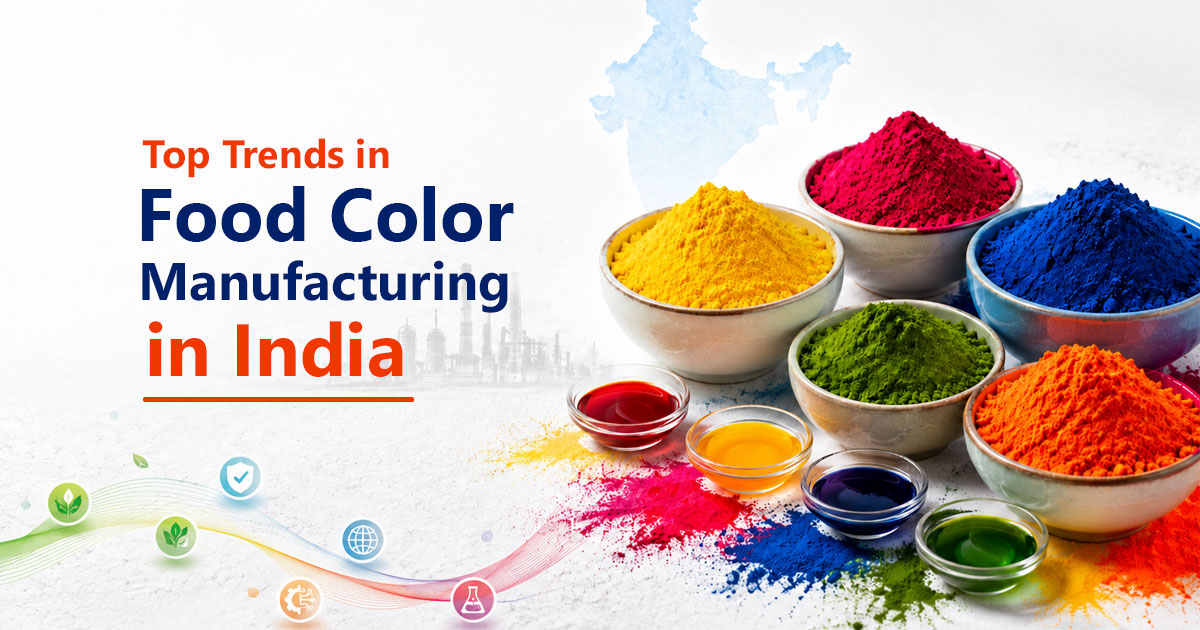
Top Trends in Food Color Manufacturing in India (2026 Guide)

Introduction The food industry is changing fast, and colors play a big role in how people choose what to eat. Today, buyers want safe, natural, and high-quality ingredients. That is why food color manufacturers in India are evolving quickly. India has become a key hub for global supply, thanks to strong manufacturing, cost efficiency, and growing demand for clean-label products. Whether you are a brand owner, distributor, or sourcing expert, understanding these trends will help you stay ahead. In this guide, we will break down the top trends shaping the future of every food pigments manufacturer, food dyes manufacturer, and supplier in the market. 1. Shift Toward Advanced Food Color Solutions The food industry is evolving rapidly, and brands today focus heavily on visual consistency, product appeal, and regulatory compliance. As a result, food color manufacturers in India are developing advanced color solutions that deliver better performance across multiple food applications. Modern food color manufacturers are now focusing on: High-stability color formulations Better heat and light resistance Improved color consistency across batches Enhanced compatibility for beverages, bakery, confectionery, and dairy products A leading food pigments manufacturer continuously invests in innovation, testing, and formulation improvements to meet changing industry demands and…

Top Trends in Food Color Manufacturing in India (2026 Guide) Read More
dyestuff manufacturers in india
About

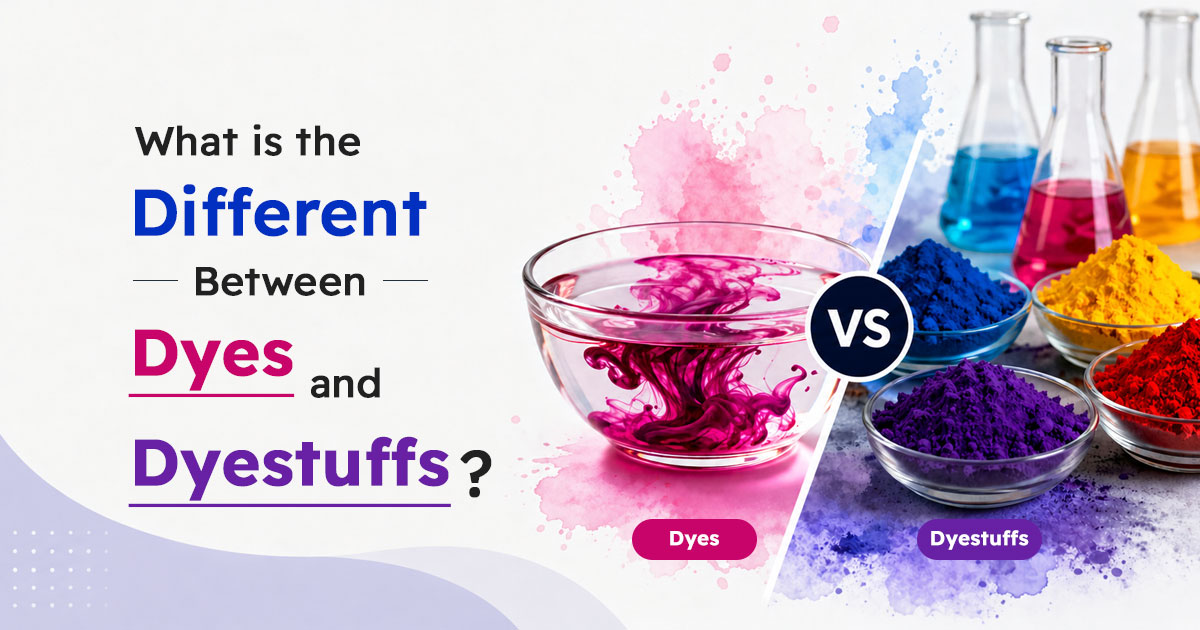
What Is the Difference Between Dyes and Dyestuffs?

Introduction If you work with colors, whether in textiles, food, cosmetics, or printing, you’ve likely heard the terms dyes and dyestuffs. Many people use them interchangeably, but they are not exactly the same. Understanding the difference helps businesses choose the right materials. It also helps them work better with trusted dyestuff manufacturers in India and worldwide. It also helps in improving product quality, consistency, and compliance. In this blog, we’ll break it down in simple terms—what dyes are, what dyestuffs are, and how they differ in real-world use. What Are Dyes? Dyes are colored substances that can dissolve in water or other solvents. People use them to color materials like fabric, paper, leather, and even food. When applied, dyes bond chemically or physically with the material, giving it a stable and long-lasting color. Key Features of Dyes: Soluble in water or solvents Penetrate deeply into materials Provide bright and uniform color Commonly used in textiles, food, and cosmetics Many dye makers in India produce many types of dyes for different industries, including reactive, acid, and direct dyes. What Are Dyestuffs? Dyestuff is a broader term. It includes dyes but also refers to the complete coloring material in its usable form.

What Is the Difference Between Dyes and Dyestuffs? Read More

Key Factors to Consider When Choosing a Reliable Chemical Manufacturing Partner
About

Key Factors to Consider When Choosing a Reliable Chemical Manufacturing Partner

Introduction Choosing the right chemical manufacturing partner is a critical decision for businesses across industries such as cosmetics, food, pharmaceuticals, plastics, and textiles. Whether you are working with a dyestuff manufacturer in India, a pharmaceutical color manufacturer, or a cosmetic color manufacturer, the reliability of your partner directly impacts product quality, safety, and brand reputation. With many dye manufacturers in India and special suppliers, it is important to look at more than just price. Several factors affect whether a manufacturer can help your long-term growth. These include compliance, quality control, innovation, and scalability. This guide highlights key considerations when selecting a reliable chemical manufacturing partner. 1. Industry Experience and Specialization Experience matters in chemical manufacturing. A partner with proven expertise understands industry standards, regulations, and real-world challenges. For example, food color manufacturers in India must follow strict safety rules. Plastic dye manufacturers need to know a lot about material compatibility. Choose manufacturers who specialize in your product category, whether that includes water-based colorants, cosmetic pigments, pharmaceutical colors, or industrial dyes. Specialized experience leads to better consistency and fewer production risks. 2. Quality Standards and Certifications Quality should never be compromised. Reliable manufacturers invest in robust quality control systems and hold

Key Factors to Consider When Choosing a Reliable Chemical Manufacturing Partner Read More

How to Evaluate a Color Supplier: A Practical Checklist for Manufacturers
About

How to Evaluate a Color Supplier: A Practical Checklist for Manufacturers

Introduction Choosing the right color supplier is one of the most critical decisions for any manufacturer. Whether you make color cosmetics in India, food, medicine, or plastic goods, the quality of your colorants matters. With so many dyestuff manufacturers in India, the process can feel confusing. But a clear, practical checklist can help you compare suppliers based on quality, safety, pricing, and long-term reliability. In this blog, we explain what you need to think about before choosing a partner. This applies whether you need water-based colorant, cosmetic pigments, food colors, or pharmaceutical dyes. A Practical Checklist for Selecting the Right Color Supplier 1. Product Quality and Testing Standards Start by reviewing the supplier’s quality certifications. Reliable dye manufacturers in India should follow strict quality testing and provide batch-wise reports.Look for:• Consistency in shade• Purity and stability• Certificates such as ISO, GMP, or regulatory complianceThis is especially important for a pharmaceutical colors manufacturing company, as these products must meet strict safety norms. 2. Range of Products Offered A strong supplier should offer a wide selection based on your industry’s needs. This includes:• Water-based colorant• Oil-soluble and solvent-soluble dyes• Organic and inorganic pigments• Specialty blendsA broad portfolio ensures you don’t rely on

How to Evaluate a Color Supplier: A Practical Checklist for Manufacturers Read More

Scroll to Top