April 2026

Why Animal Food Colors Matter in Pet Food Manufacturing
Food Colors

Why Animal Food Colors Matter in Pet Food Manufacturing

Introduction When people buy food for their pets, they often focus on ingredients, nutrition, and brand trust. But there’s another factor that plays a quiet yet important role—color. The way pet food looks can affect how pet owners perceive, store, and even accept it. This is where Pet Food Colors come in. While pets may not judge food the same way humans do, color still matters in the overall product experience. From dry kibble to treats, the right coloring helps maintain consistency, brand identity, and product appeal. A reliable Animal Food Colors Manufacturer ensures that these colors are safe, stable, and suitable for pet consumption. In this blog, we’ll explore why animal food colors matter. We’ll also show how they support modern pet food manufacturing. What Are Pet Food Colors? Manufacturers specially design pet food colors as colorants for use in pet food products. These can be natural or synthetic, depending on the product type and manufacturer preference. They are commonly used in: Dry kibble Wet food Pet treats Nutritional supplements These colors are carefully developed to meet safety standards while maintaining product quality throughout its shelf life. Why Pet Food Colors Matter a. High-Purity Color Formulations Modern manufacturers are…

Why Animal Food Colors Matter in Pet Food Manufacturing Read More
Innovations in Pharmaceutical Color Manufacturing
Pharmaceutical Colors

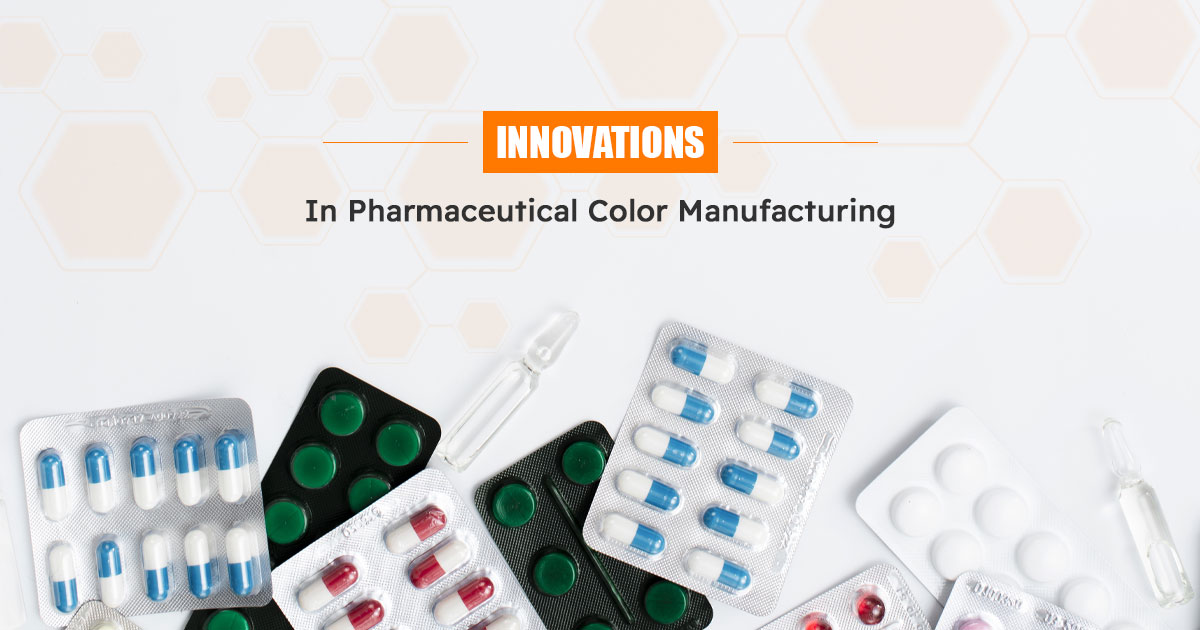
Innovations in Pharmaceutical Color Manufacturing

Introduction The pharmaceutical industry has come a long way, and colors play a bigger role than most people realize. From tablets and capsules to syrups, colors help in identification, branding, and even patient trust. Today, every pharmaceutical colors manufacturing company is focusing on safer, more stable, and more advanced solutions. With changing regulations and rising demand for clean and sustainable products, every pharmaceutical color manufacturer is adopting new technologies. Interestingly, innovations in this field are also influenced by advancements seen in color cosmetics manufacturers in India and every modern cosmetic colors manufacturing company. Let’s take a closer look at the latest innovations shaping this space. 1. Why Pharmaceutical Colors Matter Pharmaceutical colors are not just for looks. They serve important purposes: Help patients identify medicines easily  Reduce medication errors  Improve product appeal and trust  Support branding for pharmaceutical companies Because of this, every pharmaceutical colors manufacturing company must meet strict safety and quality standards. 2. Key Innovations in Pharmaceutical Color Manufacturing a. High-Purity Color Formulations Modern manufacturers are focusing on ultra-pure color ingredients. These reduce the risk of contamination and improve product safety. b. Improved Stability New formulations are designed to stay stable under heat, light, and moisture. This ensures

Innovations in Pharmaceutical Color Manufacturing Read More

cosmetic colors manufacturing company production process
Cosmetic Colors

How Cosmetic Colors Manufacturing Companies Ensure Quality

Introduction When you pick up your favorite lipstick, eyeshadow, or foundation, color plays a major role in your choice. But behind those vibrant shades is a careful process that ensures safety, consistency, and quality. A reliable cosmetic color manufacturing company follows strict procedures to ensure that every batch meets global standards. Today, many color cosmetics makers in India deliver safe, high-quality, and innovative color solutions for global brands. In this blog, we’ll show how these companies keep quality high at every stage. We’ll cover raw materials sourcing through final product testing. 1. High-Quality Raw Material Selection Quality starts at the source. Leading manufacturers carefully select raw materials such as pigments, dyes, and minerals. These materials must meet safety standards set by regulatory bodies like the FDA or EU guidelines. What they focus on: Purity of pigments Non-toxic ingredients Skin-safe formulations Manufacturers also work with trusted suppliers and verify every batch before use. This ensures no harmful substances enter the production process. 2. Strict Manufacturing Processes A professional cosmetic colors manufacturing company follows controlled manufacturing processes. This includes using advanced machinery and maintaining a clean production environment. Key practices include: Following Good Manufacturing Practices (GMP) Maintaining hygiene in production areas Using

How Cosmetic Colors Manufacturing Companies Ensure Quality Read More

pharmaceutical colors manufacturing process quality control
Pharmaceutical Colors

Key Regulations for Pharmaceutical Colors Manufacturing Companies

Introduction The pharmaceutical industry depends on safety, accuracy, and consistency. Colors used in medicines may seem like a small detail. They still play a crucial role in product identity, patient trust, and dosage clarity. Because of this, every pharmaceutical colors manufacturing company must follow strict rules and guidelines. From raw material selection to final product approval, regulations ensure that pharmaceutical colors are safe for human use. Whether you are a new pharmaceutical color maker or an established business, you must understand these rules. This blog explains the key regulations in a simple way so you can clearly understand what matters most. Key Regulatory Bodies You Should Know Every pharmaceutical colors manufacturing company must follow the guidelines set by regulatory authorities. Some of the most important ones include: 1. FDA (U.S. Food and Drug Administration) The FDA regulates the use of color additives in pharmaceutical products in the United States. It specifies which colors you can use and under what conditions. 2. European Medicines Agency (EMA) Companies exporting to Europe must follow EMA guidelines. These rules are similar but not always identical to FDA standards 3. WHO (World Health Organization) WHO provides global guidelines, especially helpful for companies supplying multiple countries.

Key Regulations for Pharmaceutical Colors Manufacturing Companies Read More

Scroll to Top