Introduction
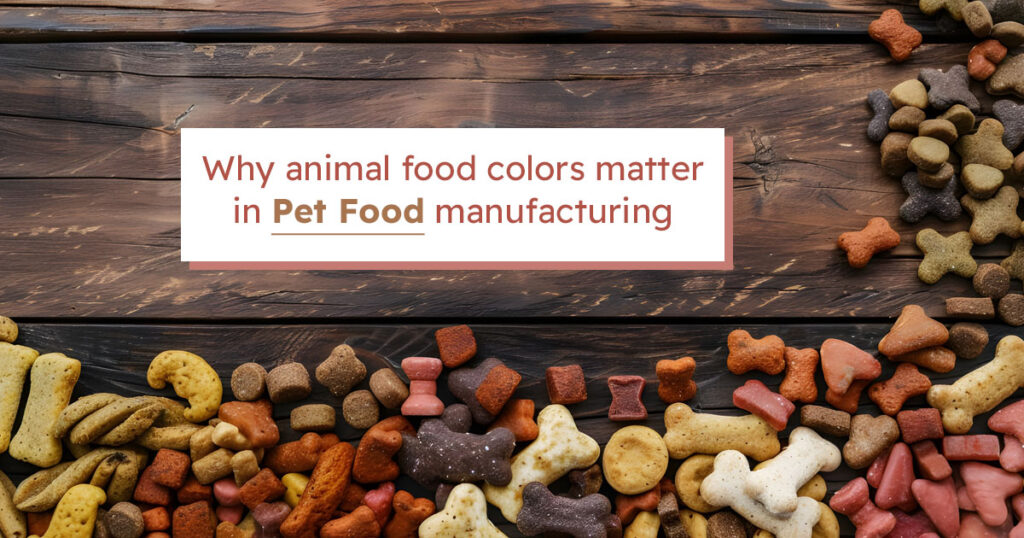
When people buy food for their pets, they often focus on ingredients, nutrition, and brand trust. But there’s another factor that plays a quiet yet important role—color. The way pet food looks can affect how pet owners perceive, store, and even accept it.
This is where Pet Food Colors come in. While pets may not judge food the same way humans do, color still matters in the overall product experience. From dry kibble to treats, the right coloring helps maintain consistency, brand identity, and product appeal.
A reliable Animal Food Colors Manufacturer ensures that these colors are safe, stable, and suitable for pet consumption. In this blog, we’ll explore why animal food colors matter. We’ll also show how they support modern pet food manufacturing.
What Are Pet Food Colors?
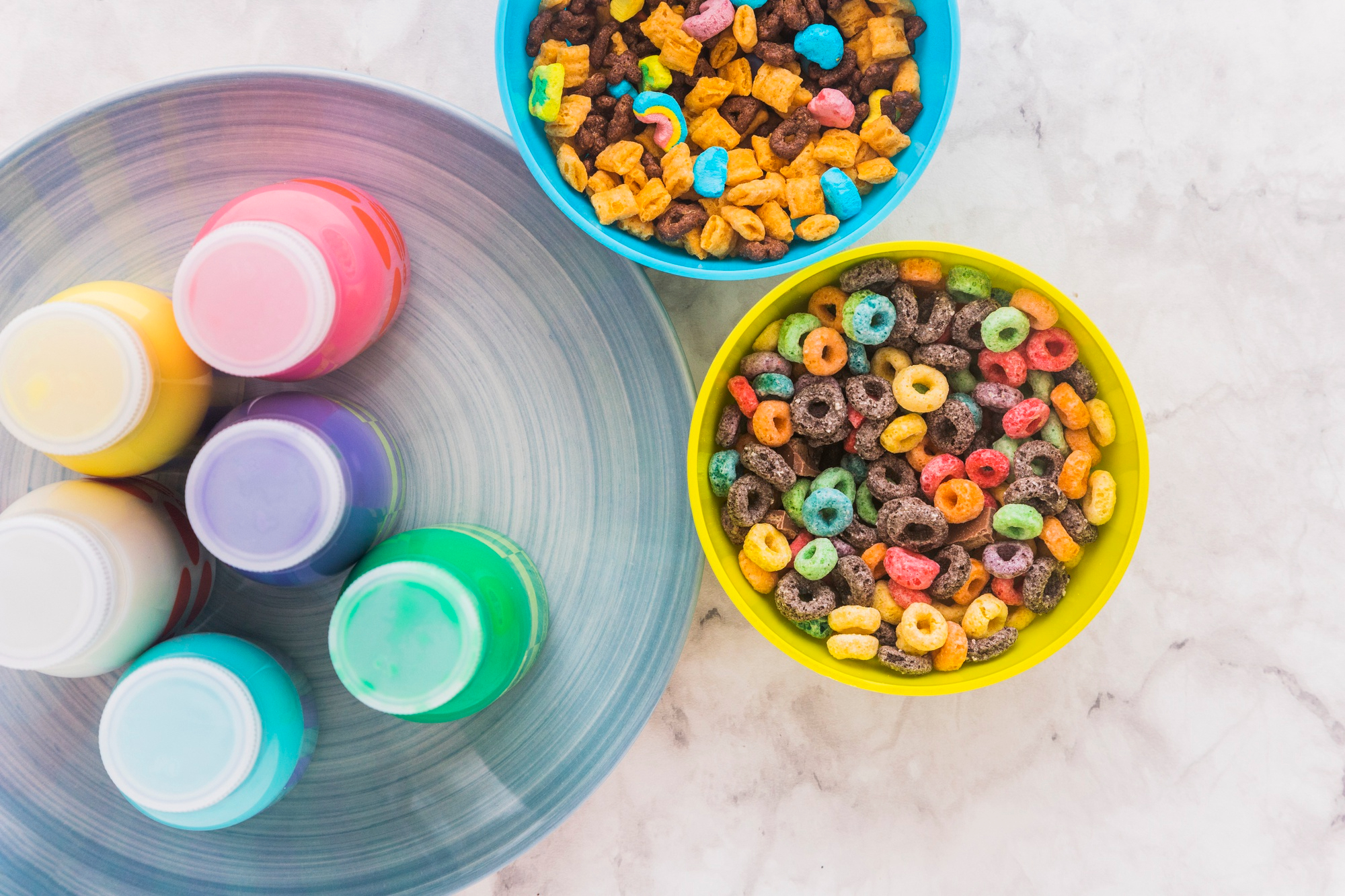
Manufacturers specially design pet food colors as colorants for use in pet food products. These can be natural or synthetic, depending on the product type and manufacturer preference.
They are commonly used in:
- Dry kibble
- Wet food
- Pet treats
- Nutritional supplements
These colors are carefully developed to meet safety standards while maintaining product quality throughout its shelf life.
Why Pet Food Colors Matter
a. High-Purity Color Formulations
Modern manufacturers are focusing on ultra-pure color ingredients. These reduce the risk of contamination and improve product safety.
b. Improved Stability
New formulations are designed to stay stable under heat, light, and moisture. This ensures the color remains consistent throughout the product’s shelf life.
c. Custom Color Solutions
Today, every pharmaceutical color manufacturer offers tailored shades based on client requirements. This helps brands maintain a unique identity.
1. Improve Product Appearance
First impressions matter—even in pet food. Pet owners often associate color with freshness and quality. For example, brown shades may represent meat-based products, while green tones may suggest added vegetables.
Using Pet Food Colors helps manufacturers create a consistent and appealing look that builds trust with customers.
2. Maintain Brand Consistency
Every pet food brand wants its products to look the same every time. Without proper coloring, natural ingredient variations can lead to uneven shades.
An experienced Animal Food Colors Manufacturer helps brands maintain uniform color across batches, which is important for brand recognition.
3. Help Differentiate Product Variants
Many brands offer multiple flavors or formulas. Colors can help distinguish between them quickly.
For example:
- Chicken flavor may have a light brown tone
- Beef flavor may appear darker
- Vegetable blends may include green shades
This makes it easier for pet owners to identify products on store shelves.
4. Support Quality Perception
Even if the nutritional value remains the same, inconsistent color can raise concerns about product quality. A stable and uniform appearance helps build confidence in the product.
That’s why manufacturers rely on high-quality Pet Food Colors that remain stable during processing and storage.
5. Ensure Stability During Processing
Pet food goes through high heat, pressure, and moisture during production. Not all colors can handle these conditions.
A trusted Animal Food Colors Manufacturer develops colors that can:
- Withstand high temperatures
- Maintain shade after processing
- Stay consistent over time
This ensures the final product looks as intended.
Types of Animal Food Colors Used
Natural Colors
Derived from plant or mineral sources, natural colors are often preferred for clean-label products.
Examples include:
- Caramel colors
- Beetroot extracts
- Turmeric-based shades
Synthetic Colors
These are man-made colors designed for better stability and brightness. People widely use them when they need long shelf life and consistency.
Companies use both types depending on product needs and regulatory guidelines.
Safety and Regulations
Safety is the top priority in pet food manufacturing. All Pet Food Colors must meet strict regulatory standards before they are used.
A reliable Animal Food Colors Manufacturer ensures:
- Compliance with global safety standards
- Proper testing and certification
- Non-toxic and pet-safe formulations
This helps brands deliver safe and high-quality products to consumers.
How to Choose the Right Animal Food Colors Manufacturer
Selecting the right partner is key to product success. Here’s what to look for:
- Experience in pet food applications
- Strong quality control processes
- Ability to provide consistent shades
- Compliance with industry regulations
- Custom color solutions
Working with the right manufacturer ensures your product meets both quality and market expectations.
Future Trends in Pet Food Colors
The pet food industry is evolving, and so are coloring solutions. Some growing trends include:
- Increased demand for natural and clean-label colors
- Focus on sustainable sourcing
- Custom shades for premium products
- Improved color stability technologies
As pet owners become more conscious, the demand for safe and transparent ingredients continues to grow.
Conclusion
Animal food colors may seem like a small part of pet food manufacturing, but they play a crucial role in product success. From improving appearance to keeping products consistent, Pet Food Colors help brands earn trust. They also help brands stand out in a competitive market.
Choosing the right Animal Food Colors Manufacturer helps your products look appealing, and stay safe and reliable.
To improve your pet food products with high-quality color solutions, now is a great time to partner with experts. They understand your needs.
Looking for reliable and safe coloring solutions? Get in touch with a trusted Animal Food Colors Manufacturer today and take your pet food products to the next level.
FAQs
Yes, regulators test and regulate all approved Pet Food Colors to ensure they are safe for animal consumption.
Pets may not focus on color like humans, but color helps pet owners assess product quality and choose the right option.
Natural colors come from plant or mineral sources, while synthetic colors are man-made for better consistency and stability.
Consistency helps maintain brand trust and ensures the product looks the same across all batches.
Look for experience, quality standards, regulatory compliance, and the ability to provide consistent and safe coloring solutions.