Pharmaceutical Colors

Ensure safety and compliance with our Pharmaceutical Colors. Our high-quality, FDA-approved pigments provide vibrant hues for tablets, capsules, and liquids, enhancing product appeal while meeting industry standards.

Innovations in Pharmaceutical Color Manufacturing
Pharmaceutical Colors

Innovations in Pharmaceutical Color Manufacturing

Introduction The pharmaceutical industry has come a long way, and colors play a bigger role than most people realize. From tablets and capsules to syrups, colors help in identification, branding, and even patient trust. Today, every pharmaceutical colors manufacturing company is focusing on safer, more stable, and more advanced solutions. With changing regulations and rising demand for clean and sustainable products, every pharmaceutical color manufacturer is adopting new technologies. Interestingly, innovations in this field are also influenced by advancements seen in color cosmetics manufacturers in India and every modern cosmetic colors manufacturing company. Let’s take a closer look at the latest innovations shaping this space. 1. Why Pharmaceutical Colors Matter Pharmaceutical colors are not just for looks. They serve important purposes: Help patients identify medicines easily  Reduce medication errors  Improve product appeal and trust  Support branding for pharmaceutical companies Because of this, every pharmaceutical colors manufacturing company must meet strict safety and quality standards. 2. Key Innovations in Pharmaceutical Color Manufacturing a. High-Purity Color Formulations Modern manufacturers are focusing on ultra-pure color ingredients. These reduce the risk of contamination and improve product safety. b. Improved Stability New formulations are designed to stay stable under heat, light, and moisture. This ensures…

Innovations in Pharmaceutical Color Manufacturing Read More

pharmaceutical colors manufacturing process quality control
Pharmaceutical Colors

Key Regulations for Pharmaceutical Colors Manufacturing Companies

Introduction The pharmaceutical industry depends on safety, accuracy, and consistency. Colors used in medicines may seem like a small detail. They still play a crucial role in product identity, patient trust, and dosage clarity. Because of this, every pharmaceutical colors manufacturing company must follow strict rules and guidelines. From raw material selection to final product approval, regulations ensure that pharmaceutical colors are safe for human use. Whether you are a new pharmaceutical color maker or an established business, you must understand these rules. This blog explains the key regulations in a simple way so you can clearly understand what matters most. Key Regulatory Bodies You Should Know Every pharmaceutical colors manufacturing company must follow the guidelines set by regulatory authorities. Some of the most important ones include: 1. FDA (U.S. Food and Drug Administration) The FDA regulates the use of color additives in pharmaceutical products in the United States. It specifies which colors you can use and under what conditions. 2. European Medicines Agency (EMA) Companies exporting to Europe must follow EMA guidelines. These rules are similar but not always identical to FDA standards 3. WHO (World Health Organization) WHO provides global guidelines, especially helpful for companies supplying multiple countries.

Key Regulations for Pharmaceutical Colors Manufacturing Companies Read More

Evolving Trends in Pharmaceutical Color Manufacturing: Balancing Safety and Innovation
Pharmaceutical Colors

Evolving Trends in Pharmaceutical Color Manufacturing: Balancing Safety and Innovation

Introduction The pharmaceutical industry increasingly relies on Pharmaceutical Colors Manufacturing Company to produce safe, vibrant, and innovative dyes. The market in India is changing quickly. It includes dyestuff manufacturers and color cosmetics makers. They are working to meet strict safety standards and consumer needs. Water-based colorants, eco-friendly dyes, and new pigment technologies are changing the industry. Food color manufacturers in India, along with dye and plastic dye makers, are connecting safety, innovation, and beauty. Safety Standards in Pharmaceutical Colors Manufacturing Company Ensuring safety is critical for any pharmaceutical color manufacturer. All dyes and pigments must comply with stringent regulatory standards, including: FDA and WHO guidelines for pharmaceutical and food-grade dyes Allergy and toxicity testing for cosmetic colors manufacturing company products Batch testing for consistency and purity by dyestuff manufacturers in India Strict safety protocols protect consumers and build trust in the growing market for pharmaceutical color manufacturing companies. Innovation in Colorants and Dyes Innovation drives growth in pharmaceutical color manufacturing. Trends include: Non-toxic, water-based colorants for tablets, capsules, and cosmetics Long-lasting and vibrant pigments from plastic dye manufacturers in India Multi-functional dyes are used across food color manufacturers, cosmetic colors manufacturing companies, and pharmaceutical applications. By embracing innovation, pharmaceutical color manufacturers

Evolving Trends in Pharmaceutical Color Manufacturing: Balancing Safety and Innovation Read More

How Pharmaceutical Colors Ensure Safety and Compliance
Pharmaceutical Colors

How Pharmaceutical Colors Ensure Safety and Compliance

Pharmaceutical colors are more than just visual enhancements—they are critical for patient safety and compliance. By helping patients distinguish medications and ensuring accurate dosing, these colors directly impact health outcomes. Leading Pharmaceutical Colors Manufacturing Company and pharmaceutical color manufacturers in India supply safe, high-quality, and consistent colors that comply with international standards. Why Pharmaceutical Colors Matter Colors in medicines are essential for: Identification of drugs: Clear visual distinction prevents mix-ups. Error reduction: Distinguishable colors reduce dosage mistakes. Brand recognition: Unique color patterns help pharmaceutical brands stand out. Top dyestuff manufacturers in India, plastic dye manufacturers in India, and food color manufacturers in India now focus on producing pharmaceutical-grade colors. People commonly utilize water-based colorants to ensure safety and sustainability. Colors and Patient Safety Patient safety is the top priority in healthcare. Pharmaceutical colors contribute by: Minimizing medication errors with clear differentiation Supporting visually impaired patients in identifying medicines Maintaining consistent quality across production batches Working with reputable pharmaceutical color manufacturers ensures that every tablet or capsule meets strict safety regulations. Colors and Patient Compliance Patient compliance increases when medicines are easy to recognize and appealing: Vibrant and distinct colors make medicines easier to remember Helps patients follow complex dosing schedules

How Pharmaceutical Colors Ensure Safety and Compliance Read More

Understanding the Impact of Pharmaceutical Colors on Medicines
Pharmaceutical Colors

Understanding the Impact of Pharmaceutical Colors on Medicines

The pharmaceutical industry is crucial, requiring mindful attention to detail when choosing each component. Color formulation in medicines follows strict guidelines to prevent drug counterfeiting and ensure safe colors in the first place. This blog post will discuss what impact colors have on pharmaceutical products.  Pharmaceutical colors could be natural or synthetic, depending on the different processes, properties, and most importantly how they are produced. White, green, blue, red, yellow, and brown are a few examples of pharmaceutical colors widely used in medicines and different pharmaceutical dosage forms.  To ensure the safe & effective use of pharmaceutical colors, companies need to follow the U.S. FDA’s stringent guidelines and safety standards. Whether you’re a business or individual professional wondering about different pharmaceutical colors used in pharmaceutical industries, continue reading this blog. What are Pharmaceutical Colors? Pharmaceutical colors, dyes, or color additives derived from natural or synthetic substances to achieve the desired color with perfect formulation. The primary use of pharmaceutical colors helps in adding different colors with multiple hues and shades to improve product appearance. Color additives for pharmaceuticals add significant value to the products, making them more appealing and attractive to consumers. Additionally, colors are popular among various pharmaceutical industries, enhancing brand

Understanding the Impact of Pharmaceutical Colors on Medicines Read More

Safe & FDA-Approved Color Additives for Pharmaceuticals
Pharmaceutical Colors

Safe & FDA-Approved Color Additives for Pharmaceuticals

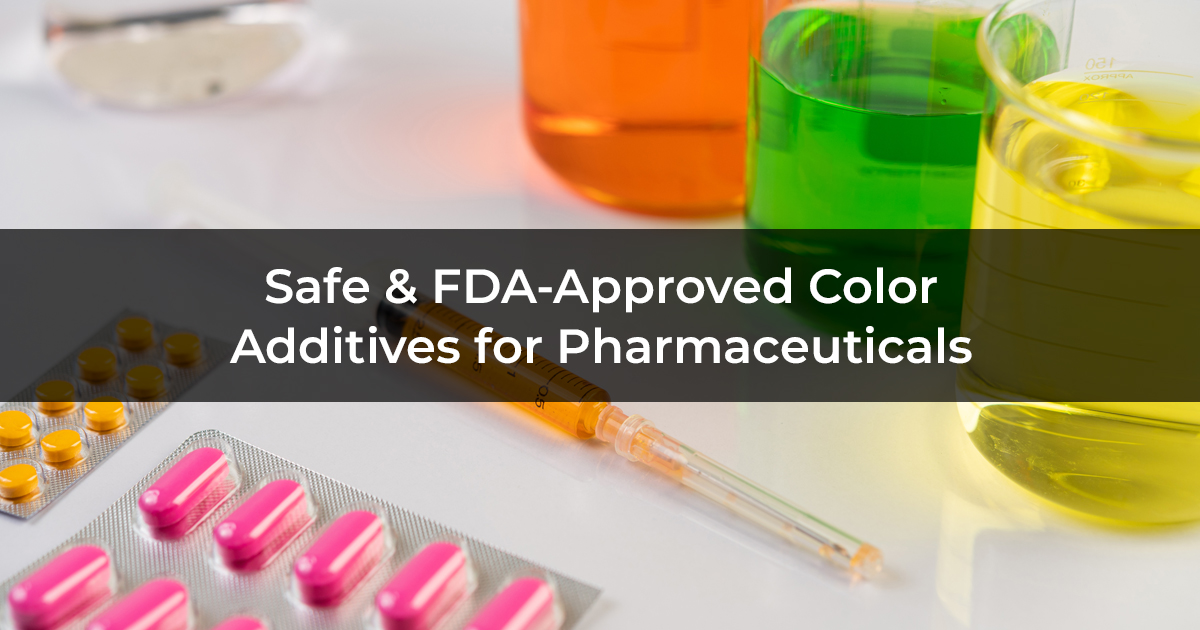
Colorants, coloring agents, or color additives are dyes, pigments, or substances that impart color to pharmaceutical dosage forms, including tablets, capsules, syrups, etc. Color additives or coloring agents in pharmaceuticals help businesses achieve the desired products with a variety of hues and shades, making the product attractive, easy to identify, and highly palatable. All right! In this blog, we will walk you through color additives used in pharmaceutical products.  In addition to enhancing visual appearance, pharmaceutical colors play a crucial role in making products easy to identify, improving patient compliance, and branding a business. These colorants or color additives can also be used in food, cosmetics, and personal care products.  If you are still wondering about color additives used in pharmaceuticals, including their pros and cons, continue reading this blog. What Are Color Additives? Color additives, coloring agents, or colorants are excipients used to improve the visual appearance of pharmaceutical products. In other words, color additives refer to a dye, pigment, or any substance that imparts color to food, pharmaceuticals, cosmetics, or the human body. Color additives can be synthetic or natural in origin, depending on how they are produced.  Synthetic color additives are produced from coal-tar or petroleum-based reactions in a

Safe & FDA-Approved Color Additives for Pharmaceuticals Read More

Enhance Your Products with High-Quality Pharmaceutical Colors
Pharmaceutical Colors

Enhance Your Products with High-Quality Pharmaceutical Colors

Pharmaceutical colors are widely used as a food color additive to impart desirable color to products, including syrup, tablets, capsules, and more. The primary purpose of adding pharmaceutical colors is to enhance the visual appearance of products and make them more appealing to consumers’ eyes. However, it is vital to make the right color selection when it comes to pharmaceutical colors, colorants, or coloring agents.  All right! In this blog post, you will learn what pharmaceutical colors are and how to choose the right one to suit your unique business needs. Businesses today need to emphasize trust, color consistency, and reliability. Choosing the right food colors for pharmaceutical dosage forms is crucial to ensuring the perfect formulation.  It’s important to emphasize colors with different shades of blue, green, and white while considering specific drug types, target audiences, and brand identity can help ensure consistency throughout the process.  Whether you’re a business or an individual entrepreneur wondering how to choose the right pharmaceutical colors or colorants for pharmaceutical dosage forms, continue reading this blog further.  What Are Pharmaceutical Colors? Pharmaceutical colors, colorants, or coloring agents are color additives that provide different colors to various pharmaceutical products, including syrups, tablets, capsules, and more. White, Blue, Green,

Enhance Your Products with High-Quality Pharmaceutical Colors Read More

What Are Plastic Colorants and Their Importance?
Pharmaceutical Colors

What Are Plastic Colorants and Their Importance?

Plastic colorants or plastic dyes refer to chemical compounds used to color different plastic products. These compounds are in the form of dyes and pigments that have properties to produce various colors and hues more efficiently. In plastic colorants, colorant types are decided based on polymeric resin to color plastic products. This blog will discuss everything you need to know about plastic colorants or plastic dyes for your business. Appearance is the first impression when it comes to purchasing a product. Plastics get their unique appearance when choosing the right food colors, which make them visually appealing and distinct. The use of a wide range of colors can help plastic manufacturers differentiate their products in an overcrowded market. There are several ways to make a lasting impression on consumers with color, including packaging, automotive components, and even packaging for consumer goods. Generally, polystyrene, polycarbonate, and acrylic polymers are used for dyes in plastic colorant formulation. Pigments work best with polyolefins when used in colorant applications. Talking about plastic colorant usages, they are generally applied to knead colorants into plastics to give them a desired color.  If you’re still wondering about the various applications of plastic colorants, their roles, applications, and types, then this

What Are Plastic Colorants and Their Importance? Read More

Why Coloring Agents Are Added to Medicines: Benefits & Risks
Pharmaceutical Colors

Why Coloring Agents Are Added to Medicines: Benefits & Risks

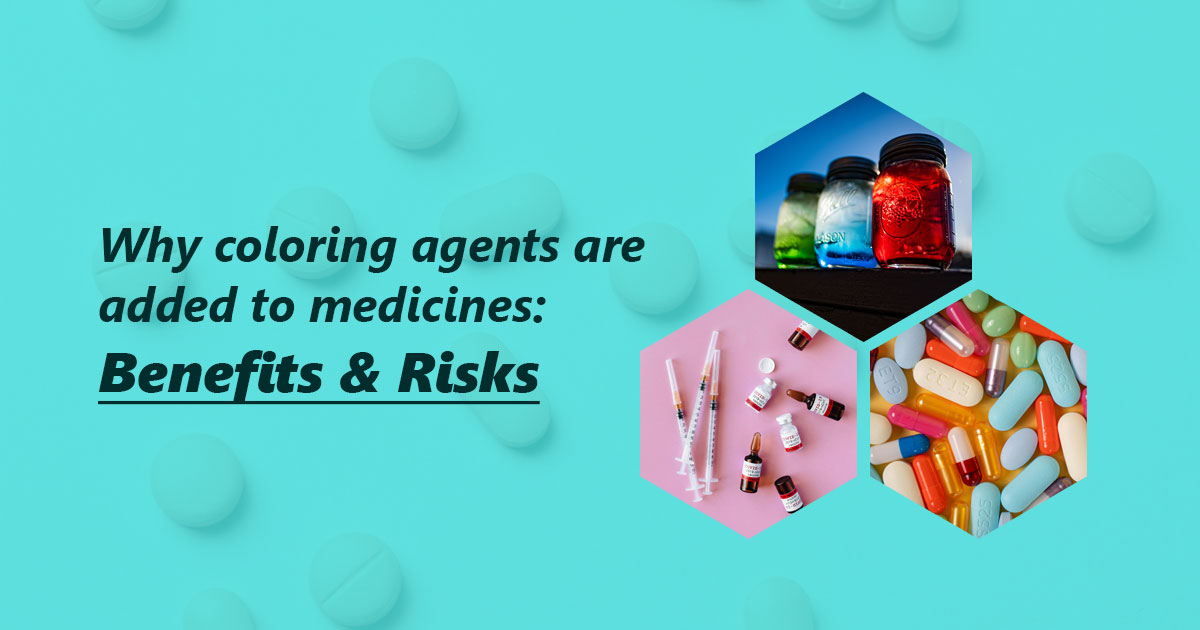
Pharmaceutics is one of the most important industries where each component is chosen with keen attention to detail. Pharmaceutical industries need to follow the guidelines for color-coding medicines to ensure safety and drug efficacy. In this blog post, you will learn why coloring agents are added to medicines and how they are becoming more popular in the pharmaceutical industry. Government authorities have issued some guidelines to combat drug counterfeiting and the use of harmful colors. Blue, green, red, white, and brown are some of the most commonly used coloring agents in pharmaceuticals that are popular worldwide. Synthetic and natural ingredients are used to create these colors.  A lot of considerations need to be taken into account when it comes to pharmaceutical color measurement cause drugs require color formulation. It has been proven that colors have psychological effects that help accelerate the healing process. Moreover, in cases of pediatrics, color is often combined with flavor to make ingesting drugs easier.  The appearance of the food has a natural relationship with the taste in such cases. Pharmaceutical dyes must be applied with a great deal of consistency, which is accomplished through color measurement and control. If you are wondering what are pharmaceutical colors and why colors

Why Coloring Agents Are Added to Medicines: Benefits & Risks Read More

Scroll to Top