Introduction
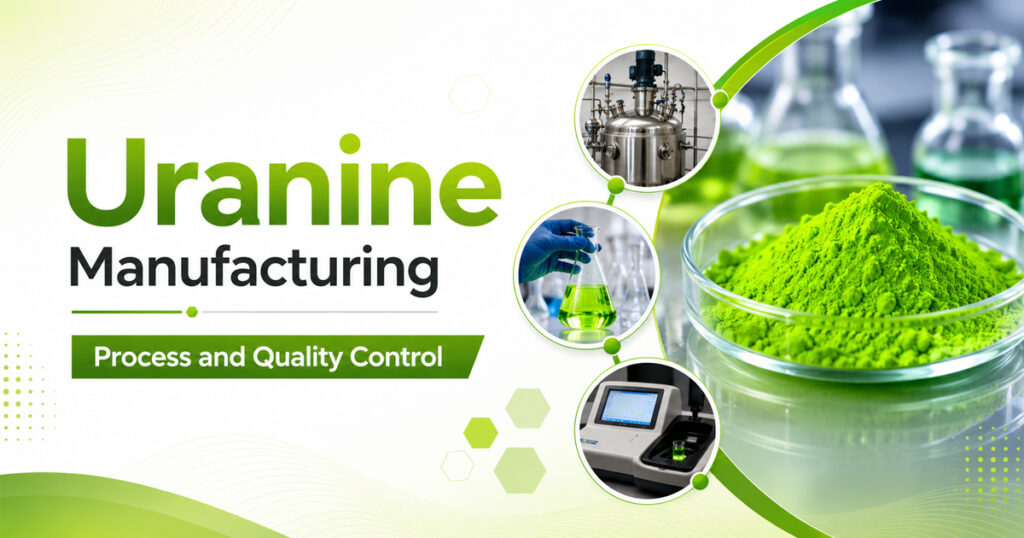
Uranine, also known as sodium fluorescein, is a bright yellow-green fluorescent dye used across multiple industries. It is widely used in water tracing, leak detection, medical diagnostics, laboratory research, and industrial testing because of its high visibility and excellent fluorescent properties.
For manufacturers and industrial buyers, product quality is just as important as performance. A small variation in purity, particle size, or fluorescence can affect the final application. This is why experienced dyestuff manufacturers invest heavily in quality control throughout the production process.
In this guide, we explain how uranine is manufactured, the quality checks performed during production, and what buyers should consider when choosing a reliable supplier.
What Is Uranine?
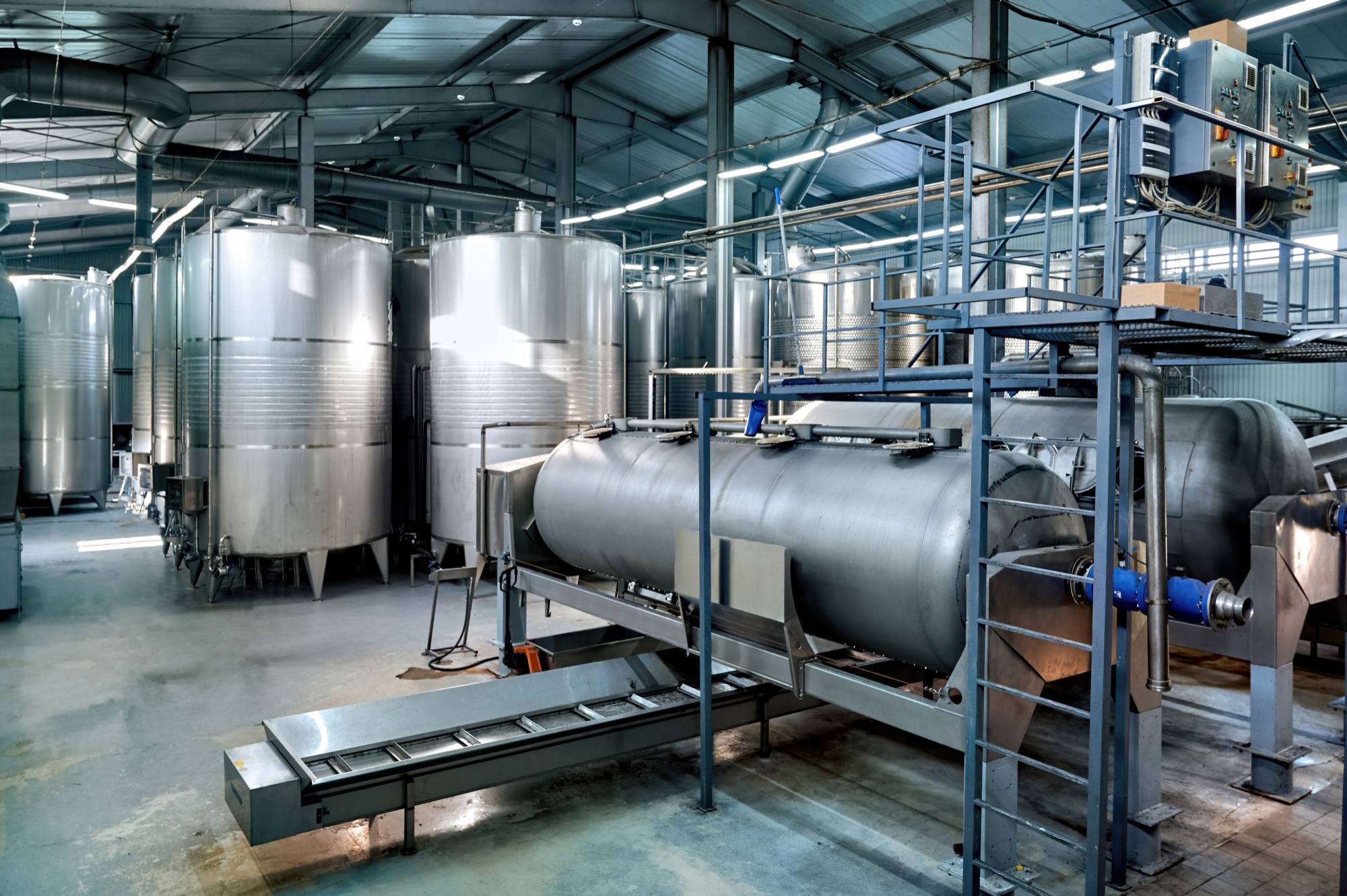
Uranine is the sodium salt of fluorescein. It dissolves easily in water and produces an intense green fluorescence when exposed to ultraviolet or blue light.
Common applications include:
- Water flow tracing
- Leak detection
- Environmental monitoring
- Medical diagnostics
- Laboratory research
- Industrial inspection
- Hydraulic testing
Its excellent water solubility and strong fluorescence make it one of the most commonly used fluorescent tracer dyes.
Uranine Manufacturing Process
The exact manufacturing process varies among manufacturers, and many production details are proprietary. However, reputable dyes manufacturers in India generally follow a controlled production workflow to ensure consistent quality.
1. Raw Material Selection
The process begins with carefully selected raw materials that meet predefined quality standards.
Manufacturers evaluate:
- Raw material purity
- Chemical consistency
- Moisture levels
- Impurity limits
- Supplier quality certifications
Using consistent raw materials helps reduce batch-to-batch variation.
2. Controlled Chemical Production
During production, the required chemical reactions are carried out under carefully monitored conditions.
Manufacturers continuously monitor:
- Temperature
- Reaction time
- Mixing conditions
- Process parameters
- Production consistency
Maintaining stable processing conditions helps achieve uniform fluorescence and product quality.
3. Purification
After production, the material undergoes purification to remove unwanted impurities and by-products.
Purification improves:
- Product purity
- Color consistency
- Fluorescence performance
- Water solubility
- Storage stability
High-purity uranine is especially important for laboratory, environmental, and medical applications.
4. Drying and Milling
The purified material is carefully dried before being processed into the required particle size.
This stage helps achieve:
- Uniform particle distribution
- Better handling
- Improved packaging
- Easier dissolution
- Consistent product performance
Particle size control is important for customers requiring predictable mixing and application.
5. Packaging
Finished products are packed under controlled conditions to reduce contamination and maintain product quality during storage and transportation.
Packaging typically protects against:
- Moisture
- Light exposure
- External contamination
- Physical damage
Proper packaging also supports longer shelf life.
Quality Control in Uranine Manufacturing
Quality control is an essential part of the manufacturing process, not a final inspection step.
Leading dyestuff manufacturers perform testing at multiple stages of production.
Raw Material Inspection
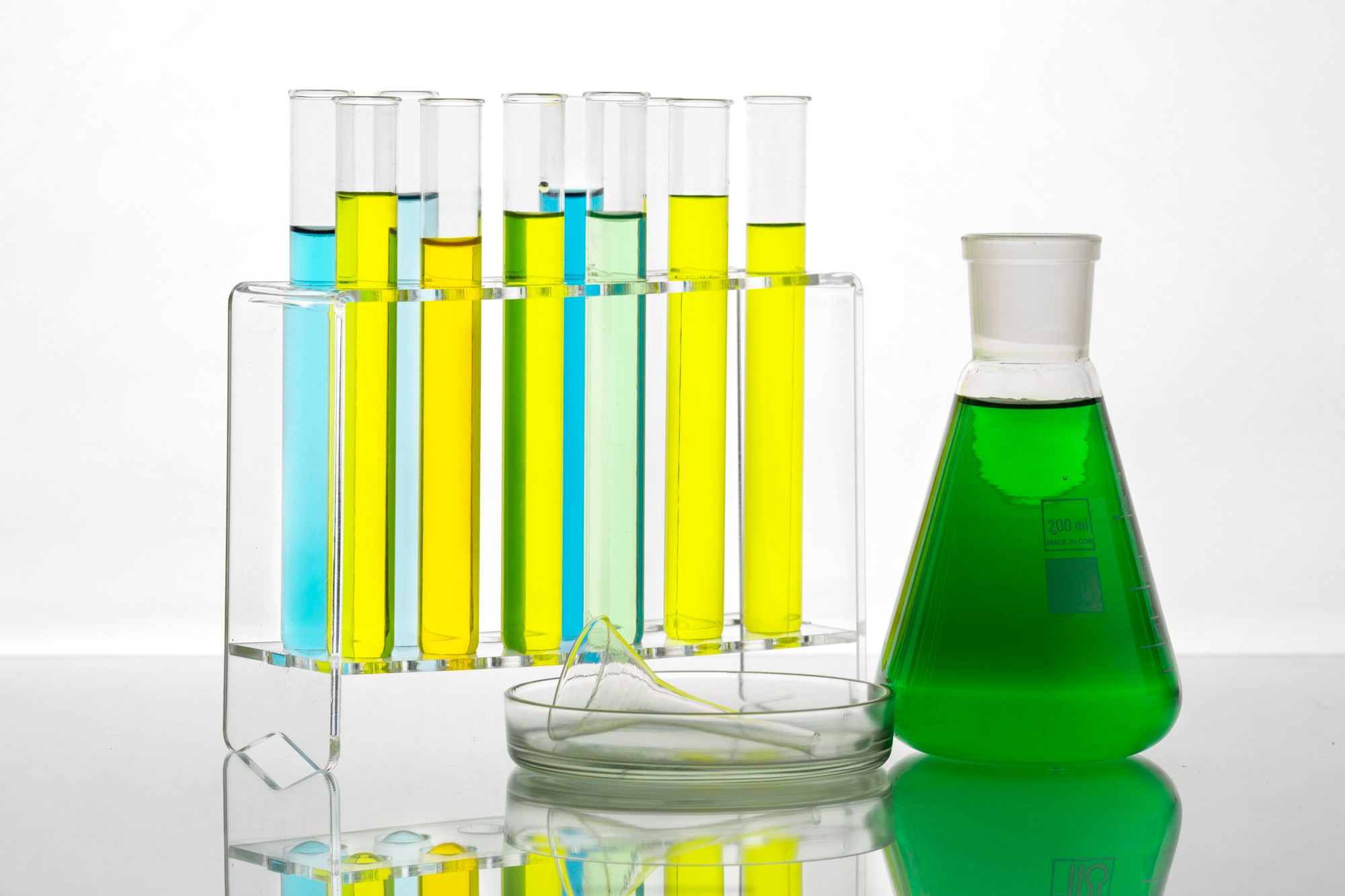
Incoming materials are verified before production begins.
Typical checks include:
- Identity verification
- Purity testing
- Moisture analysis
- Visual inspection
- Batch documentation
The dye dissolves easily in water, making it suitable for liquid formulations.
In-Process Monitoring
Production teams monitor critical parameters throughout manufacturing.
These may include:
- Reaction consistency
- Temperature control
- Mixing performance
- Process timing
- Batch traceability
Continuous monitoring helps reduce production variations.
Finished Product Testing
Before shipment, manufacturers test finished uranine to verify that it meets internal quality specifications.
Common quality checks include:
- Appearance
- Color consistency
- Water solubility
- Fluorescence intensity
- Purity
- Moisture content
- pH (where applicable)
Testing methods may vary depending on customer requirements and application.
Why Product Consistency Matters
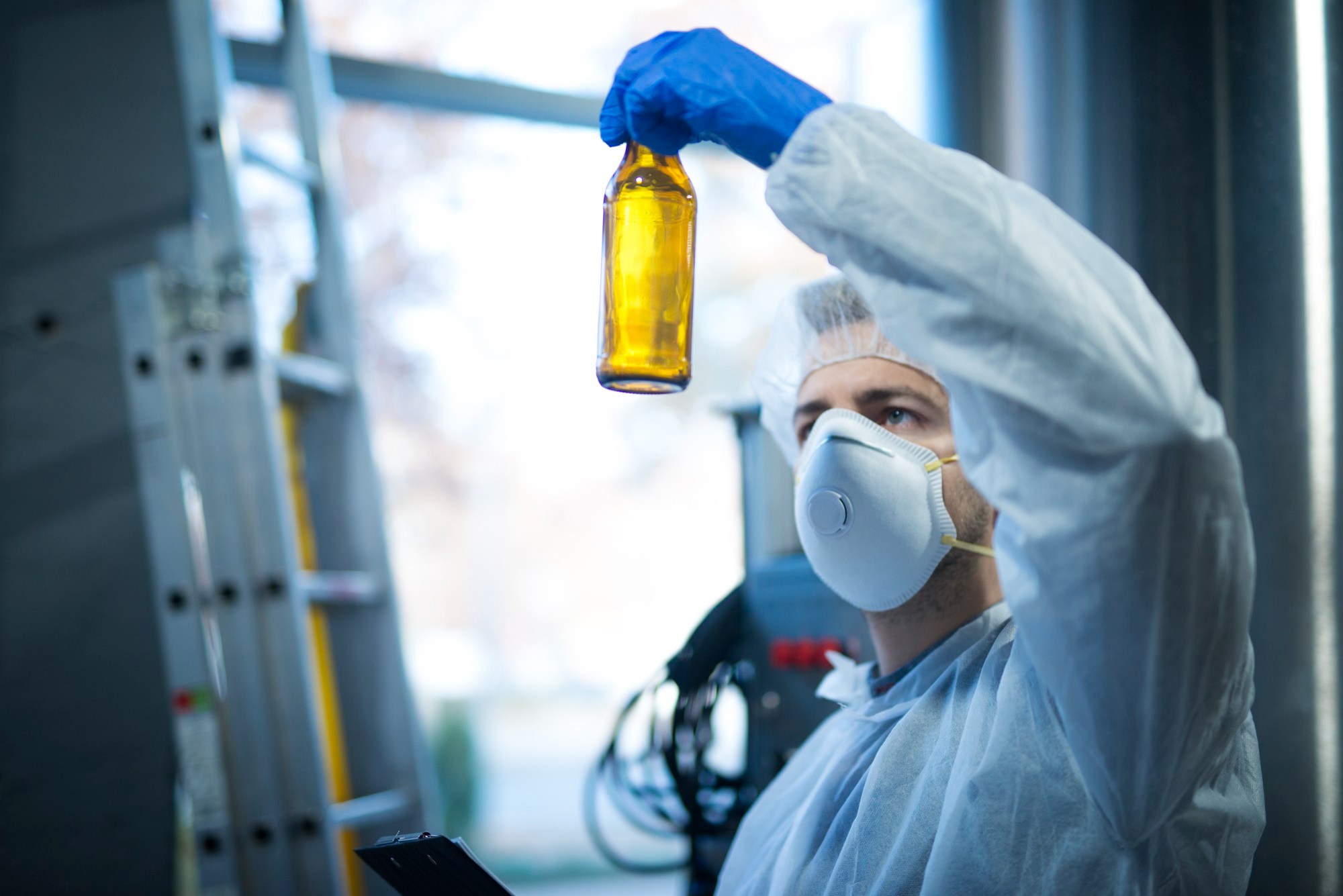
Consistent quality provides several advantages for industrial users.
Reliable uranine helps support:
- Repeatable test results
- Accurate leak detection
- Reliable water tracing
- Better production efficiency
- Reduced material waste
- Consistent application performance
Even small variations in fluorescent dyes may affect sensitive industrial or laboratory applications.
How to Choose a Reliable Uranine Manufacturer
Not every supplier follows the same quality standards.
When selecting a manufacturer, buyers should consider:
- Consistent manufacturing practices
- Documented quality control procedures
- Batch traceability
- Reliable technical support
- Stable supply capability
- Custom packaging options
- Industry experience
Many established dyes manufacturers in India also provide technical documentation and quality certificates based on customer requirements.
Industries That Use Uranine
Because of its unique fluorescent properties, uranine is used in many sectors.
These include:
- Environmental monitoring
- Water treatment
- Municipal utilities
- Pharmaceutical research
- Universities
- Chemical laboratories
- Industrial maintenance
- Engineering services
Its versatility continues to make it one of the most widely used fluorescent tracer dyes.
Best Practices for Storage
Proper storage helps maintain product quality.
Recommended practices include:
- Store in a cool, dry place.
- Keep containers tightly sealed.
- Protect from direct sunlight.
- Prevent moisture exposure.
- Follow manufacturer storage guidelines.
Proper handling helps preserve fluorescence and product stability.
Conclusion
The performance of uranine depends not only on its chemical composition but also on how consistently it is manufactured and tested. From raw material selection to purification, drying, packaging, and quality inspection, every stage plays an important role in delivering reliable performance.
Working with experienced dyestuff manufacturers helps ensure consistent quality, dependable supply, and products that meet industrial requirements. Whether the application involves water tracing, laboratory testing, or industrial inspection, choosing a manufacturer with strong quality control processes can improve operational reliability and long-term performance.
Looking for a trusted supplier of high-quality uranine and specialty dyes?
Partner with an experienced manufacturer that focuses on consistent quality, reliable production, and dependable customer support. Contact our team today to discuss your application requirements and product specifications.
FAQs
Uranine is widely used for water tracing, leak detection, environmental monitoring, laboratory research, industrial testing, and certain medical diagnostic applications.
Quality control helps ensure consistent purity, fluorescence, solubility, and batch-to-batch performance, which are critical for reliable results.
Reputable dyestuff manufacturers perform raw material inspections, monitor production parameters, test finished products, maintain batch records, and follow documented quality procedures.
Many dyes manufacturers in India offer broad manufacturing capabilities, technical expertise, quality-focused production, and supply products to domestic and international markets.
Store uranine in sealed containers in a cool, dry place away from direct sunlight and moisture to help maintain product quality.