
Introduction
Fluorescein is a synthetic fluorescent dye known for its bright yellow-green fluorescence under suitable lighting conditions. It belongs to the xanthene dye family and is used in analytical chemistry, laboratory testing, microscopy, and select industrial applications that require fluorescence detection.
Also identified as Solvent Yellow 94, Fluorescein is available in different chemical forms and grades. Its performance depends on factors such as purity, solubility, pH, concentration, and the conditions in which it is used.
For manufacturers, distributors, and industrial buyers, understanding these properties is important before selecting a suitable grade. This guide covers Fluorescein’s chemical identity, applications, product specifications, quality requirements, and sourcing considerations.

What Is Fluorescein (Solvent Yellow 94)?
Fluorescein is an organic synthetic dye with the molecular formula C20H12O5 and a molecular weight of approximately 332.31 g/mol. Its CAS number is 2321-07-5.
It is generally supplied as a yellow powder or orange-red crystalline material. One of its main characteristics is its strong yellow-green fluorescence under suitable light, particularly in alkaline solutions.
Key chemical identification details:
Chemical nameFluoresceinCommon nameSolvent Yellow 94CAS number2321-07-5Molecular formulaC20H12O5Molecular weight332.31 g/molChemical familyXanthene dyesAppearanceYellow powder or orange-red crystalsWater solubilityInsoluble in waterSolubilitySoluble in dilute aqueous bases
One important distinction is between Fluorescein and Sodium Fluorescein. Sodium Fluorescein has CAS number 518-47-8 and is also known as Acid Yellow 73. It has different solubility characteristics and should not be treated as an interchangeable product.
CID 16850 – PubChem+2
Industrial and Technical Applications of Fluorescein
Fluorescein is valued for its fluorescence and ability to produce a visible response under suitable testing conditions. Its applications depend on the chemical form, grade, and formulation requirements.
Analytical Chemistry and Laboratory Testing
Fluorescein is used in analytical chemistry as a fluorescent indicator and laboratory reagent. It can support testing procedures where a visible fluorescence response helps identify or monitor specific conditions.
Microscopy and Scientific Research
In microscopy and laboratory research, Fluorescein is used in fluorescence-based procedures. Its optical properties make it useful for observing and studying selected samples under appropriate laboratory conditions.
Water Tracing and Leak Detection
Fluorescein-based dyes are used in water tracing, flow studies, and leak detection. Their fluorescence helps identify dye movement and track water pathways.
However, Sodium Fluorescein is commonly used for water-tracing applications. Buyers should confirm whether the free-acid form, Solvent Yellow 94, suits their intended system before purchasing.
Forensic and Detection Applications
Fluorescein has applications in forensic examination and detection work. Its fluorescent properties can help reveal traces or support specific investigative procedures under controlled conditions.
Specialty Industrial Formulations
Selected industrial research and specialty formulations may use Fluorescein where its fluorescence is required. However, evaluate compatibility before selecting it for a particular formulation.
It is important not to assume that every application of Sodium Fluorescein or other xanthene dyes also applies to Solvent Yellow 94.
CID 16850 – PubChem+1
Important Product Specifications and Quality Parameters
Product specifications matter when purchasing Fluorescein for laboratory, research, or industrial use. Buyers should evaluate the material against the technical requirements of their application.
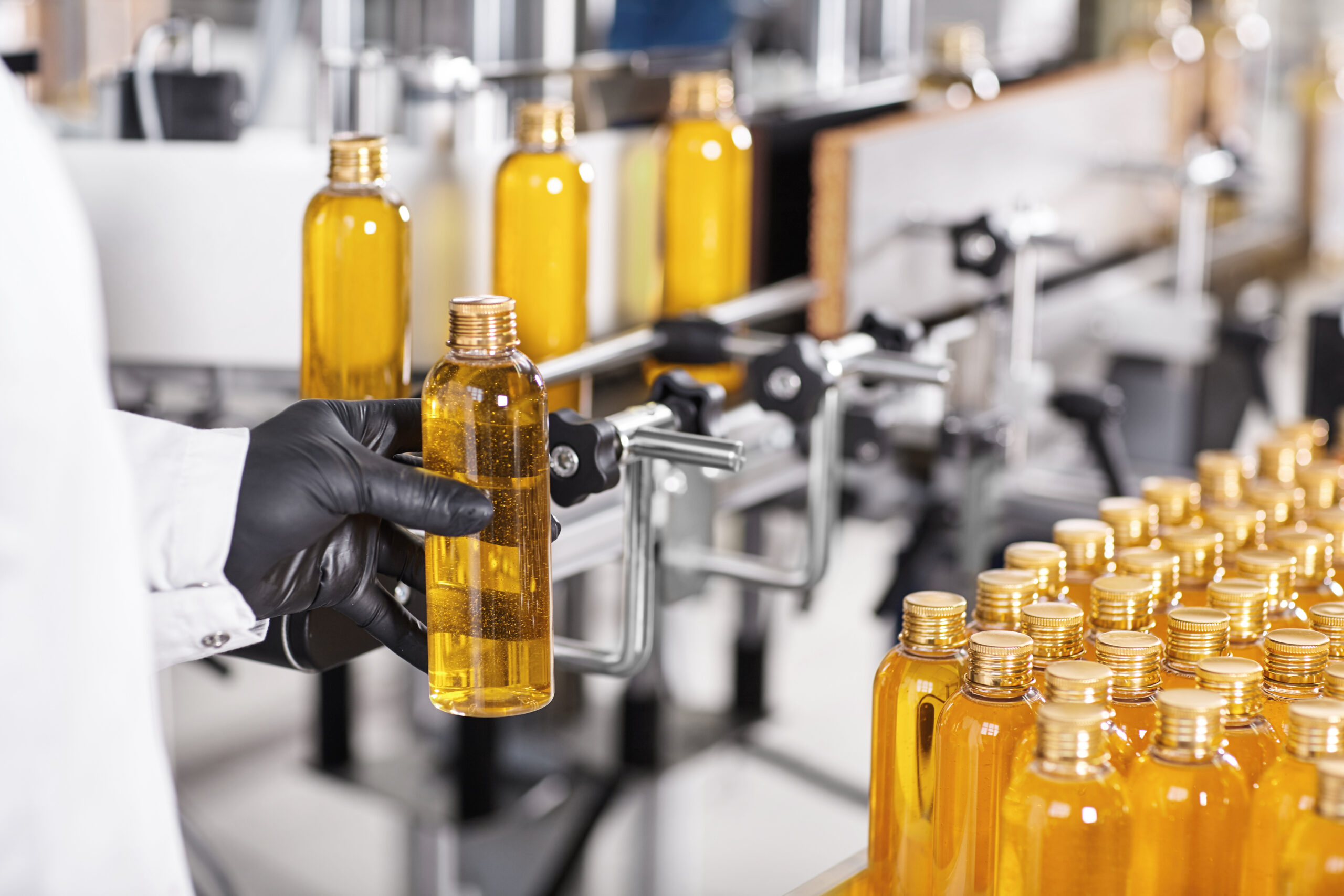
The following parameters should be checked:
PurityConfirm the declared assay and test methodAppearanceCheck color, physical form, and visible impuritiesIdentificationConfirm chemical identity through suitable testingSolubilityVerify behavior in the intended solvent or mediumMoisture contentCheck the moisture level against agreed limitspH behaviorEvaluate fluorescence and performance under required conditionsBatch consistencyCompare results across production batchesPackagingCheck moisture protection and suitable storage conditions
These are recommended procurement checks, not a universal specification sheet. Exact purity, moisture limits, and acceptance values must come from the manufacturer’s approved product specification.
A Certificate of Analysis (COA) should accompany the supplied batch. Buyers should also request a Technical Data Sheet (TDS) and Safety Data Sheet (SDS) to understand the material’s properties, handling requirements, and storage recommendations.
Factors Affecting Fluorescein Performance
Before using Fluorescein in an industrial or laboratory process, buyers should consider the following factors:
- pH conditions: Fluorescence behavior can change with pH. Test the intended working conditions before production.
- Light exposure: Prolonged light exposure may affect material stability.
- Solubility: The free-acid form is insoluble in water, which can limit its use in water-based formulations.
- Chemical compatibility: Interactions with other ingredients may affect performance.
- Concentration: The required concentration depends on the application and desired fluorescence response.
Testing these factors during development can reduce formulation problems and help maintain consistent results.
NOAA+1
Sourcing Fluorescein from Reliable Dye Manufacturers in India
Selecting the right supplier is an important part of purchasing synthetic dyes. Industrial buyers should look beyond product availability and compare technical documentation, batch quality, and supply capabilities.
When evaluating dyes manufacturers in India, consider the following:
1. Product identification: Confirm the supplier offers Fluorescein (CAS 2321-07-5), not Sodium Fluorescein.
2. Technical documentation: Request a COA, TDS, and SDS before confirming the order.
3. Quality control: Ask about identity testing, assay methods, and batch-to-batch quality checks.
4. Application suitability: Discuss the intended use and required performance with the technical team.
5. Packaging and storage: Confirm packaging options and recommendations for protecting the product from moisture and prolonged light exposure.
6. Supply consistency: Evaluate production capacity, availability, lead times, and export documentation.
Businesses searching for a D&C dyes manufacturer or FD&C dyes manufacturer should also verify the regulatory status of the exact chemical and grade. These terms are not interchangeable marketing labels.
In the United States, the FDA lists Fluorescein (CAS 2321-07-5) as D&C Yellow No. 7, with certification required and use restricted to externally applied drugs and externally applied cosmetics. Do not promote it as an FDA-approved food color.
hfpappexternal.fda.gov+1
Why Product Verification Matters Before Bulk Purchasing
Bulk purchasing without checking the chemical identity and technical specifications can create avoidable problems.
For example, selecting Fluorescein free acid when a process requires water-soluble Sodium Fluorescein may result in poor dissolution and unsuitable formulation performance.
Before placing a bulk order, buyers should:
- Confirm the CAS number and chemical form.
- Review the latest batch-specific COA.
- Request a sample for application testing.
- Verify the agreed purity and acceptance limits.
- Check packaging, storage, and delivery requirements.
- Confirm the regulatory requirements of the intended market and end use.
These checks help procurement teams make informed purchasing decisions and reduce the risk of material mismatch.

Conclusion
Fluorescein (Solvent Yellow 94) is a synthetic xanthene dye valued for its strong fluorescence and its use in laboratory testing, microscopy, analytical chemistry, and select detection processes.
For industrial buyers, choosing the correct chemical form is just as important as evaluating purity and product quality. Understanding the difference between Fluorescein and Sodium Fluorescein, checking batch documentation, and testing application compatibility can help avoid sourcing and formulation issues.
Looking for a reliable synthetic dye supplier in India? Connect with Hridhan Chem to discuss your product requirements, technical specifications, documentation needs, and bulk sourcing inquiries. Our team can help you evaluate suitable dye options based on your intended application.
FAQs
Fluorescein is a synthetic xanthene dye with CAS number 2321-07-5. It is known for its yellow-green fluorescence under suitable conditions and is used in laboratory testing, microscopy, and detection applications.
The CAS number of Fluorescein (Solvent Yellow 94) is 2321-07-5.
No. Fluorescein free acid is insoluble in water but dissolves in dilute aqueous bases. Sodium Fluorescein has different solubility properties.
Fluorescein is the free-acid form with CAS number 2321-07-5, while Sodium Fluorescein is its disodium salt with CAS number 518-47-8. They differ in solubility and should be selected according to application requirements.
Buyers should check chemical identity, purity, appearance, solubility, batch consistency, COA, TDS, SDS, and application suitability before placing an order.
The FDA listing for Fluorescein (D&C Yellow No. 7) does not authorize it as a food color. Its listed uses are restricted to externally applied drugs and cosmetics, subject to applicable certification requirements.
Buyers should evaluate the manufacturer’s technical documentation, quality control procedures, product specifications, batch consistency, supply capabilities, and ability to meet the requirements of the intended application.