Introduction
Color is one of the most visible parts of a cosmetic product. Whether it is lipstick, foundation, eye makeup, nail products, or other color cosmetics, the quality of the color ingredient can affect the final product’s shade, consistency, and overall performance.
This is one reason cosmetic manufacturers are paying closer attention to the quality and specifications of the dyes and pigments they purchase. However, “high-purity” should not be treated as a marketing term alone. For cosmetic applications, buyers need to look at the actual specification, permitted use, impurity profile, batch consistency, documentation, and testing behind a color ingredient.
For a cosmetic colors manufacturing company, maintaining consistent quality is therefore not simply about producing a bright shade. It requires controlled manufacturing, testing, and proper documentation.
What Are High-Purity Colorants?
High-purity colorants are dye or pigment materials manufactured and tested to meet defined quality specifications, with controlled levels of impurities and unwanted substances.
Depending on the product and intended market, specifications may include:
- Color strength and shade consistency
- Assay or purity level
- Moisture content
- Insoluble matter
- Heavy metals or other specified impurities
- Microbiological requirements where applicable
- Particle size for relevant pigments
- Batch-to-batch consistency
- Applicable regulatory and technical documentation
The exact requirements depend on the chemical, cosmetic application, and market where the finished product will be sold. Therefore, a supplier should not claim that one purity specification automatically makes a colorant suitable for every cosmetic application.
Why Purity Matters in Cosmetic Manufacturing
1. Consistent Product Quality
Cosmetic manufacturers need color ingredients that perform consistently from batch to batch. Variation in the raw material can contribute to differences in shade, strength, dispersion, or processing behavior.
For products produced at scale, even small variations can create additional formulation and quality-control work.
2. Better Control Over Unwanted Impurities
The chemical identity of a dye or pigment does not tell the complete quality story. Manufacturing processes can introduce or leave behind unwanted substances.
A controlled impurity profile helps manufacturers evaluate whether a material meets their internal specifications and applicable requirements.
This is particularly important when purchasing synthetic dyes for cosmetics, where the buyer needs reliable technical information rather than relying only on a product name or shade description.
3. Easier Quality Control
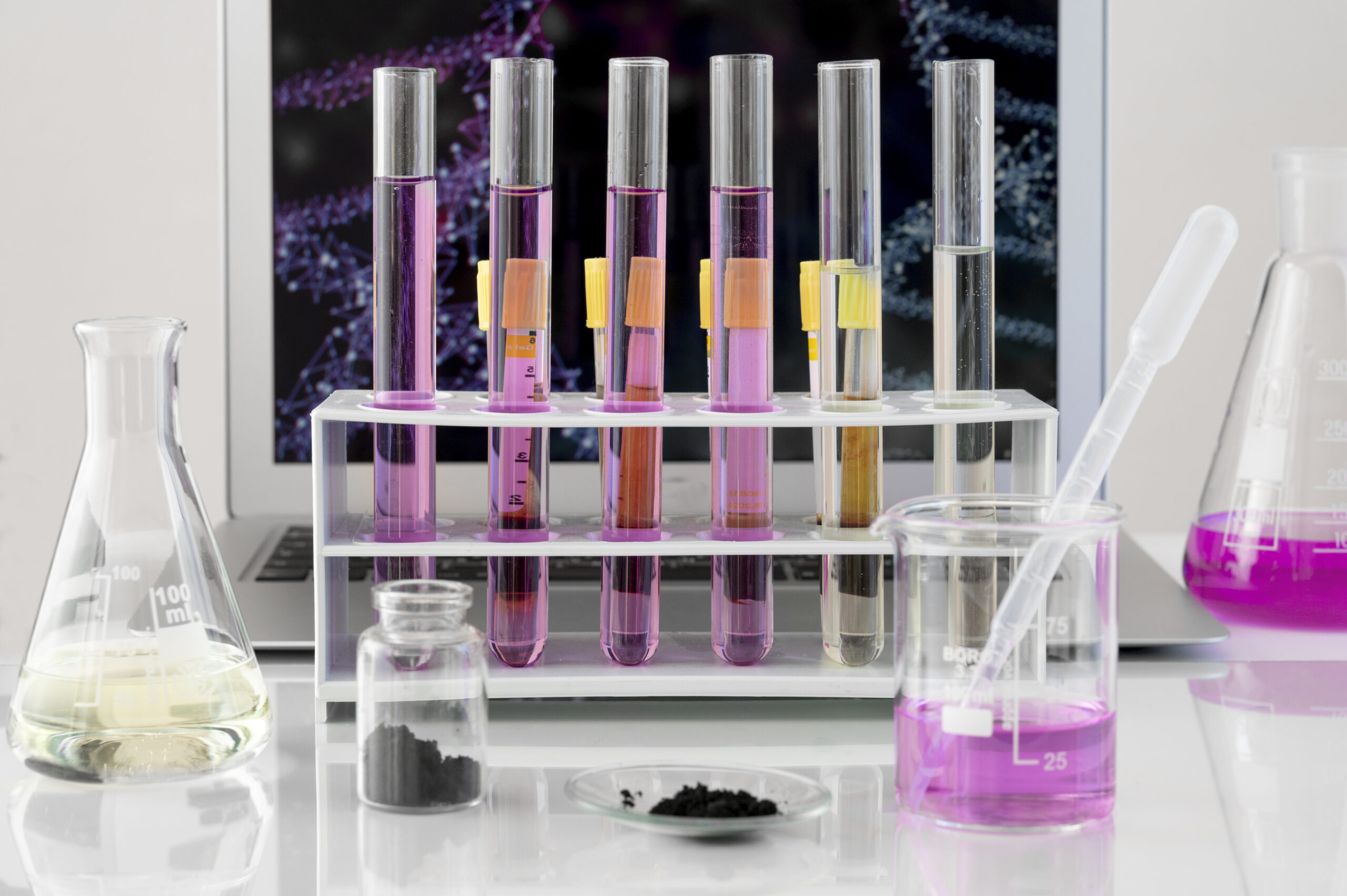
Reliable specifications make incoming raw-material testing more practical. A cosmetic manufacturer can compare supplier documentation and test results against its own quality requirements.
Depending on the material, documentation may include:
- Certificate of Analysis (CoA)
- Technical Data Sheet (TDS)
- Safety Data Sheet (SDS)
- Batch or lot information
- Applicable regulatory statements
- Test specifications and analytical results
The exact documents required should be confirmed according to the buyer’s application and destination market.
High Purity Is Not the Same as Regulatory Approval
This distinction is important.
A colorant having a high assay or low level of certain impurities does not automatically mean it is approved for use in every cosmetic product or every country.
Cosmetic color requirements can differ between markets. A color additive permitted for one application or jurisdiction may have different restrictions elsewhere.
For this reason, color cosmetics manufacturers in India supplying products to international markets should evaluate both technical quality and the regulatory status relevant to the destination market.
A responsible cosmetic color supplier should be able to provide clear product documentation and identify the intended application and applicable specifications rather than making broad claims such as “globally approved.”
What Cosmetic Manufacturers Should Check When Buying Colorants
Choosing a supplier based only on price can create problems later. A better procurement process should consider several factors.
Product Specification
Check the product identity, purity or assay, shade, physical properties, and other parameters relevant to the application.
Batch Consistency
Ask how the manufacturer controls variation between batches. Consistency is particularly important for products where a specific shade must be reproduced repeatedly.
Testing and Quality Control
Understand what tests are performed before the material is released. The testing should match the characteristics and risks relevant to the product.
Documentation
A professional supplier should provide appropriate technical and safety documentation. Buyers should review the actual documents instead of accepting general statements about quality.
Regulatory Support
Confirm whether the material is suitable for the intended cosmetic application and destination market. Regulatory responsibility ultimately depends on the specific product, jurisdiction, and supply chain.
Why This Matters for Cosmetic Color Manufacturers in India
India has an established dyes and pigments manufacturing sector, including suppliers serving cosmetic and personal-care applications. For Indian manufacturers competing in domestic and international markets, consistent quality and documentation can be important parts of supplier selection.
A cosmetic colors manufacturing company must therefore focus on more than shade development. Controlled raw materials, repeatable production, laboratory testing, and traceable batch documentation can help support reliable supply.
For buyers searching for cosmetic dyes manufacturers in India, the better question is not simply “Who offers the brightest color?” It is:
Can the supplier consistently manufacture the required material to a clearly defined specification and provide the documentation needed for the intended application?
How High-Purity Colorants Can Support Product Development
High-quality color ingredients can help cosmetic manufacturers maintain better control during formulation and production. This may be especially relevant when developing products that require repeatable shades across multiple production batches.
However, performance also depends on the complete formulation. A colorant cannot guarantee a particular finished-product result by itself. Factors such as concentration, base formulation, processing conditions, particle characteristics, dispersion, packaging, and storage can all affect the final product.
This is why cosmetic manufacturers should evaluate colorants through application-specific testing rather than relying only on laboratory purity figures.
How to Choose a Cosmetic Color Supplier
When evaluating a cosmetic pigment manufacturer or cosmetic dye supplier, consider these questions:
- Is the product specification clearly defined?
- Is batch-to-batch consistency monitored?
- Can the supplier provide a CoA for individual batches?
- Are relevant impurities tested and controlled?
- Is technical and safety documentation available?
- Can the supplier explain the intended cosmetic application?
- Can the material be evaluated against the requirements of the target market?
- Does the supplier have suitable quality-control processes?
These questions provide a more useful basis for supplier selection than price or color appearance alone.
Conclusion
The demand for reliable cosmetic color ingredients is closely linked to the need for consistent product quality, controlled specifications, and better raw-material traceability. High purity can be an important quality parameter, but it should always be considered alongside regulatory suitability, batch consistency, testing, and documentation.
For cosmetic manufacturers, the goal should not simply be to purchase a “high-purity” colorant. The goal is to source a well-characterized cosmetic color ingredient that consistently meets the specification required for its intended application and market.
Hridhan Chem manufactures synthetic dyes for a range of industrial applications. To discuss cosmetic dye requirements, product specifications, and application needs, contact Hridhan Chem to discuss your requirements with the technical team.
FAQs
High-purity colorants are dye or pigment materials manufactured to defined specifications with controlled purity and impurity levels. Their suitability depends on the intended cosmetic application and market requirements.
Purity can help manufacturers control unwanted impurities and maintain more consistent raw-material quality. It should be evaluated together with other product specifications and applicable regulatory requirements.
No. High purity does not automatically mean a colorant is permitted for every cosmetic application or in every country. Regulatory requirements must be checked for the specific market and use.
Manufacturers should review product specifications, batch consistency, testing, CoA, technical documentation, safety information, and regulatory suitability for the intended application.
Evaluate the supplier’s manufacturing controls, product specifications, testing capabilities, documentation, batch consistency, and ability to support the requirements of your intended cosmetic application and market.