Introduction
Color consistency, purity, and regulatory compliance are important when selecting synthetic dyes for cosmetic manufacturing. A color ingredient must deliver the required shade while meeting the quality and safety standards of its intended application.
Alizarine Purple is an anthraquinone-based synthetic colorant used to achieve purple shades. It is available in different chemical forms, including D&C Violet No. 2 and Ext. D&C Violet No. 2. These grades differ in their chemical identity, solubility, and specifications.
For cosmetic color manufacturers, selecting the right Alizarine Purple grade requires more than checking its appearance or price. Consider chemical identity, color strength, impurity levels, batch consistency, and regulatory approval.
This guide explains the important Alizarine Purple quality parameters and what cosmetic manufacturers should evaluate when sourcing this colorant from a reliable D&C dyes manufacturer.
1. Understand the Chemical Identity Before Selection
The first step in selecting Alizarine Purple is confirming its exact chemical identity.
Two important grades are:
Parameter | D&C Violet No. 2 | Ext. D&C Violet No. 2 |
CI number | 60725 | 60730 |
CAS number | 81-48-1 | 4430-18-6 |
Chemical family | Anthraquinone | Anthraquinone |
Common identity | Solvent Violet 13 | Acid Violet 43 |
General character | Oil-soluble colorant | Water-soluble colorant |
These grades are not interchangeable. Their chemical structures and solubility characteristics affect performance in cosmetic formulations.
Manufacturers should verify the product name, CAS number, Color Index number, and INCI identification against the supplier’s technical documentation.
Important: Do not assume Alizarine Purple WS refers to either grade without checking the product specification.
2. Important Quality Parameters of Alizarine Purple
Quality testing helps cosmetic manufacturers determine whether a synthetic dye meets the required specifications.
The following parameters deserve attention:
Chemical Identity and Purity
Chemical identity confirms that the supplied material is the correct colorant. Purity testing helps identify unwanted substances and manufacturing-related impurities.
For example, the US FDA specifies identity and purity requirements for D&C Violet No. 2, including limits for p-toluidine, subsidiary colors, and certain anthraquinone-related impurities.
Color Strength and Shade Consistency
Color strength determines how much dye is required to achieve a target shade. A consistent color strength helps manufacturers maintain the same appearance across production batches.
UV-Visible spectroscopy can help evaluate absorption characteristics and compare color strength against an approved reference standard.
Moisture and Volatile Matter
Excess moisture or volatile matter can affect powder handling, storage stability, and the actual dye content of a supplied material.
Manufacturers should check the applicable loss-on-drying or volatile-matter specification.
Solubility and Dispersion
Solubility is particularly important when selecting a cosmetic dye.
The selected grade should be compatible with the formulation system. Oil-soluble and water-soluble colorants behave differently during formulation and should not be substituted without compatibility testing.
Heavy Metal Impurities
Evaluate lead, arsenic, and mercury according to applicable regulatory specifications and product requirements.
Testing helps reduce the risk of supplying cosmetic colorants with unacceptable levels of metallic impurities.
3. Testing Methods Used for Cosmetic Dye Quality Control
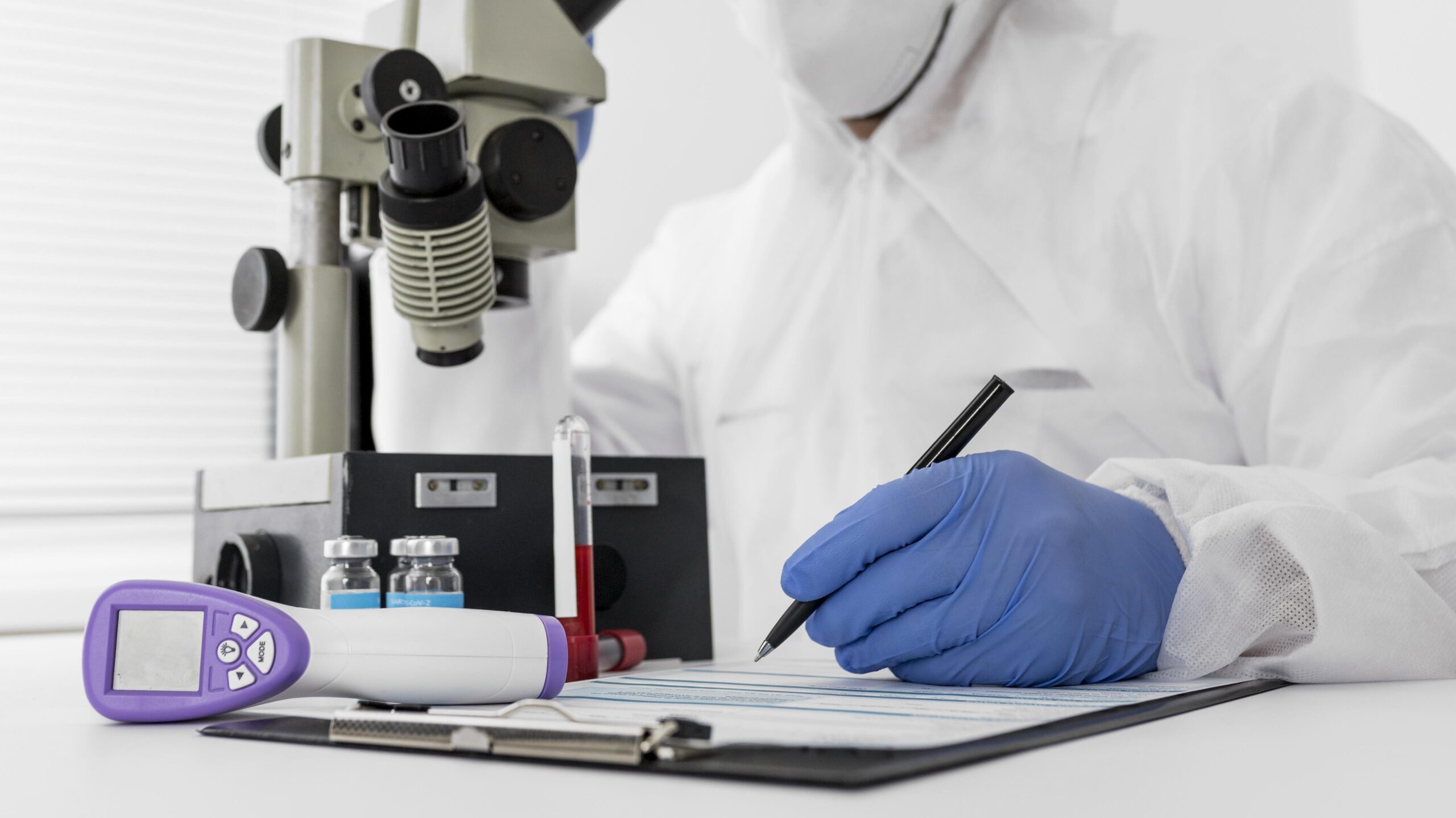
A reliable cosmetic dye manufacturer should maintain a documented quality-control process.
Common testing methods include:
- UV-Visible Spectroscopy: Evaluates absorption characteristics and supports color strength comparison.
- HPLC: Helps identify and quantify specific chemical components and impurities when a suitable validated method is available.
- Moisture Testing: Measures moisture or volatile matter in the supplied dye.
- Heavy Metal Analysis: Evaluates relevant metallic impurities using suitable analytical techniques.
- Solubility Testing: Checks the dye’s behavior in the intended solvent system.
- Visual Shade Assessment: Compares the supplied batch with an approved reference sample under controlled conditions.
Not every test is required for every grade. The testing plan should follow the applicable official specifications, validated analytical methods, and customer requirements.
4. Regulatory Compliance for Cosmetic Color Manufacturers
Regulatory approval is one of the most important selection criteria for cosmetic dyes.
In the United States, D&C Violet No. 2 and Ext. D&C Violet No. 2 and Ext. D&C Violet No. 2 have separate listings under FDA regulations.
- D&C Violet No. 2 is permitted for externally applied cosmetics under 21 CFR 74.2602.
- Ext. D&C Violet No. 2 is permitted for externally applied cosmetics under 21 CFR 74.2602a.
- Both color additives are subject to batch certification requirements.
The FDA does not list these colorants for general cosmetic use or eye-area use in its cosmetic color additive table.
For manufacturers exporting cosmetic dyes, you must also check approval requirements in the destination market. Permission in the United States does not automatically mean approval in India, the European Union, or other countries.
Always review the latest applicable color additive regulations before approving a dye for a specific cosmetic application.
5. How to Select a Reliable Alizarine Purple Supplier
Choosing the right supplier is important for maintaining consistent cosmetic product quality.
Consider these factors before purchasing:
1.Verified Product Identity: Confirm the CI number, CAS number, chemical name, and intended grade.
2.Certificate of Analysis (COA): Request batch-specific results covering purity, color strength, moisture, and relevant impurities.
3.Technical Data Sheet (TDS): Review solubility, appearance, specifications, and recommended handling conditions.
4.Regulatory Documentation: Check applicable certifications, color additive status, and batch certification records.
5.Batch-to-Batch Consistency: Ask for comparative shade and analytical data from different production batches.
6.Manufacturing and Quality Systems: Evaluate the supplier’s testing facilities, traceability, and documented quality-control procedures.
Cosmetic manufacturers should also request a representative sample and conduct formulation compatibility testing before approving a supplier for regular procurement.
6. Why Quality Matters When Sourcing D&C Dyes from India
India has an established synthetic dye and pigment manufacturing industry that supplies colorants to different industrial sectors and international markets.
However, selecting a supplier should not depend on manufacturing location alone. Buyers should assess product-specific capabilities, analytical testing, documentation, and regulatory knowledge.
When evaluating dyes manufacturers in India, cosmetic companies should prioritize suppliers that can provide consistent quality, transparent specifications, and batch-level documentation.
A dependable D&C dyes manufacturer should understand the difference between individual colorant grades and provide the correct product for the customer’s intended formulation and target market.
Conclusion
Choose Alizarine Purple Based on Quality, Not Just Price
Selecting Alizarine Purple for cosmetic manufacturing requires careful evaluation of chemical identity, purity, color strength, solubility, impurity levels, and regulatory compliance.
A suitable supplier should provide reliable technical documentation, batch-specific COAs, and consistent product quality. Most importantly, manufacturers must confirm that the selected grade is permitted for the intended cosmetic application in the destination market.
At Hridhan Chem, we understand the importance of quality and consistency in synthetic dyes and color solutions. Connect with our team to discuss your cosmetic dye requirements, product specifications, and sourcing needs.
Looking for a reliable synthetic dye supplier in India? Contact Hridhan Chem to discuss your color requirements and product specifications.
FAQs
Alizarine Purple is a synthetic purple colorant associated with cosmetic and personal care applications. Its suitability depends on the exact chemical grade, solubility, and regulatory approval.
Important parameters include chemical identity, purity, color strength, shade consistency, moisture content, solubility, heavy metal impurities, and subsidiary color levels.
D&C Violet No. 2 has CI 60725 and CAS 81-48-1, while Ext. D&C Violet No. 2 has CI 60730 and CAS 4430-18-6. They have different chemical structures and solubility characteristics.
D&C Violet No. 2 and Ext. D&C Violet No. 2 are listed by the FDA for externally applied cosmetics, subject to their respective specifications and batch certification requirements.
Buyers should request a Certificate of Analysis (COA), Technical Data Sheet (TDS), Safety Data Sheet (SDS), product identity details, and applicable regulatory documentation.
They should establish approved reference standards, perform batch-wise quality testing, monitor color strength, verify impurities, and maintain proper storage and handling conditions.