Introduction
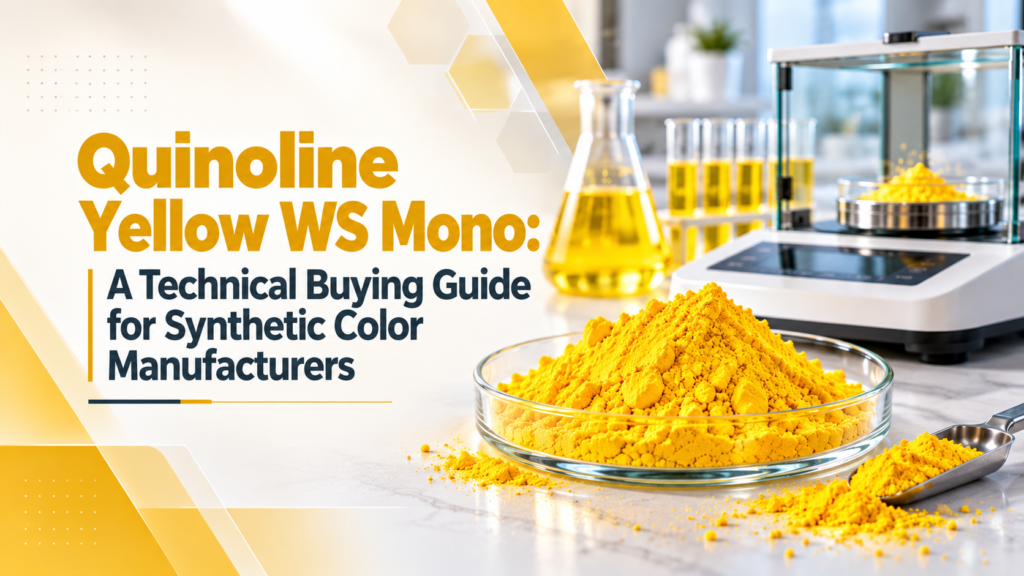
Choosing the right synthetic dye is important for manufacturers who need consistent color, reliable quality, and suitable performance in their formulations. Quinoline Yellow WS Mono is a water-soluble yellow synthetic dye used in applications that require a clear yellow shade and controlled color performance.
Also known in the color industry as Quinoline Yellow, Acid Yellow 3, and D&C Yellow No. 10 in the relevant US regulatory context, this dye belongs to the quinophthalone family. Its properties make it relevant to cosmetic and pharmaceutical color formulations.
However, not every Quinoline Yellow grade has the same composition or regulatory status. Before purchasing, manufacturers should evaluate its chemical identity, purity, solubility, and intended application.
This technical buying guide explains the important properties, applications, quality checks, and supplier selection factors to consider when sourcing Quinoline Yellow WS Mono.

1. What Is Quinoline Yellow WS Mono?
Quinoline Yellow is a synthetic yellow dye produced by sulfonating a quinophthalone-based compound. Sulfonation introduces water-soluble groups into the dye structure, making it suitable for water-based formulations.
The dye is available in different sulfonation profiles. The monosulfonated and disulfonated components are important because they affect the product’s chemical identity and regulatory specifications.
In the United States, the relevant regulated color additive is D&C Yellow No. 10. Its FDA identity specification requires a mixture containing at least 75% monosulfonated components.
Key product identification details:
- Chemical family: Quinophthalone
- Color Index: 47005
- Common identity: Acid Yellow 3
- US regulatory designation: D&C Yellow No. 10
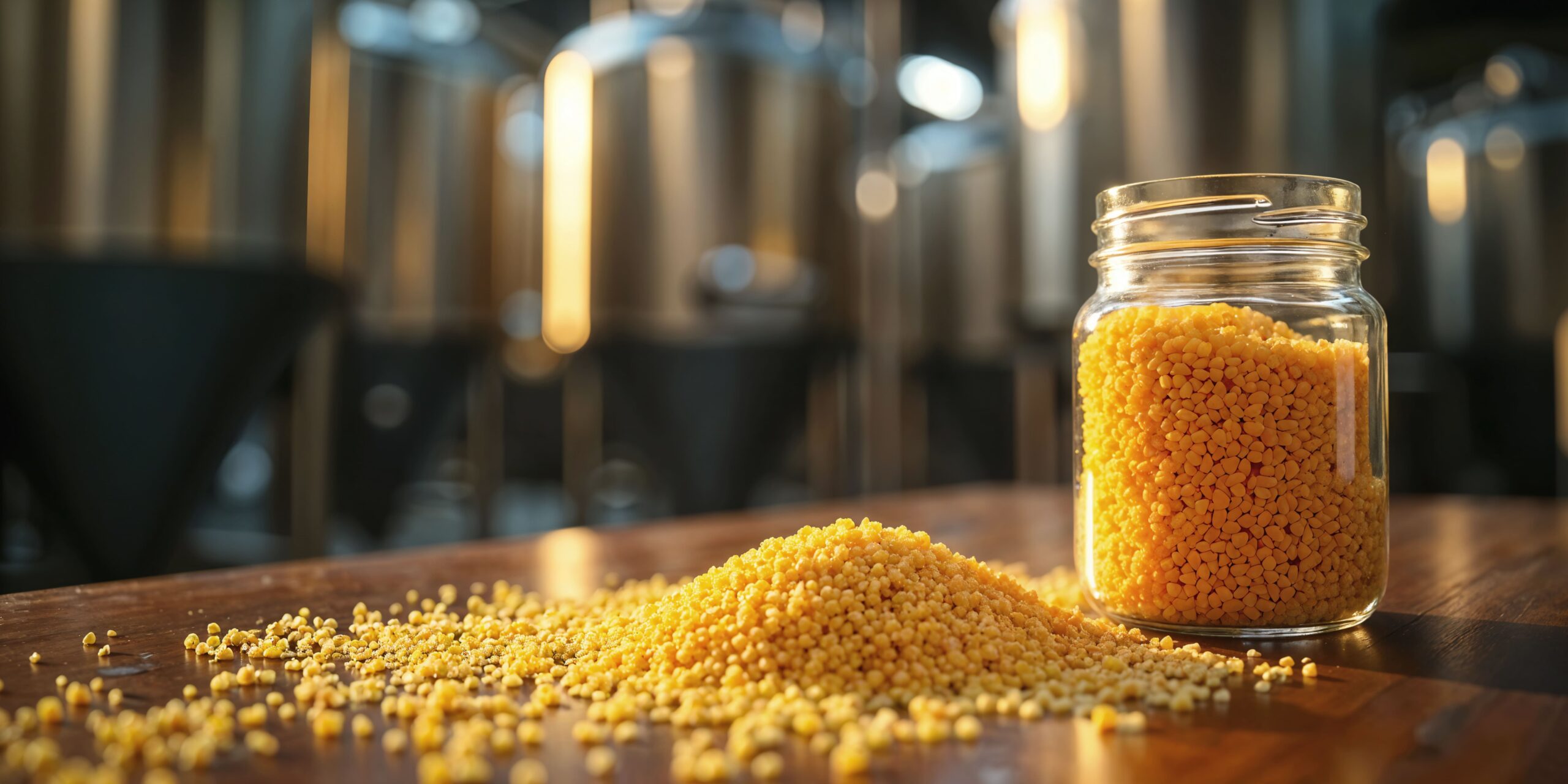
- Physical form: Yellow powder or granules
- Solubility: Water-soluble
Buyers should confirm the exact CAS number, chemical composition, and grade against the supplier’s technical documents rather than relying on the trade name alone.
2. Major Applications of Quinoline Yellow WS Mono
Cosmetic Manufacturing
Cosmetics are an important application area for suitable Quinoline Yellow grades. The dye provides yellow coloration in compatible cosmetic formulations where permitted.
Potential formulation areas include:
- Personal care and cosmetic preparations.
- Hair care products.
- External cosmetic formulations.
- Other compatible products requiring yellow coloration.
For US cosmetic applications, D&C Yellow No. 10 is listed for general cosmetic use under current good manufacturing practice. It is not permitted for every possible application, so manufacturers must check the applicable restrictions before using it.
Pharmaceutical Manufacturing
Quinoline Yellow D&C Yellow No. 10 is also listed for coloring drugs in the United States, subject to applicable FDA requirements.
Pharmaceutical manufacturers may consider it for suitable formulations that require a yellow appearance. Its use must meet the relevant identity, purity, labeling, and certification requirements.
Food Color Applications: An Important Regulatory Difference
Quinoline Yellow is known as E104 in certain international food-color regulations. However, this does not mean that it can be used in US food products.
The US FDA does not list D&C Yellow No. 10 as an approved color additive for human food. Manufacturers supplying food colors must therefore distinguish between food-grade Quinoline Yellow intended for markets where it is authorized and D&C Yellow No. 10 intended for permitted US drug and cosmetic applications.
A supplier’s general claim that a product is a food dye is not sufficient evidence of regulatory approval.
3. Important Technical Specifications to Check
Before purchasing Quinoline Yellow WS Mono, manufacturers should review the following quality parameters:
Parameter | What Buyers Should Check |
Appearance | Consistent yellow powder or granules |
Chemical identity | Correct Quinoline Yellow grade |
Sulfonation profile | Monosulfonate and disulfonate composition |
Total color content | Meets the applicable product specification |
Water solubility | Suitable for the intended formulation |
Water-insoluble matter | Within the required limit |
Heavy metals | Lead, arsenic, and mercury levels |
Residual intermediates | Controlled within specification |
Batch consistency | Similar results across production lots |
These are purchasing checkpoints, not universal numerical specifications. The required limits must come from the applicable regulatory standard or agreed product specification.
For US D&C Yellow No. 10, FDA specifications include a minimum total color content of 85%, at least 75% monosulfonates, no more than 15% disulfonates, and specific limits for impurities and heavy metals.
4. How to Evaluate Quinoline Yellow WS Mono Quality
A yellow appearance alone cannot establish dye quality. Manufacturers should evaluate the material through suitable laboratory testing and documentation.
Important checks include:
- Chemical Identity Testing: Confirm that the supplied material matches the required dye identity and composition.
- Color Strength Testing: Compare color strength against an agreed reference standard to identify batch-to-batch differences.
- Solubility Testing: Check how the dye dissolves in the intended formulation medium and whether unwanted insoluble particles remain.
- Purity and Impurity Analysis: Review the levels of residual intermediates, subsidiary dyes, and other impurities.
- Batch Consistency: Compare test results and shade performance across different manufacturing lots.
- Review a Certificate of Analysis (COA), Technical Data Sheet (TDS), and Safety Data Sheet (SDS) before approving a supplier.
5. How to Choose a Reliable Quinoline Yellow Dye Manufacturer
Selecting the right supplier involves more than comparing prices. Manufacturers should consider the following factors:
- Product Documentation: Check whether the supplier provides a COA, TDS, SDS, and relevant compliance documents.
- Manufacturing Consistency: Ask about batch testing and quality control procedures.
- Technical Support: Choose a supplier that can explain product specifications and help resolve formulation-related questions.
- Regulatory Understanding: Confirm that the manufacturer understands the requirements of the destination market.
- Supply Reliability: Evaluate production capacity, packaging options, lead times, and export experience.
- Sample Evaluation: Test a representative sample before placing a bulk order.
For international buyers searching for dyes manufacturers in India, these checks can help identify suppliers with suitable technical documentation and consistent product quality.
6. Why Technical Documentation Matters When Buying Synthetic Dyes
Technical documentation helps buyers verify what they are purchasing. It also reduces the risk of selecting an unsuitable grade for a specific application.
A reliable cosmetic dyes manufacturer should provide clear product specifications, batch-level test results, and relevant regulatory information.
For manufacturers and distributors, these documents support supplier qualification, incoming material inspection, and quality control throughout production.
Conclusion
Quinoline Yellow WS Mono is a synthetic yellow dye worth evaluating for compatible cosmetic and pharmaceutical formulations. However, its suitability depends on its exact composition, quality specifications, and intended market.
Before purchasing, manufacturers should verify the sulfonation profile, color strength, solubility, impurity levels, and regulatory documentation. Food applications require particular attention because international E104 authorization does not automatically establish US food-use approval.
Working with an experienced synthetic dye manufacturer can help buyers obtain consistent materials and the technical documentation needed for their applications.
FAQs
Quinoline Yellow WS Mono is a water-soluble synthetic yellow dye associated with the quinophthalone chemical family. Buyers should verify its actual monosulfonate content and product identity through technical documentation.
Quinoline Yellow is commonly identified by Colour Index number CI 47005.
Yes, Quinoline Yellow grades are water-soluble due to their sulfonated chemical structure. Actual solubility should be confirmed using the supplier’s product specification.
Its applications include permitted cosmetic and pharmaceutical formulations. Certain Quinoline Yellow grades are also used in food applications in markets where the relevant grade is authorized.
D&C Yellow No. 10 is FDA-listed for general cosmetic use under current good manufacturing practice. It is subject to batch certification and applicable restrictions.
No. D&C Yellow No. 10 is not listed as an approved US human food color additive. International E104 approval does not establish US food-use permission.
Buyers should request a Certificate of Analysis, Technical Data Sheet, Safety Data Sheet, chemical identity information, and relevant regulatory or batch certification documents.
Compare product specifications, quality control procedures, batch consistency, technical support, documentation, and supply reliability before approving a manufacturer.