Blog

Understanding plastic colorants
Dyes

Understanding Plastic Colorants & Types of Colorants

Plastic colorants or plastic dyes refer to chemical compounds that color different plastic products. These compounds are in the form of dyes and pigments that have properties to produce various colors and hues more efficiently. In plastic colorants, colorant types are decided based on polymeric resin to color plastic products. Appearance is the first impression when it comes to purchasing a product. Plastics get their unique appearance from premium quality food colors, which make them visually appealing and distinct. Using various colors can help plastic manufacturers differentiate their products in an overcrowded market. There are several ways to make a lasting impression on consumers with color, including packaging, automotive components, and even packaging for consumer goods. Generally, polystyrene, polycarbonate, and acrylic polymers are used for dyes in plastic colorant formulation. Pigments work best with polyolefins when used in colorant applications. Talking about plastic colorant usages, they are generally applied to knead colorants into plastics to give them a desired color. If you’re still wondering about the various applications of plastic colorants, their roles, applications, and types, then this blog is for you. In this blog post, we will walk you through everything you need to know about plastic colorants or…

Understanding Plastic Colorants & Types of Colorants Read More
Use of Fluorescent Dyes in Different Industrial Applications
Food Colors

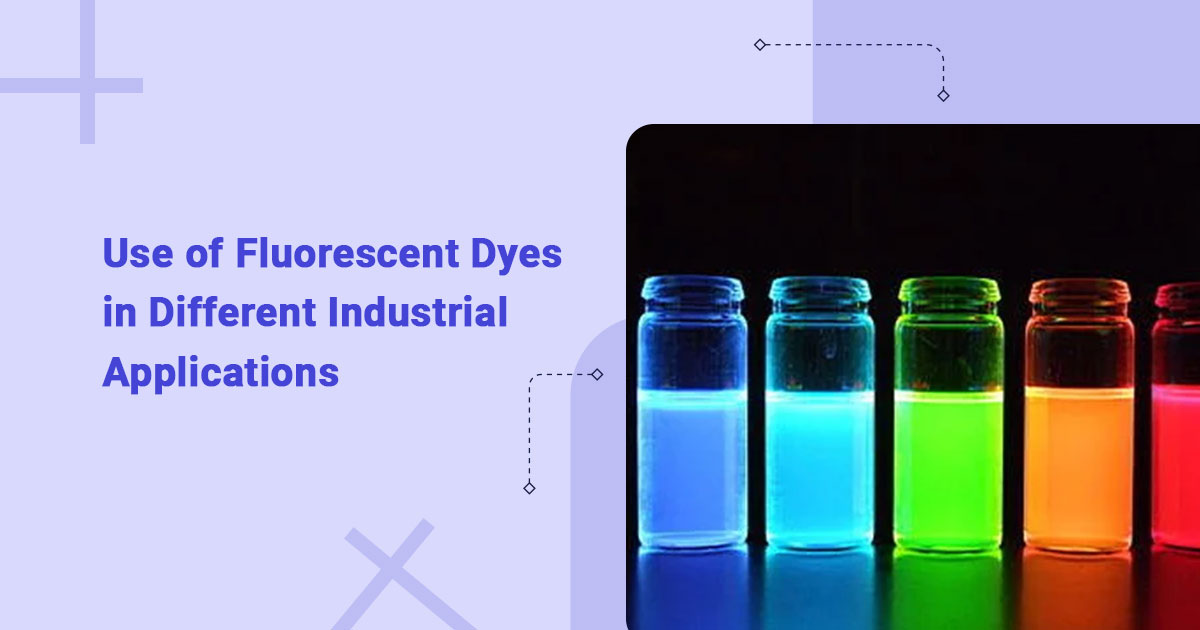
Use of Fluorescent Dyes in Different Industrial Applications

Fluorescent dyes, also known as reactive dyes or fluorophores refer to substances used to absorb light waves of a certain wavelength and emit light waves with a wavelength higher than the absorbed light. It contains greater brightness and photostability compared to fluorescent proteins without needing a maturation time. Fluorescent dyes have been widely used by biologists & chemists for decades. Businesses can use fluorescent dyes alone or combine them into composite fluorescent dyes. They are capable of producing different colors that are easy to visualize and analyze efficiently. Most fluorescent dyes are conjugated to antibodies or tagged with peptides to target proteins. The process requires fixating cells, making genetic circuit dynamics impossible to measure. It is possible to use fluorescent dyes inside living cells, but their applicability is somewhat limited in many cases. All right! In this blog post, we will talk about the various uses of fluorescent dyes in different industrial applications. So, let’s get started! Uses and applications of Fluorescent Dyes The use of fluorescent dyes is widespread in various industrial applications, including but not limited to: Fluorescent dyes are most commonly utilized in different fields, including molecular biology, cell biology, medical diagnostics, and for labeling and visualizing

Use of Fluorescent Dyes in Different Industrial Applications Read More

Understanding all dyes used in food
Food Colors

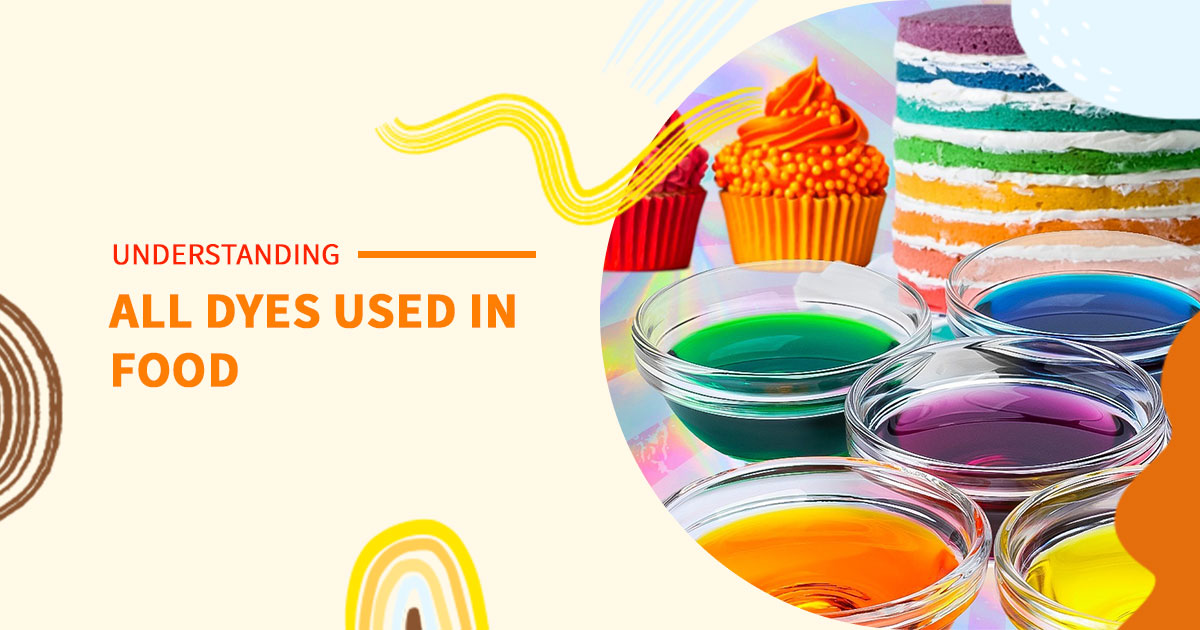
Understanding All Dyes Used in Food

Food dyes, also known as color additives, are used to provide colors to different food products, including food & beverages, cakes, juice, confectionary items, sausage casings, baked goods, powdered drink mixes, candies, carbonated drinks, gelatin desserts, and many other foods. The use of FD&C dyes is worldwide due to its powerful capability to provide more vibrant colors and hues more effectively. Food dyes are primarily used to improve the visual appearance, making the product more appealing and attractive. These colors or coloring agents are derived from chemically synthesized process ingredients including natural colors in a laboratory. Many of these food colorings or color additives are also used as coloring agents in different industrial applications, including cosmetics, drugs, and other products, like mouthwash and toothpaste. All right! In this blog post, we will talk about all food dyes or synthetic food dyes used in the food & beverage industry. So, let’s dive right into the various kinds of synthetic food dyes currently used in foods. What are Food Dyes? A food dye refers to any color additive, dye, or pigment used to impart color when applied to foods, cosmetics, or pharmaceuticals. Food dyes are also known as food colorants, coloring agents,

Understanding All Dyes Used in Food Read More

Ensuring Safety and Compliance in Pharmaceutical Colorants
Pharmaceutical Colors

Ensuring Safety and Compliance in Pharmaceutical Colorants

The importance of knowing the safety concerns of pharmaceutical colorants has become a crucial factor for pharmaceutical companies and as well as individual professionals to eliminate the risk of drug counterfeiting. Companies are strictly required to follow the US FDA’s stringent regulations and guidelines concerning the use of pharmaceutical colors to maintain a delicate balance between vibrancy and safety. Well! Here we are going to talk about the safety concerns of pharmaceutical dyes, colorants, or coloring agents used in the pharma industry. Pharmaceutical and cosmetic color manufacturers in India must use premium-quality pharmaceutical dyes or pigments according to the dosage forms and as mentioned on the label. Pharmaceutical products manufacturing companies must focus on increasing the use of drug counterfeiting to maintain the safety and aesthetics of products in this industry. So, let’s dive right in without any further do! Pharmaceutical Colorants: Overview Pharmaceutical dyes, colors, colorants, or coloring agents are most commonly used in coloring drugs, including the core and coating of tablets, oral liquids, coated beads of capsules, capsule shells, ointments, topical creams, salves, etc. E110 Sunset Yellow FCF, 102 Tartrazine, E104 Quinoline Yellow, Carmines, Carminic Acid, E120 − Cochineal, E122 Azorubine (Carmoisine), E123 Amaranth, E124 Ponceau 4R

Ensuring Safety and Compliance in Pharmaceutical Colorants Read More

Understanding Synthetic Applications of Eosin Y
Synthetic Dyes

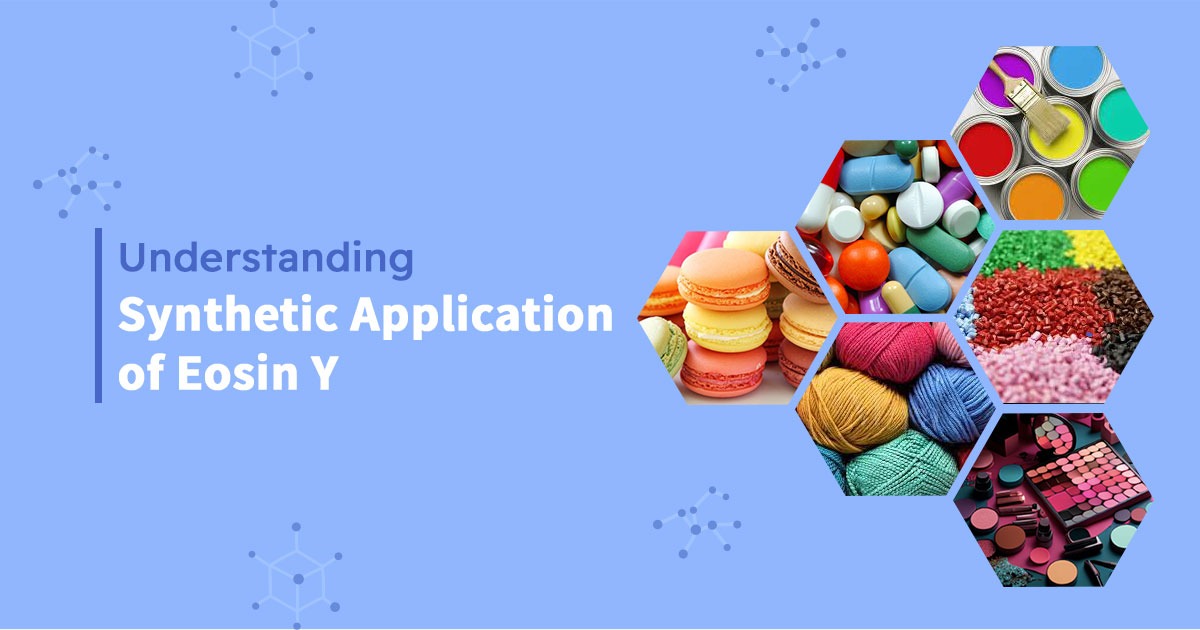
Understanding Synthetic Applications of Eosin Y

Eosin refers to a class of fluorescent red dye, an artificial derivative of fluorescein that contains two closely related compounds, called eosin Y and eosin B. Eosin Y is a tetrabromoderivative of fluorescein and has a slightly yellowish cast and is widely used for various applications. There are two types of Eosin Y: water-soluble and ethanol-soluble Eosin Y.  Ethanol-soluble eosin Y tends to stain more quickly and provides a brilliantly red color compared to the water-soluble type. Dibromodinitro fluorescein derivative eosin B has a blueish tint due to its dibromo dinitro group. The color of eosin B is often equivalent to that of eosin Y, and it can sometimes be more brilliant than eosin Y.  Both dyes are interchangeable and can be utilized based on personal preferences or traditions. If you are wondering about the uses or synthetic applications of Eosin Y, then you have come to the right place. Here, we will walk you through the basic understanding of its synthetic applications.  What is Eosin? The term dye refers to natural or synthetic-colored organic substances that absorb various substrates to impart color. Dye molecules typically chemically attach to surfaces and become an integral part of them.  Artificial dyes are

Understanding Synthetic Applications of Eosin Y Read More

Importance of Pharmaceutical Colors in Tablet Coating
Pharmaceutical Colors

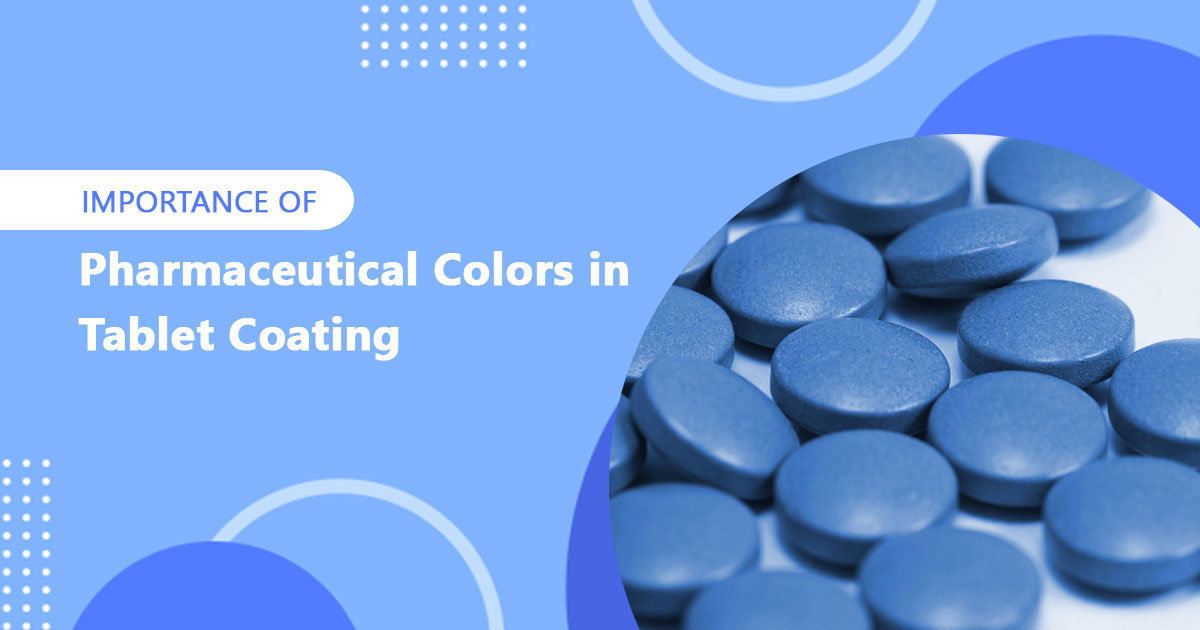
Importance of Pharmaceutical Colors in Tablet Coating

The use of pharmaceutical colors in the pharmaceutical industry is widespread due to their ability to provide a brighter, more vivid, and more vibrant color to the product. A lot of companies in the market use pharmaceutical colors in the preparation of tablet coating. There are strict guidelines & rules set by the US FDA to ensure the proper use of tablet coating and as directed. The pasty pastel hues of over-the-counter medications were the norm in the early days, while prescription medications were transparent vials filled with colorless pills. Colors are now available in pills and liquid medicines, so whether color is significant is unclear. Despite what some may think, the pharmaceutical color of pills serves more than just an aesthetic purpose. It has many other benefits & it has become necessary because of this property. If are you still wondering about the importance of pharmaceutical colorants in tablet coating, this blog is for you. All right! In this blog post, we will walk you through the importance of pharmaceutical colorants in the process of tablet coating. So, let’s get started with the basics! What is Tablet Coating? Tablet coating involves the process of applying a coating material to

Importance of Pharmaceutical Colors in Tablet Coating Read More

food color
Food Colors

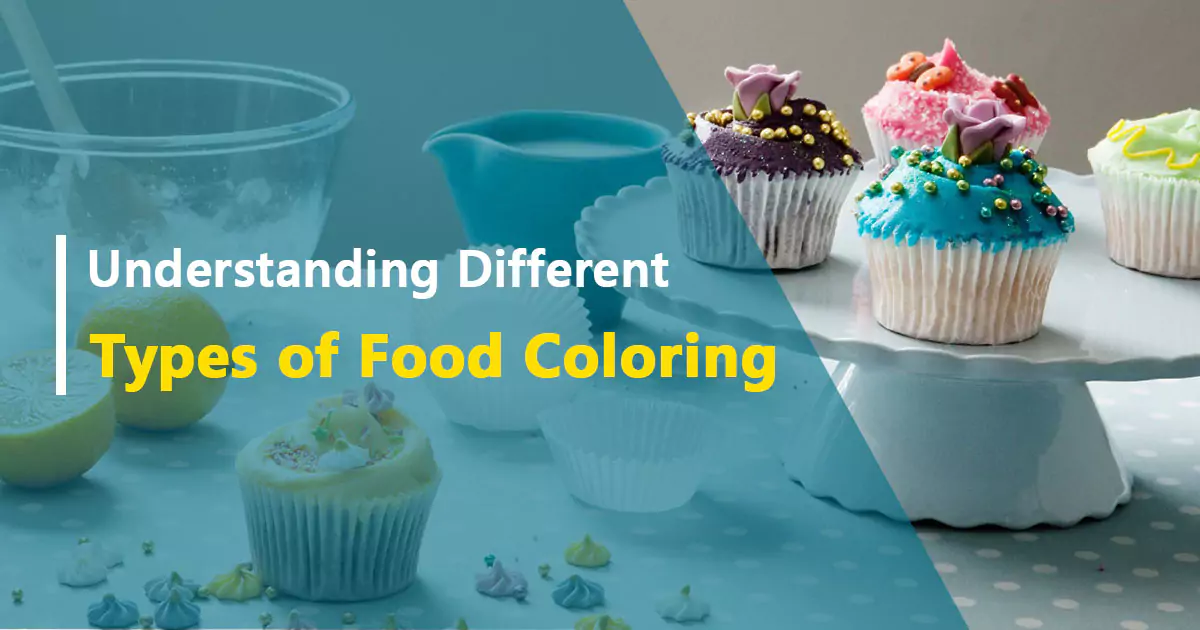
Understanding Different Types of Food Coloring

Different types of food coloring are used in today’s competitive marketplace. You can find various types of food coloring available in the market today, but traditional powder and oil-based food coloring are the most popular and widely used in food and beverage items. However, both types of food coloring have their pros and cons and provide different colors and hues to food products. Understanding different types of food coloring and their importance is crucial to making sure you’re using the right food coloring or food color additives for your food & beverage products. It’s essential to understand how to use food coloring in the right amount if you’re planning to decorate icings, candies, and other sweet treats for a loved one or add the finishing touches to your holiday cookies. The majority of chefs use liquid coloring for cooking, but other options exist, each with its benefits. All right! If you are a business wondering about the different types of food coloring available in the market, then you have come to the right place. In this quick guide, we will walk you through the basic understanding of various types of food coloring, food colors, or food colorants used in the

Understanding Different Types of Food Coloring Read More

Understanding FD&C dyes and their uses for coloring
Food dyes

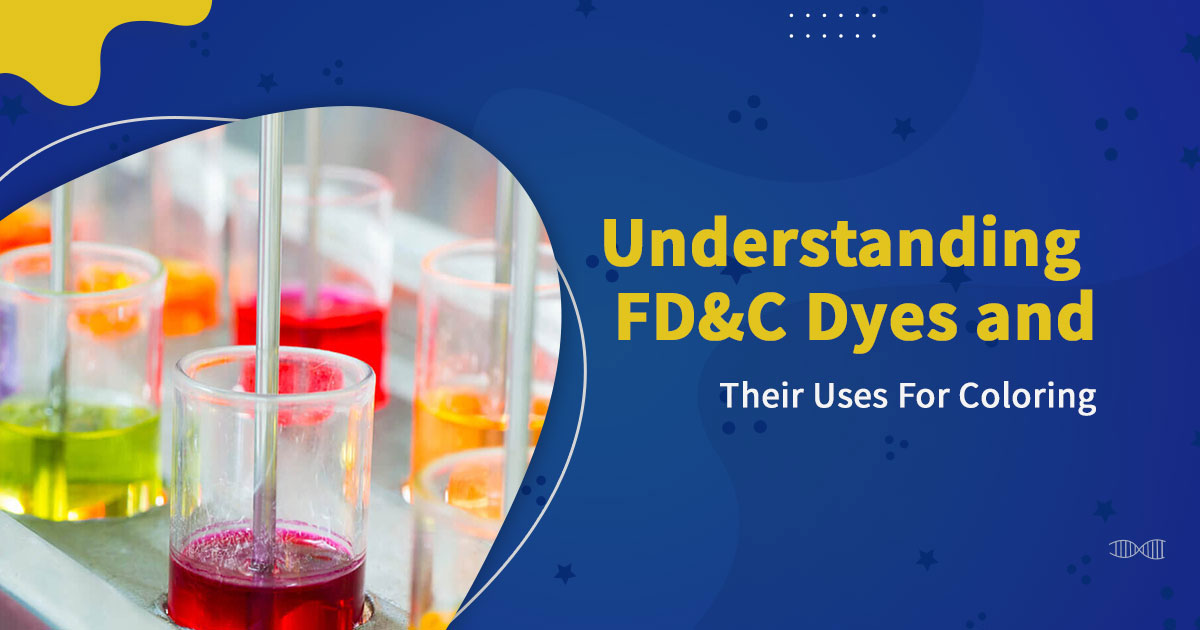
Understanding FD&C dyes and their uses for coloring

FD&C dyes are colorants, colors, or coloring agents certified and approved by the US FDA (US Food and Drug Administration) for use in various industrial applications, including foods, drugs, and cosmetics. The medicines you take, the foods you eat, and the makeup you apply to your skin, all come in different colors, shades, or hues. These color pigments come from FD&C dyes that are widely accepted for use in food, pharmaceuticals, cosmetics, and home & personal care products. The FDA is the main regulatory body that regulates and monitors the use of FD&C colorants for safety concerns. It has stringent regulations and guidelines and requires FD&C color manufacturers to follow these standard specifications and perform rigorous testing on several trials to ensure the end product meets the regulatory requirements. Whether you are a business or an individual professional wondering what FD&C dyes or colorants are and their uses for coloring in different industrial applications, you have come to the right place. Well! In this blog post, we will talk about FD&C dyes and their applications for coloring foods, drugs, and cosmetics. So, let’s get started with the basics! What are FD&C Dyes or Colorants? A color additive refers to a

Understanding FD&C dyes and their uses for coloring Read More

Importance of Choosing Premium Quality Food Colorants For Products
Food Colors

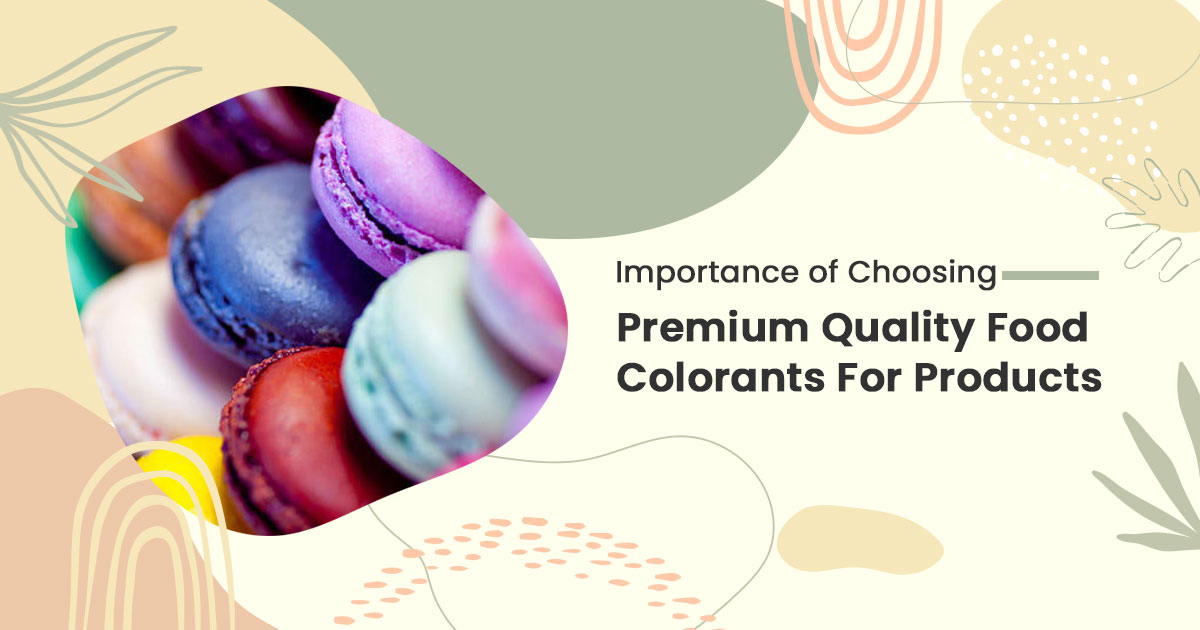
Importance of Choosing Premium Quality Food Colorants For Products

Food colorants, colors, or coloring agents are dyes and pigments that play an important role in making food products more appealing and attractive to consumers’ eyes. Consumers will likely be attracted to a product by its color, look, and feel. Food colorants provide a wide range of hues and colors to your products and improve the overall visual appearance more effectively. Color has a strong connection with the taste of perception, as it helps consumers remember the taste and quality of the product. Color is used to improve its visual appeal and show the enriched quality of the product & its ingredients. That’s why it is essential to choose the right, premium-quality food colors or colorants to make your products appealing and enriched with high-quality ingredients. If you are a business thinking about the importance of choosing premium quality food colorants for products, you have come to the right place. All right! Here we will talk about the importance of choosing premium quality food colorants for your products. So, let’s get started! Importance of color quality Whether food & beverage, cosmetic, or pharmaceutical industry, color quality is always of primary concern to both the color manufacturer and the consumer. These

Importance of Choosing Premium Quality Food Colorants For Products Read More

Scroll to Top