Premium Pigment Colors for Stunning Cosmetics & Personal Care
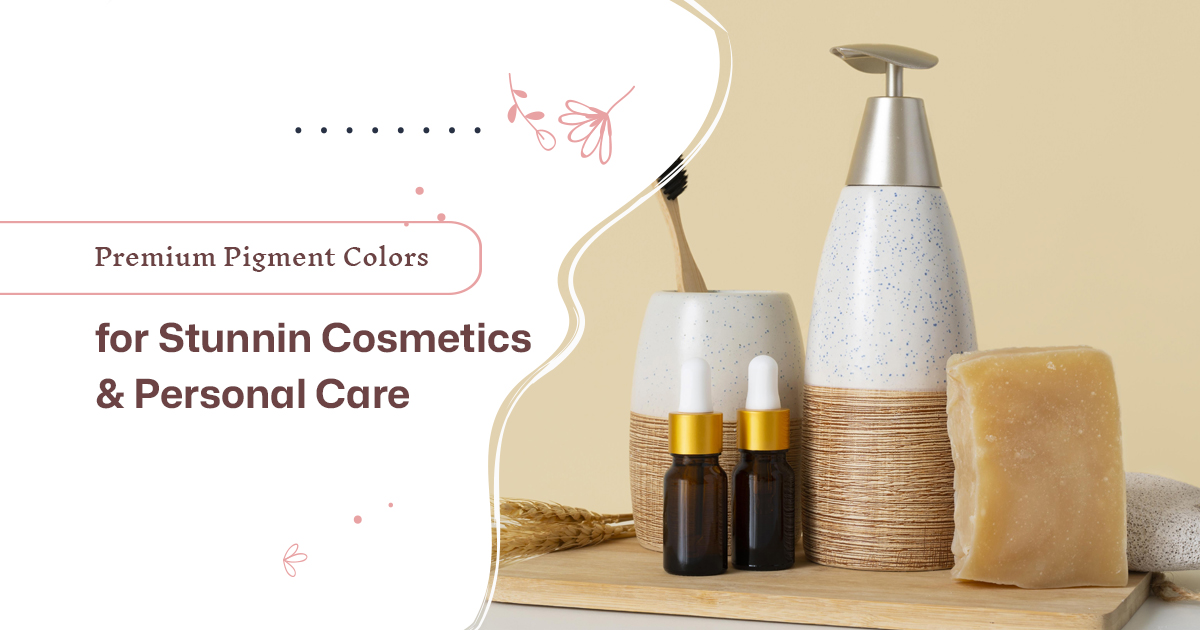
Pigment colors are widely used to impart color to different cosmetic and personal care products, making them more appealing and attractive to consumers. Pigments offer vibrant hues, facets, and visual allure of numerous colored cosmetic and skin care products. Well! In this blog post, we will walk you through pigment colors for cosmetics and personal care products. Pigments used for cosmetics offer a wide range of hues and shades. It is fascinating to observe how pigments have evolved over the millennia, displaying the evolution of techniques and materials used by diverse cultures to add color to the world. Using color pigments in cosmetics and skin care products can transform them from simple products into beautiful ones that captivate the senses and leave an indelible impression. If you are a business or individual entrepreneur wondering about the uses of pigment colors in cosmetics and personal care products, continue reading this blog further. What are Pigment Colors? Pigment colors are colors or color additives that impart a wide range of hues, facets, and shades to make cosmetic and personal care products more appealing, beautiful, and attractive. Generally, the use of a pigment or pigment powder is popular for providing color or changing the visual appearance
Premium Pigment Colors for Stunning Cosmetics & Personal Care Read More