FD&C (Food, Drugs, and Cosmetics) and D&C (Drugs & Cosmetics) dyes and lakes, known as synthetic or certified colors, are commonly used to impart color to a wide range of cosmetic products. FD&C dyes and lakes that meet all the FDA’s stringent colorant standards for cosmetics can be blended to meet your requirements. This blog will discuss FD&C dyes and lake pigments to ensure a smooth transition for sustainable business growth.
D&C and FD&C colors are water-soluble dyes and share the same characteristics as the aluminum lakes that correspond to them more efficiently. Each FD&C and D&C dye batch must be submitted to the FDA for testing to ensure it meets strict government requirements.
Whether you’re a business or individual professional wondering about the FD&C dyes and FD&C pigments in cosmetics, you have come to the right place. So, without any further ado, let’s dive right in!
What are FD&C dyes?
FD&C dyes and lake pigments, also known as artificial or FDA-certified colors, are widely used in food, drugs, and cosmetics. They are water-soluble chemicals that produce color when dissolved in water.
Additionally, FD&C colors or dyes are generally found in granular form and can be used as a color additive in various applications, including food, drugs, and cosmetics.
What are Lake Pigments?
Lake pigments are water-insoluble dyes derived from mixing a dye with a metallic salt. They are popular for a wide range of applications, such as food coloring, paints, and cosmetics. Lake pigments are insoluble substances that tint through dispersion and can easily be dispersed in fats, oils, propylene glycol, glycerin, and sucrose.
When it comes to lake colors vs pigments: both are different and serve different purposes in industrial applications. They are most commonly used in food, pharmaceuticals, and cosmetics. In addition, lake pigments offer seamless dispersion in other mediums, including glycerin, and sucrose (water and sugar).
FD&C Aluminum Lakes are derived from FD&C Dyes and are available in different concentrations (low dye, medium Dye, and high dye). Adding more dye to a product can achieve the darkening effect of dye, but it doesn’t occur when adding more lakes.
Moreover, food safety regulations do not allow FD&C Red 3 Aluminum Lake to be used in food.
Uses of FD&C Dyes and Lake Pigments
FD&C (Food, Drugs, and Cosmetics) dyes and lake pigments are used to color a comprehensive range of products, including food, cosmetics, and pharmaceuticals. They are widely used to provide vivid, brighter colors to enhance the visual appearance of products, including:
- Food & Beverages
FD&C dyes and aluminum lakes create food colors for various applications. They are used to enhance products’ visual appearance and attractiveness more efficiently.
- Cosmetics
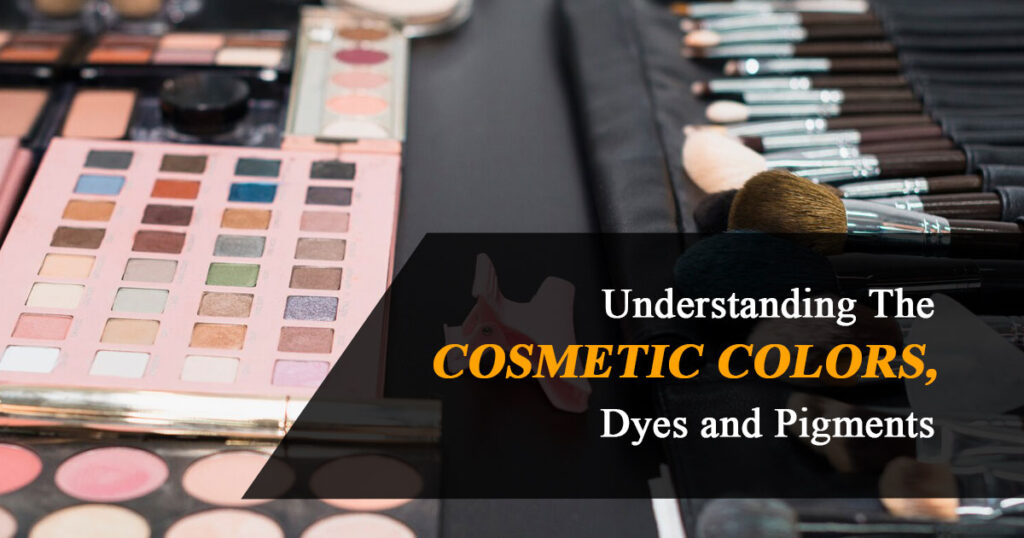
FD&C dyes and lake pigments are commonly used to impart color to cosmetic products, such as eye shadow, lipsticks, nail polish, and lotions. You can customize FD&C dyes and lake pigments to create almost any color more efficiently.
- Pharmaceuticals
These FD&C dyes and lakes are widely used to color drugs and tablets in various industrial applications. Aluminum lake colors are also popular in coating drugs.
Benefits of FD&C Dyes and Lake Pigments
FD&C dyes and lake pigments offer numerous benefits for businesses, including the capability to produce more vibrant, vivid colors with different hues and shades, making the product informative and appealing to consumers. The following are the top benefits of FD&C dyes and lake pigments, including:
- Lakes are dispersible and can be easily mixed with different media, such as oils, glycerin, sucrose syrup, or propylene glycol. On the other hand, dyes are water-soluble and don’t mix with oils or fats.
- The use of lakes is also a possibility when dyes cannot be dissolved in water.
- Lake pigments are more durable and stable than other forms of dyes.
- They are more opaque than dyes and can be used for specific applications.
- These dyes and pigments offer greater versatility when used in applications.
- They provide consistent coloring across different product formulations.
Conclusion
FD&C dyes and pigments can be used in various industrial applications, including food, drugs, and cosmetics. These FD&C dyes and pigments are widespread to enhance the visual appearance and make products more informative, appealing, and attractive. Lots of companies today leverage premium-quality synthetic dyes and pigments as coloring agents.
Contact us today for more information on the wide range of FD&C dyes and pigments we manufacture at our state-of-the-art facility.
FAQs
Both dyes and lake pigments are quite different in terms of their solubility, stability, and color consistency. Lakes can be dispersed and are easier to mix with various media such as oils, propylene glycol, glycerin, or sucrose syrup. On the contrary, dyes are water soluble and can’t be mixed well with fats or oils.
The FD&C colors are synthetic dyes or certified colors approved and permitted for use in food, drugs, or cosmetics, by the U.S. Food and Drug Administration (FDA). These dyes and pigments are primarily used to improve the visual appearance of products, maintaining color variations and offsetting color loss during storage.
FD&C dyes are synthetic dyes certified and approved for use in foods, drugs, and cosmetics. Generally, there are seven commonly used FD&C dyes popular for various industrial applications. Red 40 and Blue 1 are the most common red and blue dyes, while Blue 2 and Green 3 are rarely used.