Blog

The Truth About Synthetic Dyes Used for Food Coloring: Are They Safe for Consumption?
Synthetic Dyes

The Truth About Synthetic Dyes Used for Food Coloring: Are They Safe for Consumption?

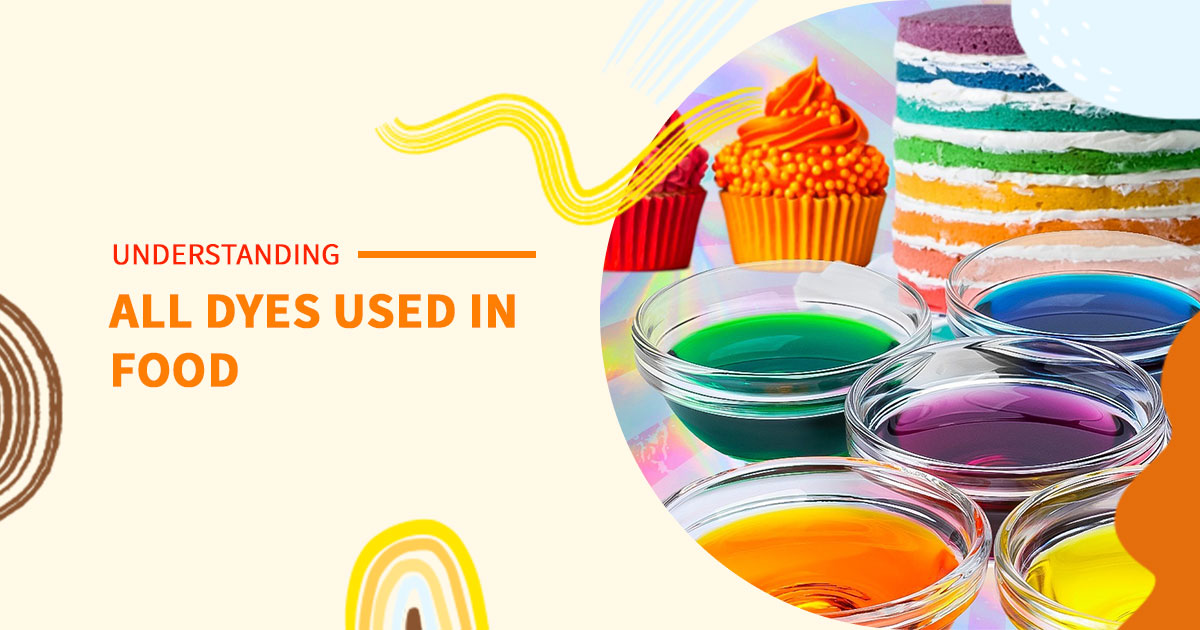
Food colorings or additives are dyes, pigments, or substances that impart color when added to food or beverages. It’s hard not to put the food in your grocery bag or eat it right away when you step into the market – making food vibrant and more appealing. In this article, we will talk about synthetic dyes used for food coloring. If you’re wondering what are food dyes and how safe they are, you are in the right place. You can find food coloring everywhere whether you’re cooking at home or in a commercial kitchen. The products range from liquids to powders to gels to pastes. In addition to cosmetics, food colorants are used in many other applications, including medical devices, pharmaceuticals, and home craft projects. Food colors play an important role in the visual presentation of food, which is one of the most powerful effects of their use. Some food colors and flavors have been approved for consumption by the U.S. FDA and FSSAI (Food Safety and Standards Authority of India). Let’s dive into the different types of food dyes used for food coloring. Importance Of Colors in Foods? Color can affect how people perceive food flavors in anything from…

The Truth About Synthetic Dyes Used for Food Coloring: Are They Safe for Consumption? Read More

What are Pharmaceutical Colors? A Deep Dive into Basics & Uses
Pharmaceutical Colors

What are Pharmaceutical Colors? A Deep Dive into Basics & Uses

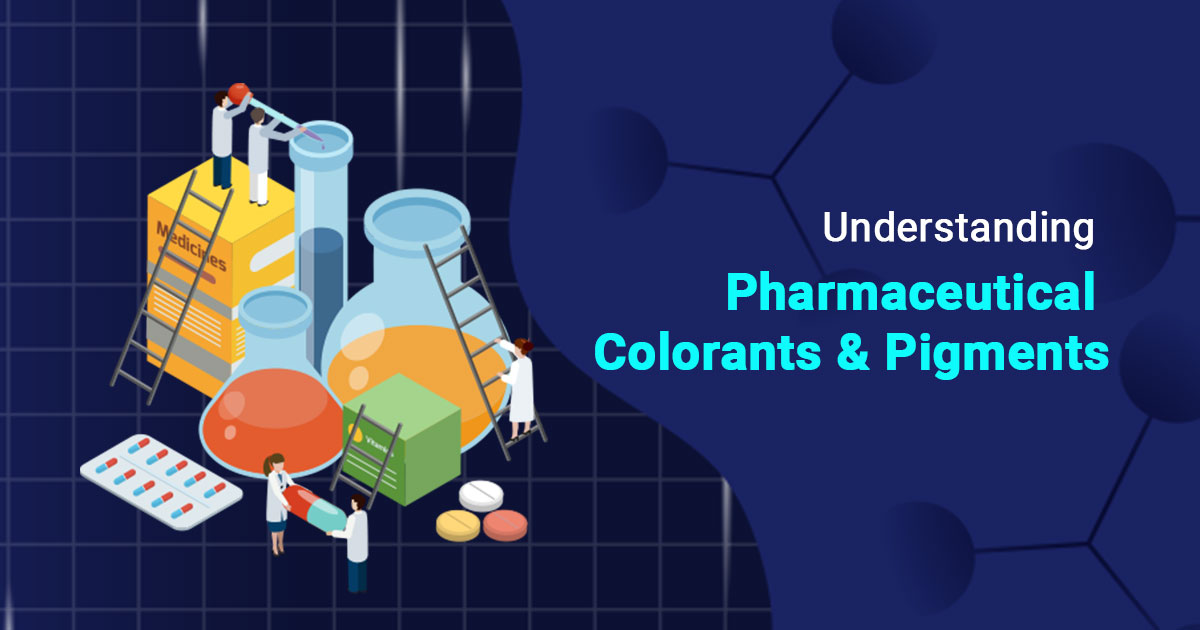
Pharmaceutical colors, colorants, or coloring agents play a vital role in improving the visual appearance and making the products more attractive and eye-catching to consumers with different colors and hues. It’s human behavior that tends to like products that look way more aesthetically pleasing than products with dull colors. In this blog post, we will discuss what are the pharmaceutical colors or colorants used in tablet coating. These pharmaceutical colorants can be both natural & synthetic colors, making it crucial for businesses to choose the right colors for their products. Businesses looking to achieve the perfect matching and the desired product should prioritize choosing superior quality synthetic dyes and pigments from a reputed manufacturer and exporter of chemical dyestuffs. However, the US FDA has safety compliance, stringent rules, and regulations on the usage of these color additives in pharmaceuticals to ensure safe human consumption and reduce the chances of drug counterfeiting. Blue, Red, Yellow, White, Brown, and Green are the most popular pharmaceutical colors used widely in the pharmaceutical industry. Let’s dive into the different types of pharmaceutical colors or colorants used in tablet coatings. Here we go with the basic definition of pharmaceutical colors. What are pharmaceutical colors? The

What are Pharmaceutical Colors? A Deep Dive into Basics & Uses Read More

Ultimate Guide for Choosing Dyes and Chemicals
Dyes

Ultimate Guide for Choosing Dyes and Chemicals

The importance of dyes and pigments can’t be overlooked as they provide brighter, more vibrant colors to make the product visually appealing and pleasing to the eye. With so many dyes and chemicals available in the market, choosing the right dyes and chemicals is crucial for the ultimate success. In this blog, we will provide the essential guide for choosing the right dyes and chemicals for your products. Dyes and pigments are widely used to improve the look and feel of products, including foods, pharmaceuticals, cosmetics, home and personal care items, clothing, printed materials, etc. The popularity of dyes and pigments has grown significantly due to several advances it provide to businesses, including cost-effectiveness, durability, and a tendency to produce more vivid colors. When it comes to choosing the best dyes and chemicals, there are various factors you need to consider, including color intensity, purity, consistency, durability, solubility, application types, target prospects, and ultimately the business goals. Let’s dive into the tips and tricks for choosing dyes and chemicals for your industrial application. Understanding Dyes and Chemicals Dyes are water-soluble chemical substances that provide various colors to objects to which they are applied. Natural and synthetic dyes are the two

Ultimate Guide for Choosing Dyes and Chemicals Read More

Tips For Choosing the Right Food Colors
Food Colors

Tips For Choosing the Right Food Colors

Colors have become a crucial part of everyone’s life. Life without colors would be impossible to think of. The importance of food colorings or colors can’t be ignored as they can make everything beautiful, appealing, and interesting, regardless of where they are applied. However, selecting the right colors for your desired applications is essential. This article will cover the best tips for choosing the right food colors for your products. The term “food color” refers to dyes, pigments, or anything else that adds color to foods and drinks. Whether foods, drugs, or cosmetics, the use of food colors is widespread for a variety of industrial applications. Organizations must focus on choosing the right food colors for their products to ensure quality and efficacy. Whether pigments, dyes, or food colors, each plays an equally important role in foods & beverages, drugs, cosmetics, and home and personal products. Let’s dive into the proven tips and tricks for choosing the right food colors or food dyes for your products. What are food dyes? Food dyes, also known as food coloring, color additives, or colorants refer to any dye, pigment, or substance that provides bright, vivid color when applied to certain food & beverage

Tips For Choosing the Right Food Colors Read More

Comparative Guide
Food Colors

Comparative Guide: Natural food colors vs Synthetic food colors

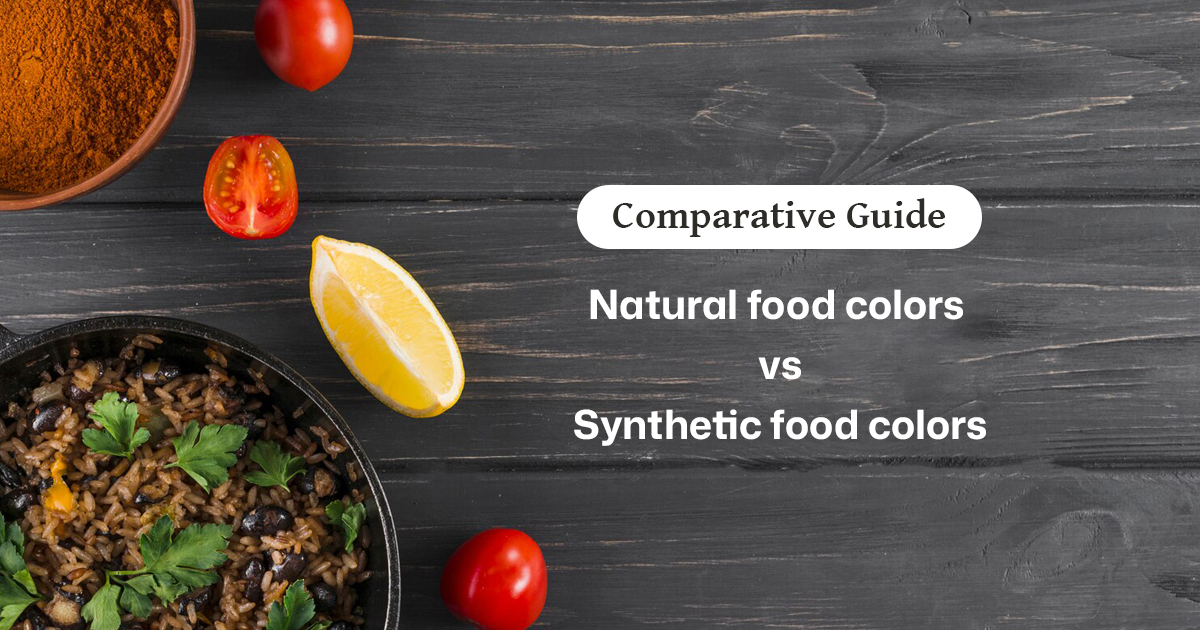
Food colors, colorings, or colorants are most commonly used in foods and beverages, pharmaceuticals, and cosmetics. There are two types of food coloring or food colors: natural food colors and artificial food colors, each comes with its benefits and disadvantages. Well! Here we will talk about natural food colors vs synthetic food colors and explore the pros and cons of both types of food colorings. Food colors are widely popular for use in a variety of industrial and domestic applications, including coloring foods, tablets, cosmetics, plastics, home and personal care products, and more. Natural food colors are colorants derived from natural sources, such as plants, trees, vegetables, fruits, etc. Synthetic food colors are produced from coal tar or petroleum-based chemicals in a well-crafted laboratory environment. Both natural food colors and synthetic food colors have their advantages and disadvantages and tend to have unique human perceptions based on health concerns, safety, and authority regulations. Let’s dive deeper to understand the difference between natural food colors and synthetic food colors. Before we dig deeper into the debate about natural food colors vs synthetic food colors, let’s understand the food coloring first. What is food coloring? Food coloring, colorants, or coloring agents refer

Comparative Guide: Natural food colors vs Synthetic food colors Read More
Food Coloring: What It Is, Types, and How It Affects Your Food
Food Colors

Food Coloring: What It Is, Types, and How It Affects Your Food

Food coloring, colorant, or color additive refers to a dye, pigment, or substance used to give colors to various foods & beverages. The use of food coloring or food colorants is widespread for numerous industrial applications, including commercial products and domestic cooking. Well! In this article, we will discuss everything you need to know about food coloring, including its types, uses, regulations, importance, advantages, and health & safety considerations. Food dyes or food colorants are most commonly used in a variety of non-food applications, ranging from cosmetics, medical devices, and pharmaceuticals to home craft projects. However, the safety of these food coloring or colorants is strictly regulated and monitored by the European Food Safety Authority (EFSA) and the US Food and Drug Administration (FDA) for the safe usage of foods, beverages, and cosmetics. It’s the FDA that strictly regulates and approves these food colorings only when they meet its quality standards and safety guidelines. These color additives must meet US FDA standards and deliver top-notch quality and efficacy before they can be available to consumers. Let’s understand food coloring and its various aspects in more detail. What is Food Coloring? Food coloring, also known as color additive, or colorant is

Food Coloring: What It Is, Types, and How It Affects Your Food Read More

Unlock the Importance of Premium Synthetic Dyes Business Success
Synthetic Dyes

Unlock the Importance of Premium Synthetic Dyes for Your Business Success

Synthetic dyes, colors, colorants, or coloring agents are widely used to impart various colors and shades to foods, pharmaceuticals, cosmetics, and home and personal care products. These dyes are best known for their lucrative advantages, including bright colors, cost-effectiveness, and longer shelf life than natural dyes. Well! Here, we will discuss the importance of premium-quality synthetic dyes for your business, including their advantages and applications in various industry verticals.  Synthetic dyes are widely used in various industries, including food and beverage, cosmetics, and pharmaceuticals. Artificial dyes are more durable and stable, offering bright colors and cost efficiency. If you are a business wondering about the benefits of synthetic dyes for your operations, you have come to the right place.  Let’s explore the importance of premium-quality synthetic dyes, including their classifications, advantages, and applications in various industrial settings. Classification of Synthetic Dyes Synthetic dyes can be categorized based on different criteria, including their application, chemical structure, and dyeing process. Artificial dyes can be further classified depending on the following criteria:  1. Application: These dyes can be further classified based on their applications, including leather dyes, textile dyes, paper dyes, food dyes, cosmetic dyes, and inkjet dyes. 2. Chemical structure: Based on their chemical

Unlock the Importance of Premium Synthetic Dyes for Your Business Success Read More

Essential Guide to Cosmetic Colors and Dyes: Safety Concerns You Need to Know
Cosmetic Colors

Essential Guide to Cosmetic Colors and Dyes: Safety Concerns You Need to Know

Choosing the right color for the desired product can be challenging in today’s competitive, colorful world. There are so many cosmetic colors & cosmetic dyes used today to improve the aesthetic appearance of foods, drugs, pharmaceuticals, and cosmetics. Understanding the right colors or cosmetic colorants is quite important to make a final decision about the purchase. Many decades ago, deep crimson and maroon were the most popular eyeshadow colors available to customers. You can now find a wide range of colors to choose from. The cosmetic industry is only complete with high-quality colors, and high-quality dyes require numerous quality tests and certifications to guarantee their safety, efficacy, and top-notch performance. For local brands to compete with global brands, they must use high-quality ingredients, and integrate cutting-edge machines and techniques to achieve desired product in the market. Cosmetic colors and cosmetic dyes are recommended to be used in limited quantities and as directed on the label. If you are a business or individual professional thinking about safety concerns on cosmetic colors and cosmetic dyes, you have come to the right place. All right! In this blog post, you will learn everything you need about cosmetic colors and dyes, including their safety

Essential Guide to Cosmetic Colors and Dyes: Safety Concerns You Need to Know Read More

The Vibrant Past: Exploring the History of Food Color Additives
Food Colors

The Vibrant Past: Exploring the History of Food Color Additives

Introduction How food looks has always significantly influenced how we perceive its taste, freshness, and overall appeal. We often choose what to eat based on the red of a ripe strawberry or the golden color of bread, more than we realize. Food manufacturers have used various food color additives to enhance visual appeal and restore color lost during processing. The history of food color additives is fascinating, from using natural ingredients in ancient times to the rise of synthetic dyes during the growth of factories and, eventually, to today’s growing demand for clean, plant-based alternatives. Early Use of Natural Colorants Before food processing became an industry, ancient civilizations used natural ingredients to add color to food. Egyptians were among the earliest to use saffron and turmeric for flavor and their vivid yellow-orange pigments. In India and China, people used beet juice and hibiscus to make red and purple colors, and they used spirulina and spinach for green. They often derived these natural colorants from herbs, minerals, fruits, and vegetables. They had cultural, religious, and sometimes even medicinal significance. For example, colored rice and sweets were part of rituals and celebrations, symbolizing prosperity and joy. These early practices laid the foundation

The Vibrant Past: Exploring the History of Food Color Additives Read More

Scroll to Top