Blog

Phloxine B Dye: Applications, Properties, and Mechanism
Food dyes

Phloxine B Dye: Applications, Properties, and Mechanism

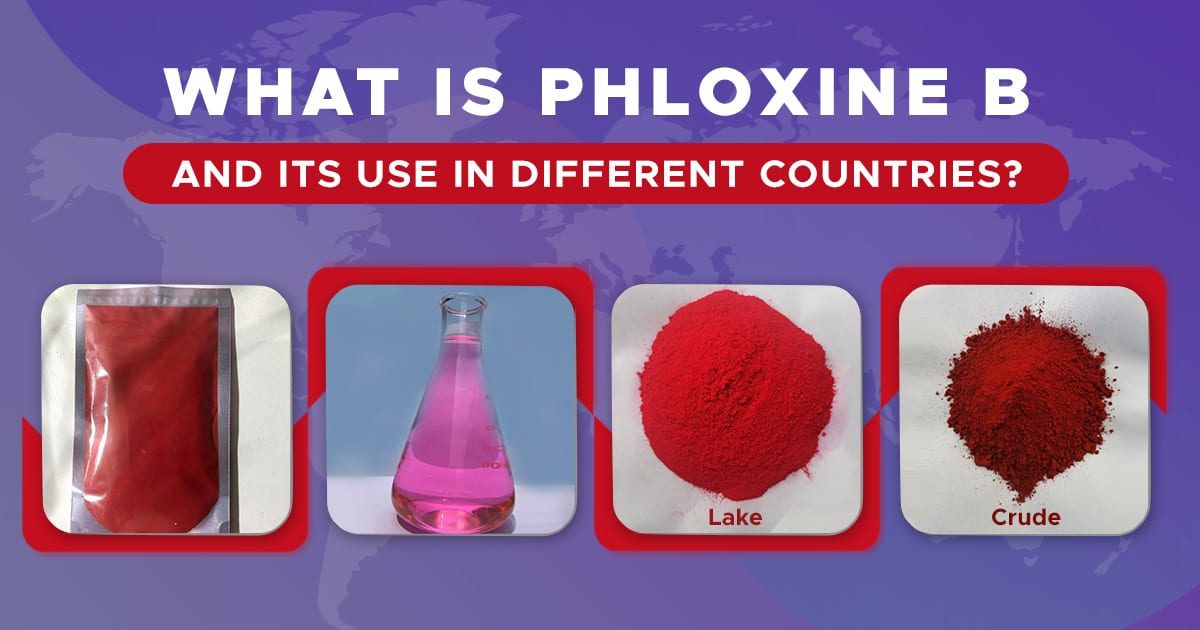
Introduction Dyes are critical in various scientific, industrial, and cosmetic applications. From staining biological samples in laboratories to adding color to commercial products, these compounds are essential for visualization, analysis, and aesthetic enhancement. Among the many dyes used in science and industry, the Phloxine B dye stands out for its versatility and precision in biological staining. Researchers and product developers widely utilize it in microbiology, cell biology, and personal care formulations due to its vivid coloring and functional properties. What is Phloxine B Dye? Phloxine B dye is a synthetic, water-soluble xanthene dye commonly used for its bright pink to red coloration. Chemically, it is a fluorescein derivative categorized as an acid dye. Its molecular formula is C20H4Br4Cl2Na2O5, which includes multiple halogen atoms contributing to its intense coloration and staining abilities. This dye appears as a red powder and dissolves easily in water or ethanol, making it ideal for preparing staining solutions. Scientists recognize its strong affinity for binding with proteins, which makes it particularly useful for staining cell structures and identifying dead cells in microbiological studies. Read More: FD&C dyes and their uses for coloring Applications of Phloxine B Dye Scientists and manufacturers prize Phloxine B dye for its…

Phloxine B Dye: Applications, Properties, and Mechanism Read More
Erythrosine
Food dyes

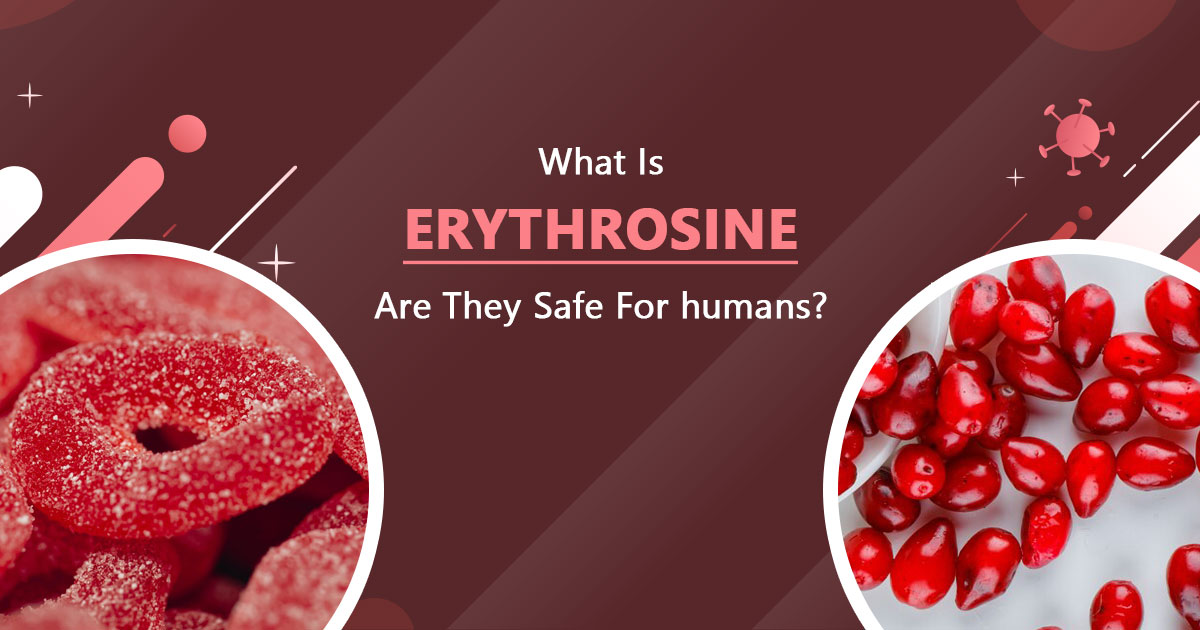
What Is Erythrosine: Are They Safe For Humans?

The use of colors in foods has become more popular with the increasing choice of consumers buying a product by seeing its colors and look and feel. In fact, modern consumers are more likely to buy a product that appeals to them. Just imagine the sight of a bright red treat that can make your mouth water without a doubt. If your food item displays a beautiful, vibrant red color, it may be because of the use of Red No. 3 (Erythrosine), also known as FD&C Red 3 – Acid Red 51. There are a number of foods that contain this dye, such as candy, pastries, breakfast cereals, and popsicles. Have you ever imagined if it is safe to consume foods containing this color additive? Or is Erythrosine (Red No. 3) safe for use? Well! The Food and Drug Administration (FDA) has approved Erythrosine (FD&C Red No. 3) for use in food, and thus they are safe. In addition to this, the FDA approved this dye in 1931 -alongside others. Still, wondering whether Erythrosine – FD&C Red 3 – Acid Red 51 is safe for use or not? Isn’t it? All right! This blog will tell you everything about Erythrosine

What Is Erythrosine: Are They Safe For Humans? Read More

Blended Food Colors: A Perfect Mix for Vibrant Creations
Food Colors

Blended Food Colors: A Perfect Mix for Vibrant Creations

Introduction Color plays a crucial role in how we perceive and enjoy food. A visually appealing dish can stimulate appetite and enhance the overall eating experience. From rich reds in sauces to soft pastels in desserts, food colors are more than just aesthetic—they influence expectations, taste perception, and even purchasing decisions. Among the many innovations in this field, blended food colors have emerged as a versatile and dynamic solution for food manufacturers and culinary artists alike. What Are Blended Food Colors? Blended food colors combine two or more food-safe colorants carefully mixed to create a specific shade or hue. Unlike single-color additives, manufacturers design these blends to provide precise, consistent, and vibrant color results that are difficult to achieve with individual colorants alone. Manufacturers may derive blended food colors from natural or synthetic sources and carefully formulate them to meet the unique requirements of different food products. For instance, a blend might combine yellow and red to produce a warm orange ideal for baked goods or snacks. The goal is to achieve better color stability, improved visual appeal, and greater flexibility in formulation. Types of Blended Food Colors Blended food colors are generally categorized based on their source and application.

Blended Food Colors: A Perfect Mix for Vibrant Creations Read More

Understanding the Importance of Food Color in Food
Food Colors

Understanding the Importance of Food Color in Food

Color is a pivotal sensory attribute in the culinary world, profoundly influencing our perception, preference, and overall experience of food and beverages. Beyond mere aesthetics, food color affects taste expectations, appetite, and even purchasing decisions. This article explores the complex importance of food colors, delving into their psychological impact, cultural significance, and the ongoing shift toward natural alternatives. The Psychological Impact of Food Color Our brains naturally react to what we see, and color plays a huge role in how we expect food to look and taste. Studies have shown that color can significantly influence how we perceive the taste and flavor of food and beverages. For example, a bright red drink can make us think it will taste sweet and fruity, while a dull color might make it look less fresh and tasty. This phenomenon underscores the critical role color plays in setting sensory expectations.   Color Associations and Appetite Stimulation Different colors evoke specific associations and emotional responses that can either stimulate or suppress appetite:​ Red: Often linked to sweetness and ripeness, red can enhance food’s perceived sweetness and stimulate appetite. Yellow and Orange: Marketers often use these colors to show energy and joy in advertising snacks and

Understanding the Importance of Food Color in Food Read More

Food Dyes: Are They Safe or Should You Avoid Them?
Food dyes

Food Dyes: Are They Safe or Should You Avoid Them?

Food Dyes are everywhere—from the bright colors of candies and desserts to the appealing look of packaged snacks and beverages. These additives play a major role in making food visually attractive, consistent, and marketable. While natural dyes have been used for centuries, the rise of artificial food dyes has sparked ongoing debates about their safety, health impact, and long-term effects. Understanding what food dyes are, how they’re used, and the concerns surrounding them can help you make smarter, healthier choices for yourself and your family. What Are Food Dyes? Food dyes are color additives used to enhance the appearance of food and beverages. They can be natural (derived from plants, animals, or minerals) or synthetic (chemically produced in labs). These dyes help make processed foods more appealing, compensate for color loss during storage, and create consistency in manufacturing. People have used food dyes for centuries, but modern synthetic dyes raise concerns about their safety and health risks. Types of Dyes 1. Artificial Artificial dyes are synthetic chemicals created to provide vibrant, long-lasting colors. The most common ones approved for use include: Red No. 40 (Allura Red): Commonly found in candies, sodas, snacks, and cereals. Yellow No. 5 (Tartrazine): Commonly used

Food Dyes: Are They Safe or Should You Avoid Them? Read More

Understanding The Difference between Dyes and Pigments
Dyes, Pigments

Understanding The Difference between Dyes and Pigments

What are dyes? Dyes are colorants that dissolve in liquids like water or alcohol and stick to materials to add color. Because they are soluble, dyes penetrate substrates—such as fabric, paper, or leather—and integrate into the material. This process produces rich, vibrant coloration, which can vary in intensity based on the dye type and application method. Chemists commonly classify dyes based on their chemical structure and how they interact with different materials. Examples include: Reactive dyes (used for cotton and cellulose fibers) Acid dyes (ideal for silk, wool, and nylon) Direct dyes (for easy application on cotton and linen) Basic dyes (for synthetic fibers like acrylic) Many industries, such as textiles, leather, paper, food, pharmaceuticals, and cosmetics, use dyes because of their bright colors and how easily they mix with different materials. However, dyes often need the right temperature, pH, and time to work well, and they may not hold up as well as pigments against light, heat, or washing. Read More: Understanding the fundamentals of Dyes and Pigments What are Pigments? Because pigments don’t dissolve in liquids, manufacturers blend them with materials like oil, resin, or acrylic to apply them smoothly. Unlike dyes, pigments do not penetrate the surface

Understanding The Difference between Dyes and Pigments Read More

Scroll to Top