Food Colors

Add vibrancy to your culinary creations with our premium Food Colors. Safe and easy to use, our bright hues enhance everything from baked goods to beverages, making your dishes visually irresistible

How to Choose the Right Food Color Manufacturer for Your Business
Food Colors

How to Choose the Right Food Color Manufacturer for Your Business

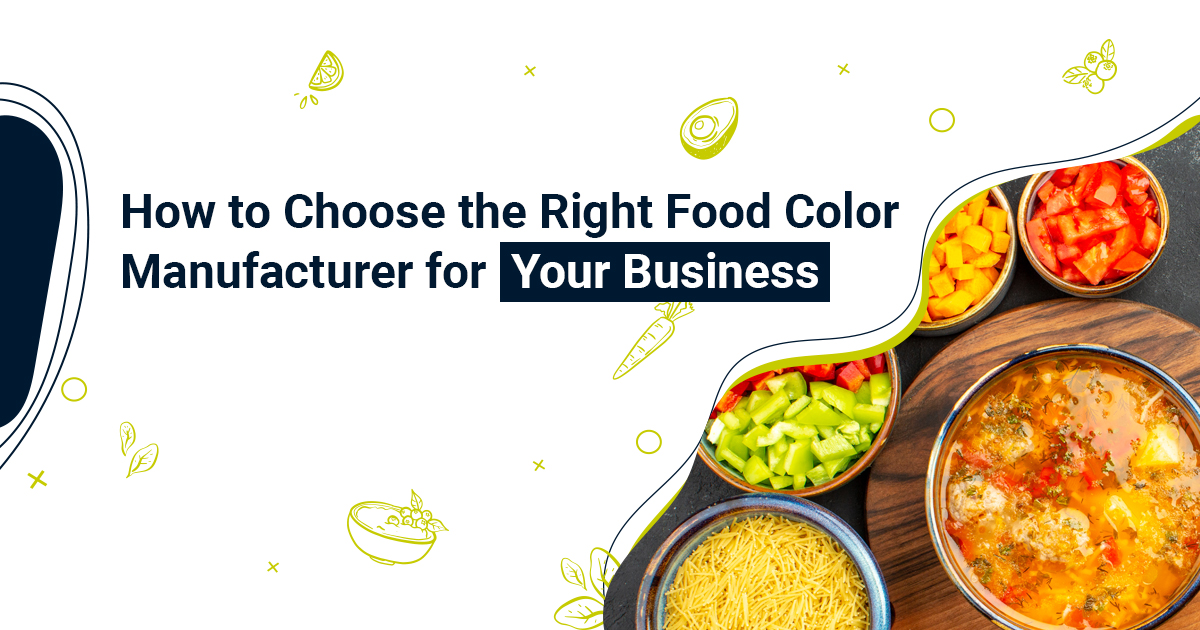
Food colors play the most crucial role in adding different colors, tastes, and flavors in the food and beverage industry. They are widely used to enhance the visual appeal of food products to make them more interesting or attractive to consumers. Since there are so many food color manufacturers, it’s important to use premium colors from reputable producers or suppliers.  This blog will help you understand how to choose the right food color manufacturers in India with a few tips and tricks. Food colors or coloring agents have been used for decades to provide a meal with different hues and flavors. Be it a food restaurant, cafe, or hotel, choosing the right food colors is important to ensure safe consumption in the first place.  If you are a business wondering how to choose the right food color manufacturers in India, continue reading this article further. What Are Food Colors? What is food coloring or food color? Food colors are dyes, pigments, or substances that impart colors with different hues and shades to enhance the aesthetic appeal of food & beverage products. They are easily available in powder, liquid, paste, or gel. Food colorings can be either natural or synthetic based on how they…

How to Choose the Right Food Color Manufacturer for Your Business Read More
What Are FD&C Colors? Uses and Benefits
Food Colors

What Are FD&C Colors? Uses and Benefits

The FD&C colors are synthetic dyes, colors, or colorants certified and approved by the U.S. Food and Drug Administration (U.S. FDA) for various industrial applications, including food, drugs, and cosmetics. These colors are used as food color additives to improve the visual appearance of products, offsetting color loss during processing or storage conditions, and providing more vibrant, brighter colors to colorless products.  In this blog, you will learn everything you need about FD&C colors and their uses and benefits in different applications. FD&C colors are widely used due to their capabilities to produce different colors with a wide range of hues and shades, making products more appealing to consumers’ eyes.  Many industries today use FD&C colors, synthetic dyes, and pigments to give products the desired color. The FDA has strict regulations and scrutiny to ensure the proper use of FD&C colors in different products.  Whether you’re an industrialist or an individual entrepreneur still wondering what FD & C colors are and why they are used in food, drugs, and cosmetics, continue reading this guide further. What are FD&C Colours? FD&C colors, also known as Food, Drug, and Cosmetic colors are synthetic food dyes or color additives that impart color to food, pharmaceuticals, and cosmetics.

What Are FD&C Colors? Uses and Benefits Read More

Innovative Uses of Food Colors in Cosmetics and Beauty Products
Food Colors

Innovative Uses of Food Colors in Cosmetics and Beauty Products

Food colors, dyes, or colorants are color additives used in food, cosmetics, and pharmaceuticals. Their primary use is to enhance the visual appearance of food products, making them more appealing to consumers. In this blog, we will explore the uses of food colors or colorants in cosmetics.  In addition to food and beverage and pharmaceutical products, food colors are widely used in cosmetics, providing a great sense of beauty to cosmetic products. Depending on how they are produced, food colors can be natural or synthetically derived. Choosing the right food colors is also an important concern whether they are used in cosmetics, food, or pharmaceutical dosage forms.  Natural food colors are derived from naturally occurring sources, including plants, greens, trees, vegetables, animals, or animals whereas synthetic food dyes are produced using coal-tar or petroleum-based chemicals. Whether you are a business or individual professional wondering about the uses of food colors in cosmetics, you’re already in the right place. What Are Food Colors? What is food coloring? As the name suggests “food colors” or “food coloring” are food dyes, pigments, or other substances that impart color to make food & beverages visually appealing, aesthetically pleasing, and interesting. Food colors are used as a

Innovative Uses of Food Colors in Cosmetics and Beauty Products Read More

FDA-Certified Colors: Ensuring Safety and Quality
Food Colors

FDA-Certified Colors: Ensuring Safety and Quality

Colorants, colors, or coloring agents are color additives that provide color to foods, cosmetics, pharmaceuticals, and other products. Color additives can be both synthetic substances and substances obtained from natural sources from natural sources. The use of food color additives improves the appearance of products and makes them more eye-catching to consumers. In this blog, you will learn how FDA-certified colors are identified.   The Federal Food, Drug, and Cosmetic Act requires FDA approval for food, drugs, cosmetics, or medical devices that come into contact with people or animals for an extended period. Color additives derived from coal-tar or chemical reactions, also known as coal-tar dyes must be certified and approved by the US FDA.  These color additives are also known as food dyes. If you are a business owner or entrepreneur wondering how FDA-certified colors are identified, continue reading this blog further. What Are FDA-Certified Colors? Under the Federal Food, Drug, and Cosmetic Act (FD&C Act), all color additives need FDA approval before they can be applied to foods, medicines, cosmetics, and medical devices designed for sale in the United States. Understanding FDA-certified colors is important for businesses as well as individual professionals.  The FDA requires food color manufacturers to apply for approval before launching new

FDA-Certified Colors: Ensuring Safety and Quality Read More

Synthetic Food Colors: Everything You Need to Know
Food Colors

Synthetic Food Colors: Everything You Need to Know

Synthetic food colors are becoming more popular, especially in growing economic countries like India and China. Until recently, it was permitted to add eight synthetic food dyes at a maximum level of 200 parts per million to specified foods. In this blog, we will explain everything you need to know about synthetic food colors.  The US FDA revised the regulatory provisions and made more stringent laws regarding synthetic food colors due to a wide prevalence of fraudulent practices such as using unpermitted colors or misusing permitted synthetic dyes or colors and the inherent toxicity of these dyes. It is imperative to generate data on the country’s dietary intake of food colors to obtain reductions in total exposure to uncertified colors.  Consumers can also play a crucial role in reducing their exposure to foodstuffs by requesting foodstuffs that don’t contain synthetic colors. It is because manufacturers add these colors to improve the appearance and consumer appeal. Whether you are a business or professional wondering what are synthetic food colors, you have come to the right place. The Use of Synthetic Food Colors Food and beverage manufacturers consider color one of the most important sensory properties. Color is one of the fastest ways consumers

Synthetic Food Colors: Everything You Need to Know Read More

Understanding USFDA Certified Colors
Food Colors

Understanding USFDA Certified Colors

Certified colors, also known as synthetic colors or colorants are color additives that are certified and approved for use in food & beverage items, drugs, and cosmetics. Certified colors are also known as artificial colors, which are further named FD&C numbers. The US FDA regulates and provides certification to these colors so they are also known as USFDA-certified colors. Well! This blog post will discuss what are US FDA-certified colors, and what are their uses and benefits in various industries.  Certified colors are widely used in various industrial applications providing more vivid, bright colors with different hues and shades. These certified colors are further called artificial colors and are popular because of their low cost, high color consistency, greater resistance to light, and ability to provide more vibrant, bright colors more efficiently.  The FDA requires certification and ensures that each batch of these colors is certified under stringent quality control and safety standards before approval. If are you still wondering what are the U.S. FDA-certified colors, then continue reading this further. What are USFDA Certified Colors? The term “USFDA-certified colors” is used for synthetic colors or artificial colors that undergo batch certification set by the US FDA for quality measurements and

Understanding USFDA Certified Colors Read More

What are Artificial Colors? What They Are and How They Affect You
Food Colors

What are Artificial Colors? What They Are and How They Affect You

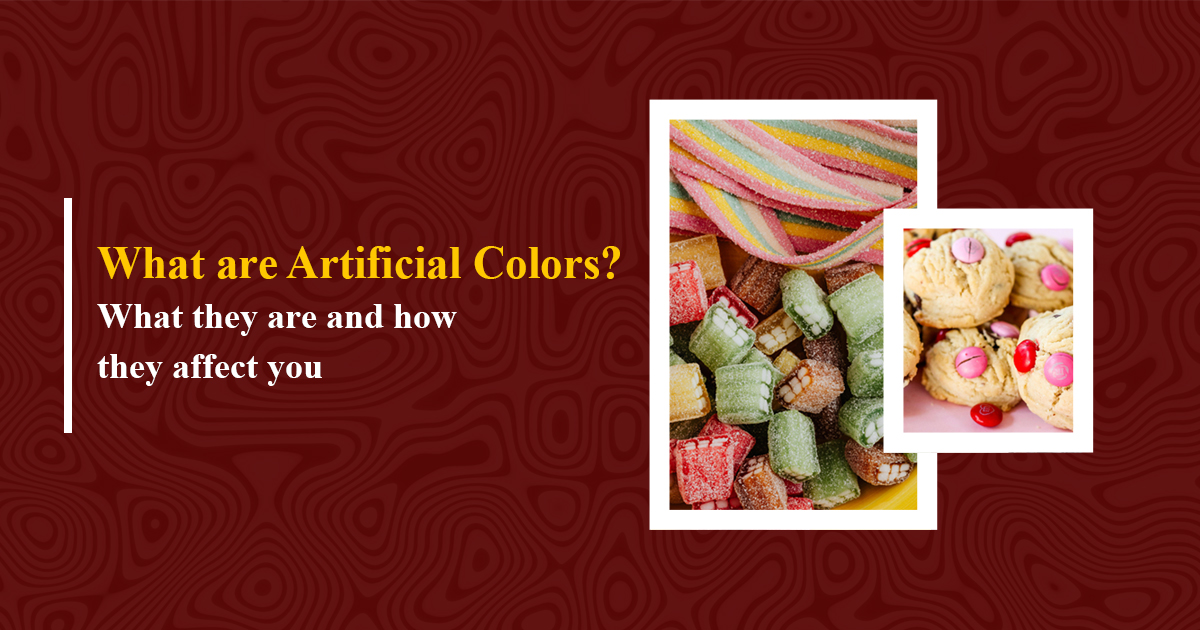
Artificial colors are food additives that impart color to improve the visual appearance of characteristics in food products. They are obtained from complex hydrocarbons, nitrogen, and sulfur ions through synthetic processes in a laboratory firm. Artificial colors are more durable, stable, and economical and offer a comprehensive range of vivid, bright colors. Artificial colors are available in different forms, including liquid, liquid-gel, gel-paste, powder, and oil-based. Unlike other cosmetic ingredients such as cosmetic color dyes and pigments, color additives must be certified and approved by the FDA before being them in consumer products under the Food, Drug, and Cosmetic (FD&C) Act.  The increasing importance of natural dyes or coloring additives in food and cosmetic products is a concern in light of the trend toward natural additives. Colors marketed as “natural” are not subjected to safety or quality checks before they are put on the market, despite meeting purity standards and limitations on use. If you are wondering what are synthetic dyes or artificial colors and what are their uses and benefits, continue reading this blog further.  So, without any further ado, let’s get started with the basics! What Are Artificial Colors? Artificial colors are man-made food colors or color additives that improve the aesthetic appearance

What are Artificial Colors? What They Are and How They Affect You Read More

Colouring Agents Advantages and Disadvantages of Food Coloring
Food Colors

Colouring Agents Advantages and Disadvantages of Food Coloring

Food colorings are dyes, colorants, or coloring agents widely used to impart colors to products they are applied to. The primary purpose of adding food coloring is to make the products more appealing and attractive to consumers. In this blog post, we will walk you through the advantages and disadvantages of food coloring. In addition, this guide will provide a basic understanding of different types of food coloring, including organic and synthetic food coloring. Be it candies, chocolates, ice creams, icings, or other food & beverage items, food colorings are widely used to enhance the overall look and feel of products. There are two types of food coloring: organic food colorings (mainly derived from natural sources, such as plants, trees, vegetables, animals, minerals, etc.) and synthetic food coloring (derived from coal-tar and petroleum-based chemicals. Both types of food colorings are applied in a variety of ways, but synthetic food coloring is most commonly used for coloring various foods. There is a big difference between natural dyes vs. artificial dyes, and each has its own pros and cons and areas of application. Without any further ado, let’s dive right into the top advantages and drawbacks of food coloring and their uses

Colouring Agents Advantages and Disadvantages of Food Coloring Read More

Tips For Choosing the Right Food Colors
Food Colors

Tips For Choosing the Right Food Colors

Colors have become a crucial part of everyone’s life. Life without colors would be impossible to think of. The importance of food colorings or colors can’t be ignored as they can make everything beautiful, appealing, and interesting, regardless of where they are applied. However, selecting the right colors for your desired applications is essential. This article will cover the best tips for choosing the right food colors for your products. The term “food color” refers to dyes, pigments, or anything else that adds color to foods and drinks. Whether foods, drugs, or cosmetics, the use of food colors is widespread for a variety of industrial applications. Organizations must focus on choosing the right food colors for their products to ensure quality and efficacy. Whether pigments, dyes, or food colors, each plays an equally important role in foods & beverages, drugs, cosmetics, and home and personal products. Let’s dive into the proven tips and tricks for choosing the right food colors or food dyes for your products. What are food dyes? Food dyes, also known as food coloring, color additives, or colorants refer to any dye, pigment, or substance that provides bright, vivid color when applied to certain food & beverage

Tips For Choosing the Right Food Colors Read More

Scroll to Top