February 2025

How Erythrosine is Made: A Simple Step-by-Step Guide
Dyes

How Erythrosine is Made: A Simple Step-by-Step Guide

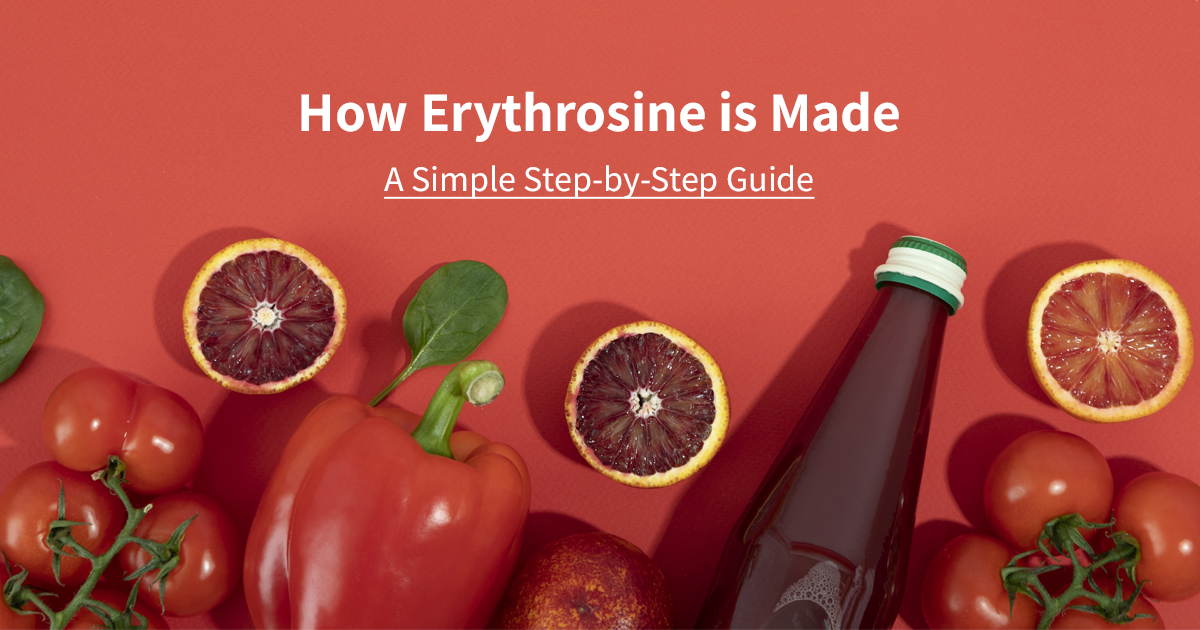
Introduction: Erythrosine, Red No. 3 or E127, is a synthetic red dye used in foods, cosmetics, and pharmaceuticals. Its bright pink hue is familiar in candies, cake decorations, and dental products. Chemists make the dye through a chemical process that involves several steps. Step 1: Creating Fluorescein The process begins with two basic chemicals: phthalic anhydride and resorcinol. When chemists heat these substances, they create fluorescein, a yellow-green compound that is the base for erythrosine. Step 2: Adding Iodine to Form Erythrosine Next, fluorescein undergoes iodination, which means it reacts with iodine and potassium iodide. This reaction replaces some hydrogen in fluorescein with iodine atoms, creating an erythrosine red compound. Read More: What Is Erythrosine: Are They Safe For Humans? Step 3: Stabilizing for Use in Products Erythrosine is often converted into its disodium salt form to make it suitable for use in various products. This form dissolves easily in water, making it ideal for use in foods and beverages. In acidic environments, chemists stabilize erythrosine with specific surfactants to keep it evenly distributed and prevent it from settling. Read More: Use and Application for Erythrosine? Conclusion Erythrosine is a product of careful chemical synthesis, transforming simple starting materials into…

How Erythrosine is Made: A Simple Step-by-Step Guide Read More
FD&C Pigments in Cosmetics: Uses, Safety & Benefits
Cosmetic Dyes

FD&C Pigments in Cosmetics: Uses, Safety & Benefits

Pigments are compounds that impart color when added to any material. They are used in countless industries, including fashion, art, medicine, and computer displays. Pigments are used primarily for industrial applications, including food, fabrics, plastics, cosmetics, inks, food, and paints. This blog will discuss FD&C pigments in cosmetics to ensure quality products for sensitive skin. Every woman uses some kind of color pigments in cosmetics daily, so knowing their color additives is vital. Based on their chemical structures, organic and inorganic pigments can be classified in diversified ways. Inorganic colorants, including iron oxides, chromium, ultramarine, etc., are used to color cosmetics. On the other hand, zinc oxide and titanium dioxide fall under white colorants mainly used in almost every cosmetic. Are you a business or individual professional wondering if FD&C pigments are used in cosmetics, you’re already in the right place. What Are FD&C Colorants? What are FD&C colors or dyes? FD&C colorants, also known as color or color additive refer to a dye, pigment, or any substance certified and approved by the FDA that puts color to food, drug, or cosmetics. Incorporating these additives improves the visual appearance of products with more vibrant and vivid colors making them more appealing, informative, and appetizing.  The

FD&C Pigments in Cosmetics: Uses, Safety & Benefits Read More

nderstanding_the_Fundamentals_of_Dyes_and_Pigments-1.jpg
Dyes, Pigments

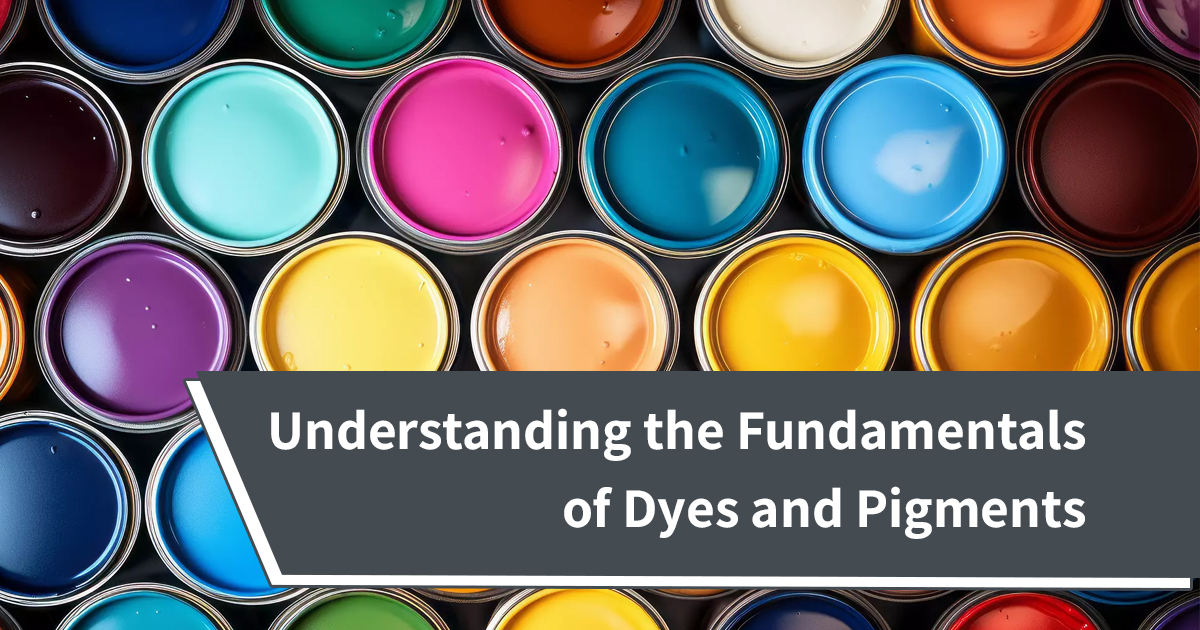
Understanding the Fundamentals of Dyes and Pigments

Both dyes and pigments are fundamentally different from each other, but their main purpose is to provide colors to colorless products to enhance their visual appearance. The dyes and pigments industry is huge creating a positive impact on society with lots of colors, shades, or hues. This article will walk you through the core fundamentals of dyes and pigments. Dyes and pigments are also capable of dissolving, forming solutions and chemically bonding with parts in addition to destroying crystal structures temporarily. The primary use of organic dyes is to provide color and are typically applied to enhance visual appearance, identification, branding, and more.  Dye compounds begin to function once they are dissolved in aqueous solutions. Dyestuff is another name for colored dyes. They have a variety of applications and are known as dyestuff.  Without any further ado, let’s dive right in! What Are Dyes? Dyes are colored substances that impart color to enhance the visual appearance of products or add color to colorless products. In other words, dyes refer to colored compounds that can be used to impart color to various substances, including paper, fabrics, hair, and food.  The use of dyes is widespread in different industry verticals, ranging from food,

Understanding the Fundamentals of Dyes and Pigments Read More

A_Complete_Guide_to_Pigment_Selection_for_Cosmetics-1.jpg
Cosmetic Dyes

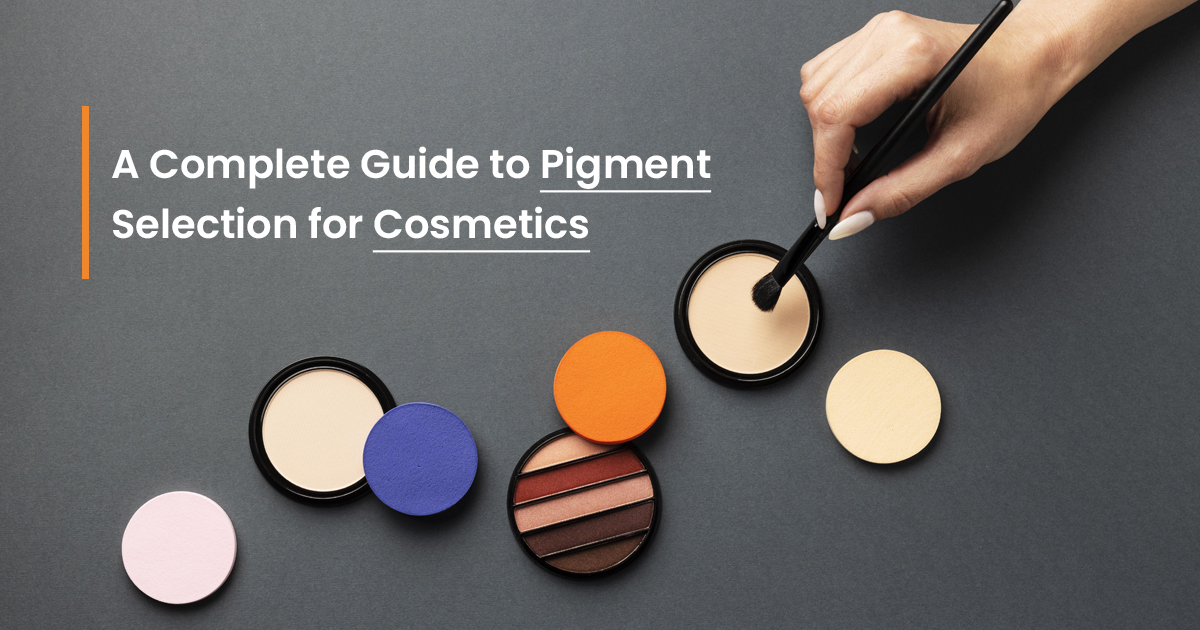
A Complete Guide to Pigment Selection for Cosmetics

Cosmetic pigments play an important role in cosmetic formulations, improving the visual appearance and functionality of cosmetic and personal care products more efficiently. Whether it’s eyeshadows, lipsticks, nail polishes, or other products, pigments help deliver quality products with different hues and colors. This blog will discuss pigment selection for cosmetic formulation.  Pigment colors for cosmetics and personal care products transform a basic product into an art form of beauty that captivates the senses and leaves a lasting impression. You will always find something fascinating about pigments; they represent an exciting journey through thousands of years, revealing how different cultures have decorated their world with color. However, choosing the right pigments for cosmetic formulations is essential for your business. The right pigment selection helps businesses obtain the desired product with greater color consistency, durability, and formulation. If you’re a business or individual professional considering pigment selection for cosmetic formulations, continue reading this blog. What Are Cosmetic Pigments? Cosmetic pigments are finely ground particles that impart color to improve the visual appearance of cosmetics and personal care products. They can be natural or synthetic and are available in various forms, such as liquids, pastes, and powders. The primary use of pigments is to

A Complete Guide to Pigment Selection for Cosmetics Read More

Exploring the Different Types of Natural Dyes
Natural Dyes

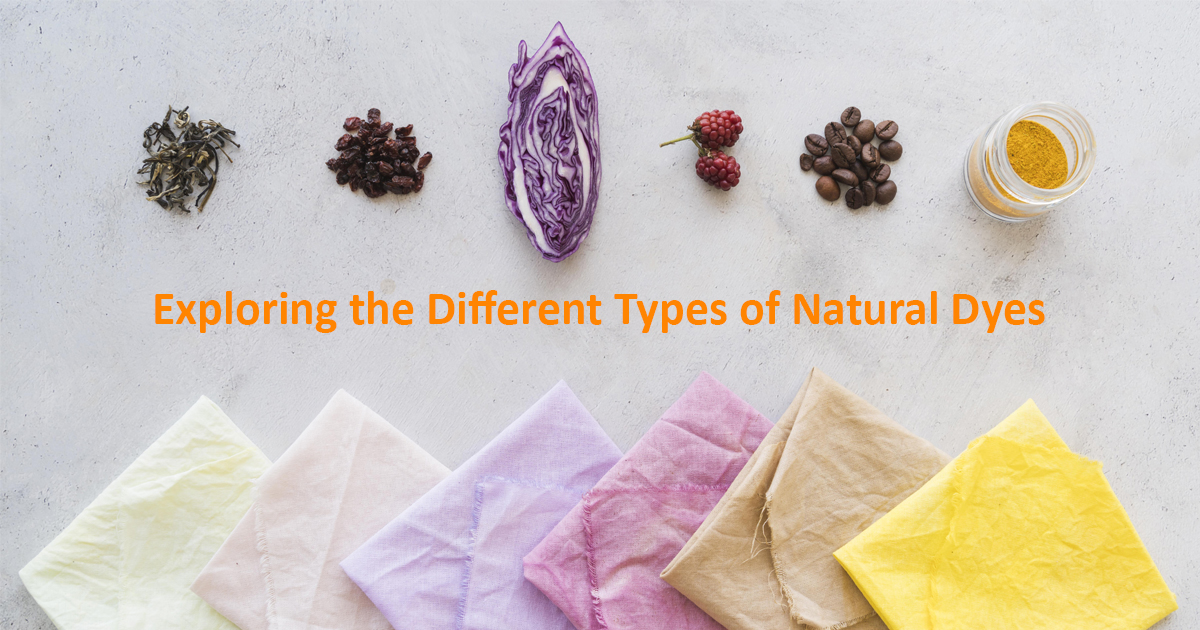
Exploring the Different Types of Natural Dyes

Natural dyes are colorants derived from naturally occurring sources, including plants, trees, vegetables, minerals, animals, etc. In ancient times, natural dyes were produced from wood, grass, roots, leaves, berries, nuts, seeds, or flowers. Today they are produced from green vegetables, minerals, animals, etc.  In this blog, we will discuss three types of natural dyes, including their advantages and disadvantages. The importance of natural dyes in foods and beverages can’t be overlooked due to their multiple health benefits. Generally, they are non-substantive and can be applied to textiles with the help of mordants.  Are you still wondering about different types of natural dyes and their uses and benefits, continue reading this blog further What are Natural Dyes? Natural dyes, also called natural pigments, refer to colors or pigments that are produced from naturally occurring sources, such as leaves, plants, roots, flowers, stems, animals, fruits, or natural-colored ores. These colors are mainly derived from insects, minerals, fungi, green plants, or invertebrates. Additionally, most natural dyes are also known as vegetable dyes due to the fact they are derived from various parts of plants, including seeds, leaves, stems, roots, bark, and wood. Insects, snails, or fungi are other popular biological sources of natural dyes or

Exploring the Different Types of Natural Dyes Read More

Understanding the Impact of Pharmaceutical Colors on Medicines
Pharmaceutical Colors

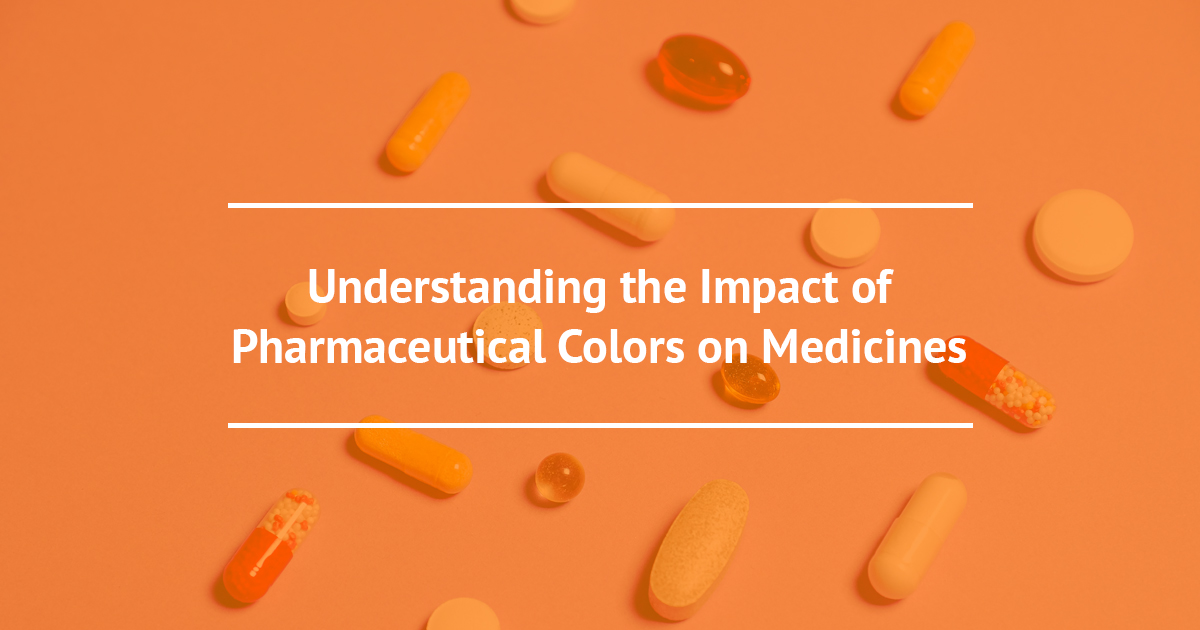
Understanding the Impact of Pharmaceutical Colors on Medicines

The pharmaceutical industry is crucial, requiring mindful attention to detail when choosing each component. Color formulation in medicines follows strict guidelines to prevent drug counterfeiting and ensure safe colors in the first place. This blog post will discuss what impact colors have on pharmaceutical products.  Pharmaceutical colors could be natural or synthetic, depending on the different processes, properties, and most importantly how they are produced. White, green, blue, red, yellow, and brown are a few examples of pharmaceutical colors widely used in medicines and different pharmaceutical dosage forms.  To ensure the safe & effective use of pharmaceutical colors, companies need to follow the U.S. FDA’s stringent guidelines and safety standards. Whether you’re a business or individual professional wondering about different pharmaceutical colors used in pharmaceutical industries, continue reading this blog. What are Pharmaceutical Colors? Pharmaceutical colors, dyes, or color additives derived from natural or synthetic substances to achieve the desired color with perfect formulation. The primary use of pharmaceutical colors helps in adding different colors with multiple hues and shades to improve product appearance. Color additives for pharmaceuticals add significant value to the products, making them more appealing and attractive to consumers. Additionally, colors are popular among various pharmaceutical industries, enhancing brand

Understanding the Impact of Pharmaceutical Colors on Medicines Read More

How to Choose the Right Food Color Manufacturer for Your Business
Food Colors

How to Choose the Right Food Color Manufacturer for Your Business

Food colors play the most crucial role in adding different colors, tastes, and flavors in the food and beverage industry. They are widely used to enhance the visual appeal of food products to make them more interesting or attractive to consumers. Since there are so many food color manufacturers, it’s important to use premium colors from reputable producers or suppliers.  This blog will help you understand how to choose the right food color manufacturers in India with a few tips and tricks. Food colors or coloring agents have been used for decades to provide a meal with different hues and flavors. Be it a food restaurant, cafe, or hotel, choosing the right food colors is important to ensure safe consumption in the first place.  If you are a business wondering how to choose the right food color manufacturers in India, continue reading this article further. What Are Food Colors? What is food coloring or food color? Food colors are dyes, pigments, or substances that impart colors with different hues and shades to enhance the aesthetic appeal of food & beverage products. They are easily available in powder, liquid, paste, or gel. Food colorings can be either natural or synthetic based on how they

How to Choose the Right Food Color Manufacturer for Your Business Read More

08-Top_Synthetic_Food_Dyes_and_Their_Common_Uses-1.jpg
Synthetic Dyes

Top Synthetic Food Dyes and Their Common Uses

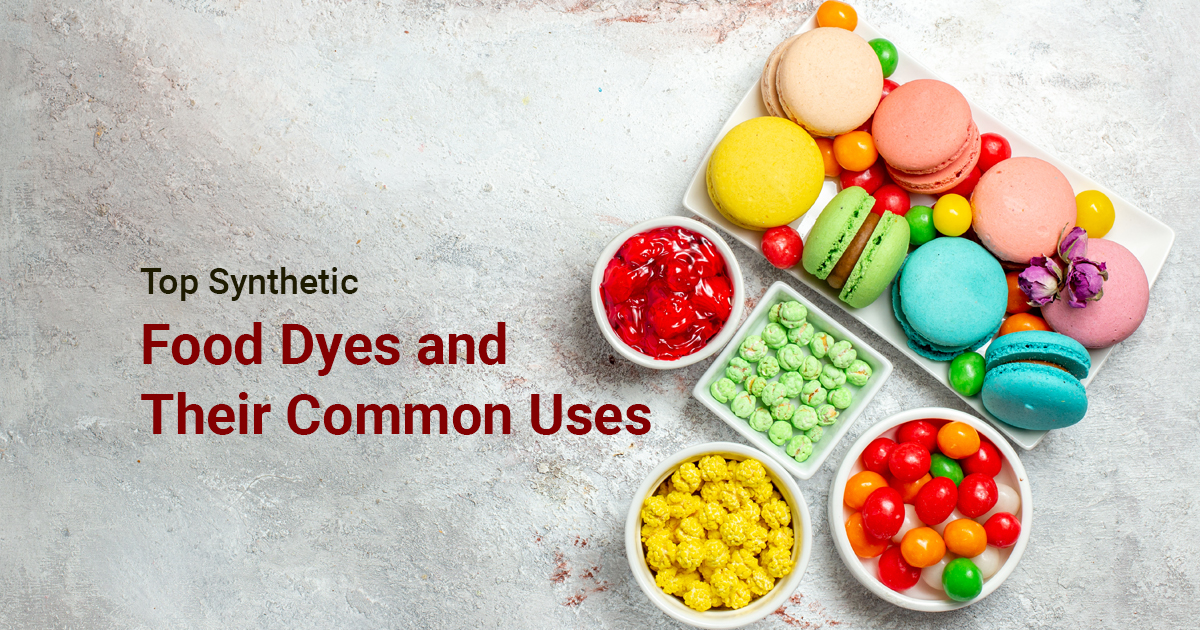
The most common synthetic food dyes are Red No. 40, Yellow No. 5, and Yellow No. 6, which are commonly used in food, drugs, or cosmetics. Synthetic food dye refers to any dye, pigment, or other substance that provides color to food, drugs, or cosmetics. Synthetic food color additives are important components of many products, making them attractive, appealing, appetizing, and informative.  In this blog, we will discuss the most common synthetic food dyes, including their uses and benefits.  The primary purpose of artificial food dyes is to provide different colors with various hues and shades to make products more appealing and attractive to consumers. The U.S. FDA monitors synthetic food dyes or color additives to ensure proper use and as directed on the label.  Whether you’re a business or an individual professional thinking about the most common synthetic food dyes, continue reading this blog. What Are Synthetic Food Dyes? Synthetic food dyes, also known as color additives, colors, or synthetic colors, are derived from coal-tar or petroleum-based chemicals and are used to make food, drugs, and cosmetics more appealing.  The most common synthetic food dyes are color additives widely used in a variety of applications, including drugs, cosmetics, and pharmaceutical dosage forms.  Types of Synthetic

Top Synthetic Food Dyes and Their Common Uses Read More

What Are Pigments in Food? A Simple Guide to Natural & Synthetic Colors
Pigments

What Are Pigments in Food? A Simple Guide to Natural & Synthetic Colors

Synthetic food pigments, also known as dyestuffs or synthetic food dyes impart color to the food, making them more appealing and attractive to consumers’ eyes. Synthetic food pigments are cost-effective, stronger, and longer-lasting than natural pigments identified in various food applications. In this blog, you will learn what pigments are used in food applications. Patent Blue V and Indigo Carmine are a few commercial names for synthetic food pigments. These food pigments are further classified into two major types: azo food pigments and non-azo food pigments. It is more common to categorize them by their predominant shades, for example, yellow, red, and blue pigments. Choosing the right food colors is essential when it comes to coloring food and beverage items.  These pigments are derived from mineral sources, making them the strongest & stable food colorants available. If you’re wondering about color pigments in food, including their uses and benefits, continue reading this blog. What Are Food Pigments? What are synthetic food pigments and why are they used in food and beverage items? Food pigments are chemical dyestuffs that provide color to food products. These pigments could be natural or synthetic and are widely used to enhance the color, taste, and appeal of

What Are Pigments in Food? A Simple Guide to Natural & Synthetic Colors Read More

Scroll to Top