December 2024

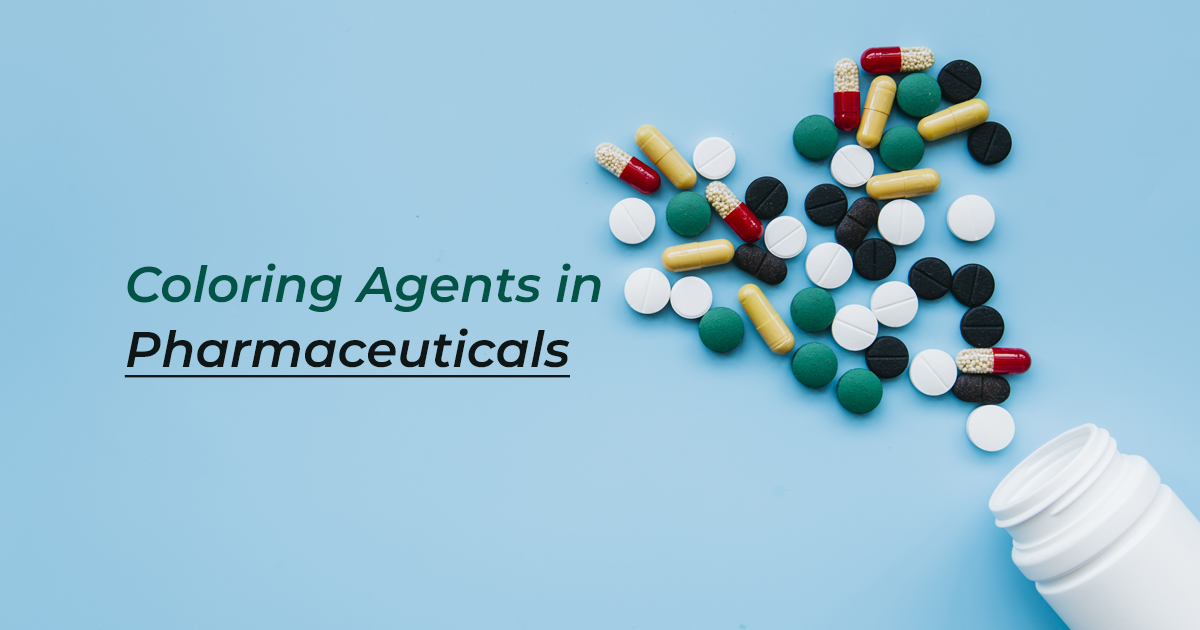
Coloring Agents in Pharmaceuticals
Pharmaceutical Colors

The Vital Role of Coloring Agents in Pharmaceuticals Explained

Coloring agents, colorants, or color additives refer to any dye, pigment, or substance used to impart colors to food, drugs, and cosmetics. Coloring agents are widely used in various industrial applications, including coloring foods, drugs, and cosmetics. In this blog post, we will talk about coloring agents in pharmaceuticals. The use of pharmaceutical coloring agents is widespread and is regulated by the U.S. FDA under certain regulations and stringent quality standards. The FDA regulates the use of coloring agents or color additives to ensure that products containing these dyes are safe to consume, only include approved ingredients, and are labeled accurately. It’s a common question to ask what pharmaceutical colors are and why they are added to dosage forms. Pharmaceutical colors or coloring agents are dyes or color additives most commonly used to enhance the appearance, increase the palatable value of products, and reduce the chances of drug counterfeiting. A lot of pharmaceutical manufacturers today rely on color additives for coloring tablets, capsules, syrups, and medical devices. Are you still wondering why use colors for pharmaceutical products and what benefits they provide to your business, you have landed in the right place. Here we will walk you through the use…

The Vital Role of Coloring Agents in Pharmaceuticals Explained Read More
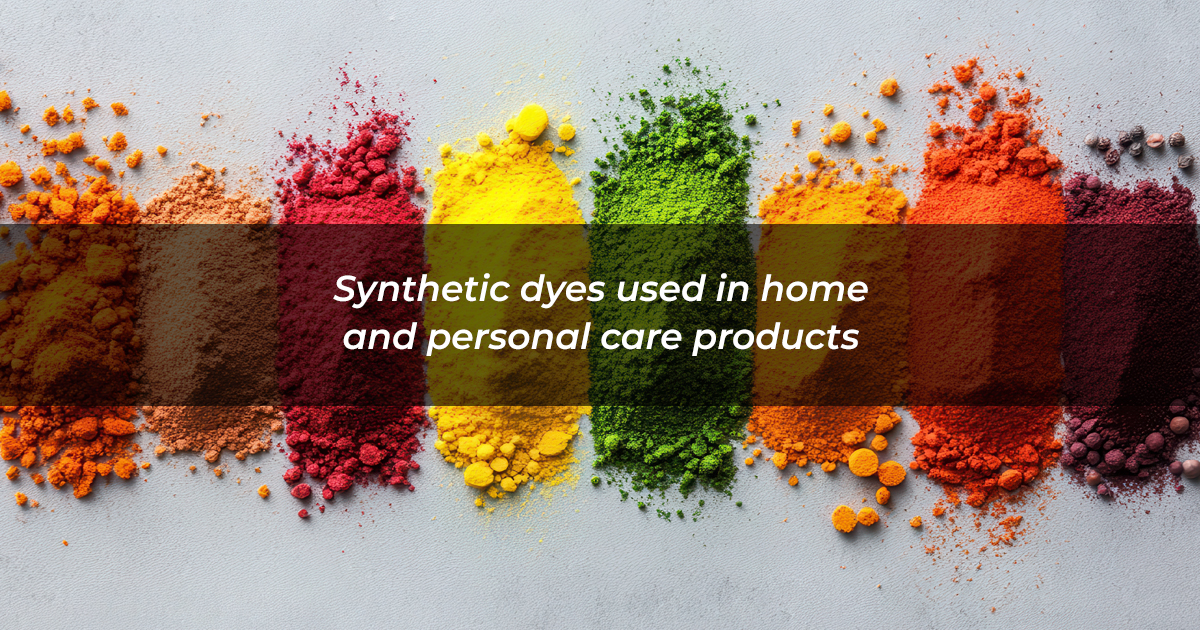
Synthetic dyes used in home and personal care products
Synthetic Dyes

Synthetic dyes used in home and personal care products

Synthetic dyes are widespread for a comprehensive range of industrial applications, including food, pharmaceuticals, cosmetics, and home & personal care products. They are also commonly used in coating & plastic and inkjet & printing dye applications. The primary objective of synthetic dyes is to enhance the visual appearance of a product to make it more appealing and attractive to consumers. The demand for these synthetic dyes or colorants is consistently growing with the increasing perception of people with the colors. More than 90% of people are likely to be attracted to a product and make their purchase decision by seeing its colors or visual appearance. Synthetic dyes or artificial colorants play an important role in improving the overall look and feel of the product. Whether it is food, pharmaceutical, cosmetics, or home & personal care products, you can easily find the uses of synthetic dyes in every product. However, there are certain rules, regulations, and guidelines on the proper use of synthetic dyes to ensure the safety and efficacy of a product. It is the US FDA that regulates, approves, and permits the use of synthetic dyes only when they pass its rigorous testing and quality standards. Cosmetic product manufacturers

Synthetic dyes used in home and personal care products Read More

What are Dyes: Understanding Different Types, Uses, and Properties
Dyes

What are Dyes: Understanding Different Types, Uses, and Properties

Dyes are used to color substrates to impart color to different products they are applied. Pigments are used to provide any polymeric substrate – but they are very different from dyes based on their mechanism and chemical properties. This article will discuss what dyes are, including their different types, uses, and properties. In simple terms, a dye is a coloring material that chemically bonds to the substrate where it is applied. There are different types of dyes, each of which is classified based on its solubility and chemical properties. The dyes are generally water-soluble, but some of the dyes are insoluble when salts are added. There are common types of dyes used in aqueous solutions, most of which require a mordant to make them fast to the fibers. If you are a business or individual professional seeking a detailed understanding of dyes, types, and properties, continue reading this blog further. Let’s dive into the different types of dyes, their uses, properties, and their importance for businesses. What are dyes? A natural or synthetic substance is used to provide color to change the appearance of certain dyes. Dyes are the coloring material that adds colors to our day-to-day use. The use

What are Dyes: Understanding Different Types, Uses, and Properties Read More

Colouring Agents Advantages and Disadvantages of Food Coloring
Food Colors

Colouring Agents Advantages and Disadvantages of Food Coloring

Food colorings are dyes, colorants, or coloring agents widely used to impart colors to products they are applied to. The primary purpose of adding food coloring is to make the products more appealing and attractive to consumers. In this blog post, we will walk you through the advantages and disadvantages of food coloring. In addition, this guide will provide a basic understanding of different types of food coloring, including organic and synthetic food coloring. Be it candies, chocolates, ice creams, icings, or other food & beverage items, food colorings are widely used to enhance the overall look and feel of products. There are two types of food coloring: organic food colorings (mainly derived from natural sources, such as plants, trees, vegetables, animals, minerals, etc.) and synthetic food coloring (derived from coal-tar and petroleum-based chemicals. Both types of food colorings are applied in a variety of ways, but synthetic food coloring is most commonly used for coloring various foods. There is a big difference between natural dyes vs. artificial dyes, and each has its own pros and cons and areas of application. Without any further ado, let’s dive right into the top advantages and drawbacks of food coloring and their uses

Colouring Agents Advantages and Disadvantages of Food Coloring Read More

The Truth About Synthetic Dyes Used for Food Coloring: Are They Safe for Consumption?
Synthetic Dyes

The Truth About Synthetic Dyes Used for Food Coloring: Are They Safe for Consumption?

Food colorings or additives are dyes, pigments, or substances that impart color when added to food or beverages. It’s hard not to put the food in your grocery bag or eat it right away when you step into the market – making food vibrant and more appealing. In this article, we will talk about synthetic dyes used for food coloring. If you’re wondering what are food dyes and how safe they are, you are in the right place. You can find food coloring everywhere whether you’re cooking at home or in a commercial kitchen. The products range from liquids to powders to gels to pastes. In addition to cosmetics, food colorants are used in many other applications, including medical devices, pharmaceuticals, and home craft projects. Food colors play an important role in the visual presentation of food, which is one of the most powerful effects of their use. Some food colors and flavors have been approved for consumption by the U.S. FDA and FSSAI (Food Safety and Standards Authority of India). Let’s dive into the different types of food dyes used for food coloring. Importance Of Colors in Foods? Color can affect how people perceive food flavors in anything from

The Truth About Synthetic Dyes Used for Food Coloring: Are They Safe for Consumption? Read More

What are Pharmaceutical Colors? A Deep Dive into Basics & Uses
Pharmaceutical Colors

What are Pharmaceutical Colors? A Deep Dive into Basics & Uses

Pharmaceutical colors, colorants, or coloring agents play a vital role in improving the visual appearance and making the products more attractive and eye-catching to consumers with different colors and hues. It’s human behavior that tends to like products that look way more aesthetically pleasing than products with dull colors. In this blog post, we will discuss what are the pharmaceutical colors or colorants used in tablet coating. These pharmaceutical colorants can be both natural & synthetic colors, making it crucial for businesses to choose the right colors for their products. Businesses looking to achieve the perfect matching and the desired product should prioritize choosing superior quality synthetic dyes and pigments from a reputed manufacturer and exporter of chemical dyestuffs. However, the US FDA has safety compliance, stringent rules, and regulations on the usage of these color additives in pharmaceuticals to ensure safe human consumption and reduce the chances of drug counterfeiting. Blue, Red, Yellow, White, Brown, and Green are the most popular pharmaceutical colors used widely in the pharmaceutical industry. Let’s dive into the different types of pharmaceutical colors or colorants used in tablet coatings. Here we go with the basic definition of pharmaceutical colors. What are pharmaceutical colors? The

What are Pharmaceutical Colors? A Deep Dive into Basics & Uses Read More

Ultimate Guide for Choosing Dyes and Chemicals
Dyes

Ultimate Guide for Choosing Dyes and Chemicals

The importance of dyes and pigments can’t be overlooked as they provide brighter, more vibrant colors to make the product visually appealing and pleasing to the eye. With so many dyes and chemicals available in the market, choosing the right dyes and chemicals is crucial for the ultimate success. In this blog, we will provide the essential guide for choosing the right dyes and chemicals for your products. Dyes and pigments are widely used to improve the look and feel of products, including foods, pharmaceuticals, cosmetics, home and personal care items, clothing, printed materials, etc. The popularity of dyes and pigments has grown significantly due to several advances it provide to businesses, including cost-effectiveness, durability, and a tendency to produce more vivid colors. When it comes to choosing the best dyes and chemicals, there are various factors you need to consider, including color intensity, purity, consistency, durability, solubility, application types, target prospects, and ultimately the business goals. Let’s dive into the tips and tricks for choosing dyes and chemicals for your industrial application. Understanding Dyes and Chemicals Dyes are water-soluble chemical substances that provide various colors to objects to which they are applied. Natural and synthetic dyes are the two

Ultimate Guide for Choosing Dyes and Chemicals Read More

Tips For Choosing the Right Food Colors
Food Colors

Tips For Choosing the Right Food Colors

Colors have become a crucial part of everyone’s life. Life without colors would be impossible to think of. The importance of food colorings or colors can’t be ignored as they can make everything beautiful, appealing, and interesting, regardless of where they are applied. However, selecting the right colors for your desired applications is essential. This article will cover the best tips for choosing the right food colors for your products. The term “food color” refers to dyes, pigments, or anything else that adds color to foods and drinks. Whether foods, drugs, or cosmetics, the use of food colors is widespread for a variety of industrial applications. Organizations must focus on choosing the right food colors for their products to ensure quality and efficacy. Whether pigments, dyes, or food colors, each plays an equally important role in foods & beverages, drugs, cosmetics, and home and personal products. Let’s dive into the proven tips and tricks for choosing the right food colors or food dyes for your products. What are food dyes? Food dyes, also known as food coloring, color additives, or colorants refer to any dye, pigment, or substance that provides bright, vivid color when applied to certain food & beverage

Tips For Choosing the Right Food Colors Read More

Scroll to Top