Pigments

Pigments are substances that reflect certain light wavelengths, creating visible colors. Used in art, textiles, and more, pigments add vibrancy and durability to materials we see every day.

What kind of pigments are used for cosmetics?
Pigments

What kind of pigments are used for cosmetics?

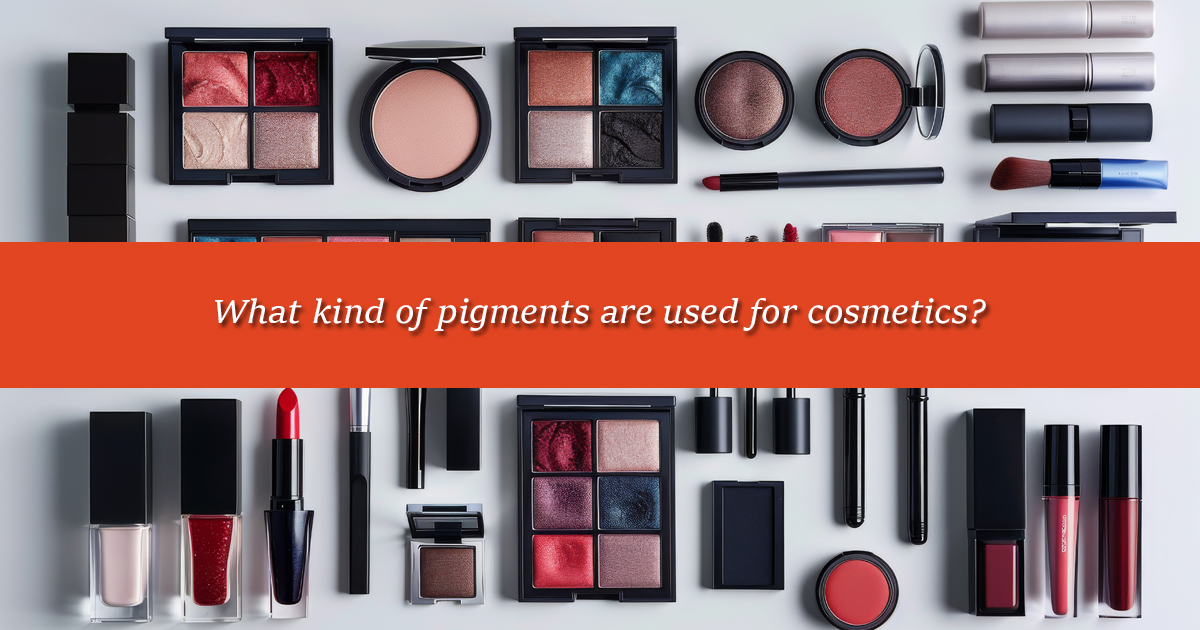
A pigment is a powder used to add color or change the visual appearance of a product. Pigments are a type of compound color that is applied to any material to provide a desirable color. The uses of pigments are popular worldwide in different applications, including cosmetics, fashion, art, medicine, and even computer displays.  In this blog post, we will walk you through different types of pigments used in cosmetics and personal care products. The majority of dyes and pigments applications can be seen in the cosmetic, drugs, food, textile, chemical, plastics, and paint industries. When it comes to using products with these pigments, it is crucial to apply high-quality products to the skin. No doubt, almost every woman today uses some kind of cosmetics daily, making it crucial to understand what kinds of pigments and color additives they contain in cosmetics. Talking about superior quality pigment colors, Hridhan Chem Pvt. Ltd. is India’s leading manufacturer and supplier of dyes and pigments that follow stringent FDA safety measurements and quality standards to ensure 100% reliability and efficacy.  So, let’s dive right into the different kinds of pigments used for cosmetics. Here we go with the basic definition of pigments.  What Are Pigments? A pigment refers to a powder…

What kind of pigments are used for cosmetics? Read More

Top Trends in Cosmetic Pigment Colors for 2025
Pigments

Top Trends in Cosmetic Pigment Colors for 2025

Color plays the most significant role in the cosmetic industry, which is ever-growing with the increasing use of new and more vibrant colors. The cosmetic industry has access to a comprehensive color portfolio, including a wide selection of organic dyes and pigments that are approved and permitted by the U.S. FDA. This blog post will discuss the top trends in cosmetic pigment colors for 2024. These pigments include high-purity iron oxides, a wide selection of inorganic chemistries, certified dyes, easy dispersions, and a diverse array of sparkling effect pigments. Based on their strengths and chemical properties, there is a significant difference between dyes and pigments.  Lip balms, lipstick, foundation, eyebrow pencils, contours, highlighters, blushers, eyeliners, and concealers are some of the most common cosmetic products that use these colors in the marketplace. If you wonder what color trends are booming in the cosmetic industry, you have come to the right place.  Top trends in cosmetic pigment colors for 2025 The following are the top trends used in cosmetic pigments, including but not limited to: Peach: The color varies from rose pinks to soft oranges with golden tones and matches a wide range of skin tones. Golden Terra: Warm browns that embody sustainability and simplicity, and are

Top Trends in Cosmetic Pigment Colors for 2025 Read More

What is pigment and what role does it play in the way we see colors?
Pigments

What is pigment and what role does it play in the way we see colors?

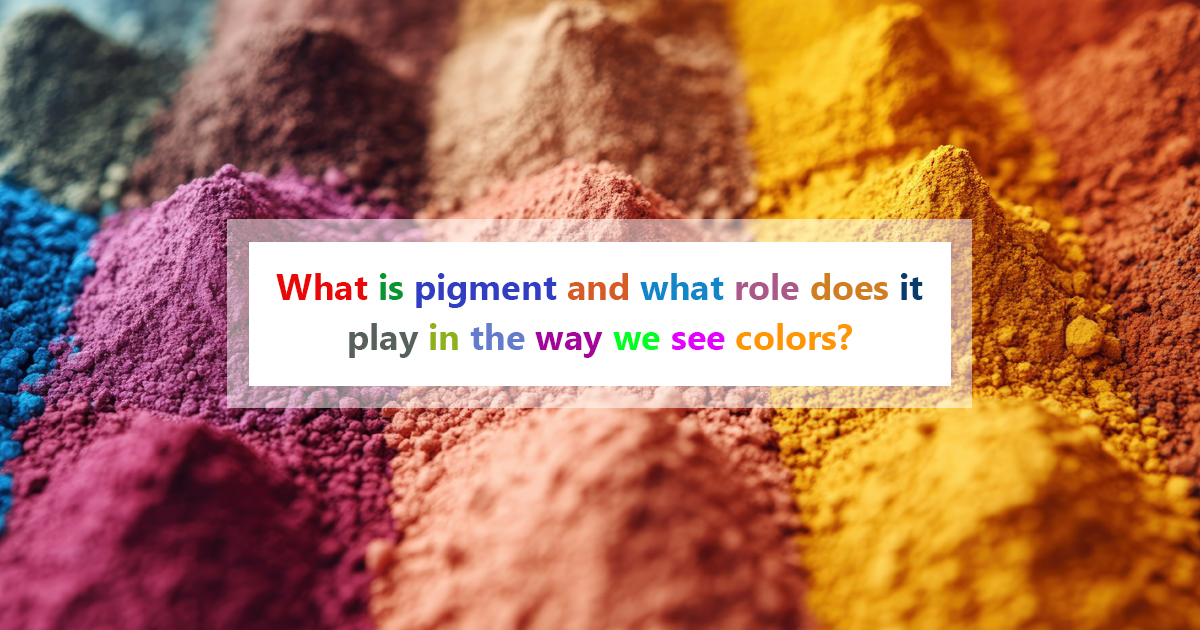
A pigment is a powder that imparts colors to enhance the visual appearance. Pigments are inorganic compounds completely insoluble in water and most solvents, whereas dyes are colored substances that are soluble in water and other mediums. Both dyes and pigments are different from the other and each functions differently and serves different purposes.  Alright! In this blog post, we will discuss what is pigment and what role it plays in the way we see colors. The pigment is mainly used to impart colors to a material they are applied. Furthermore, cosmetic color dye pigments are broadly used for coloring different cosmetic products, such as eyeliner, lipstick, glow cream, etc.  The main purpose of using pigments is to enhance the visual appearance of products and make them more appealing to customers.  Additionally, the use of pigments is widespread in cosmetics and home and personal care products. If you are still wondering what is pigment and what role it plays in the way we see colors, continue reading this blog further. So, without any further ado, let’s get started with the basics! What is a Pigment? Pigments are classified as inorganic pigments and organic pigments or colored substances used to change the appearance of a

What is pigment and what role does it play in the way we see colors? Read More

What are the Various Uses of Pigments?
Pigments

What are the Various Uses of Pigments?

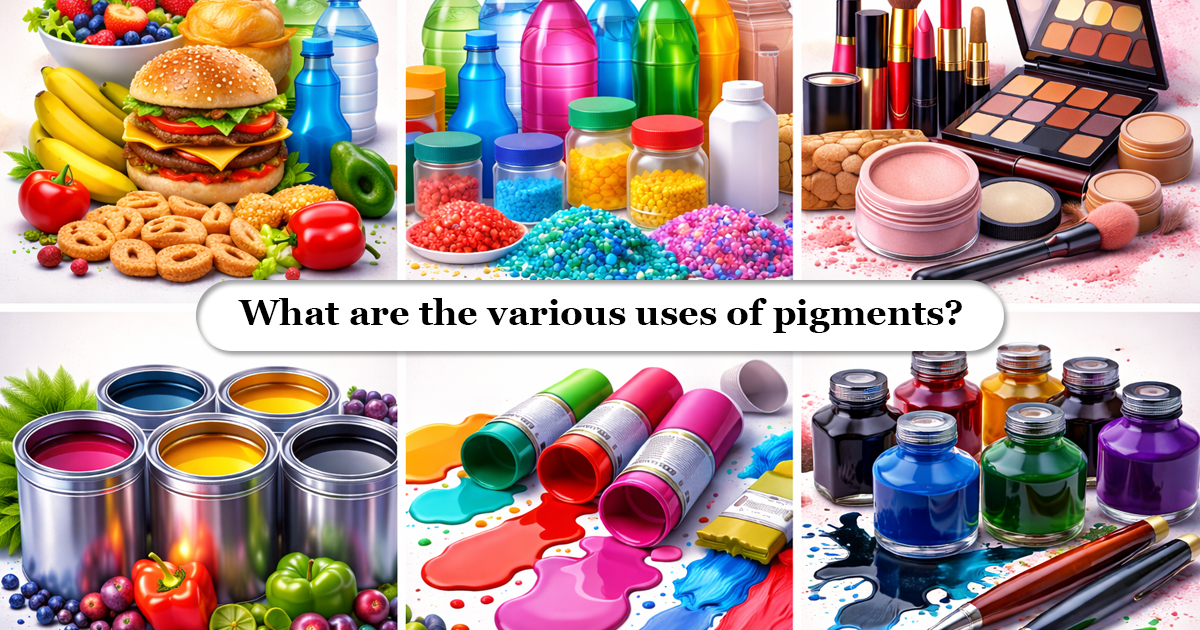
A pigment is a material that provides color to a material by reflecting and transmitting light after absorbing the specific wavelength of light. In simple words, pigments are substances that absorb certain wavelengths of light to provide colors to materials. In this blog post, we will talk about various uses of pigments in different industrial applications.  The main objective of pigments is to provide color to various materials to which they are applied. Many of us think that pigments and dyes serve the same purpose, but there is a major difference between dyes and pigments. Pigments are insoluble in water and many solvents while dyes are completely soluble in water and other solvents and materials.  There are two types of pigments: Inorganic pigments and organic pigments while dyes are classified as natural dyes and synthetic dyes. Pigments are used for coloring cosmetics, inks, paints, and plastics, whereas dyes are widespread for food, drugs, textiles, and the paper industry. So, without any further a do, let’s understand the different uses of pigments in various industries. What are Pigments? A pigment is a powder or substance that offers color to change the look and feel or visual appeal of a material to which

What are the Various Uses of Pigments? Read More

Key Differences Between Dyes and Pigments Explained
Pigments

Key Differences Between Dyes and Pigments Explained

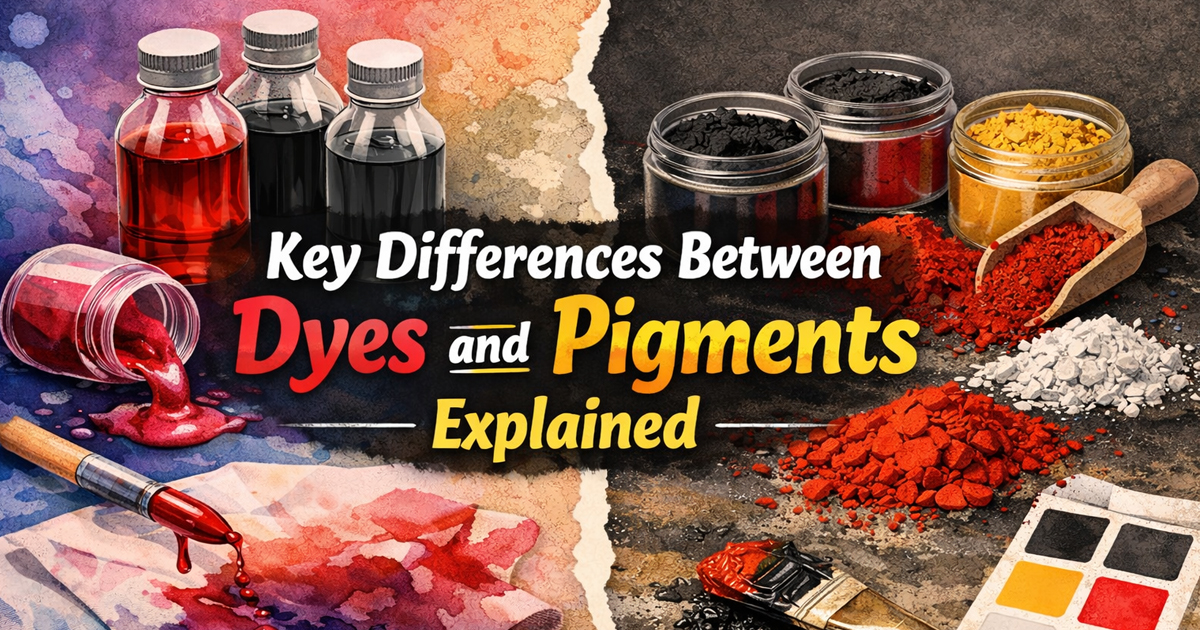
Dyes and pigments are the main types of colorants widely used for coloring different materials they are applied. The difference between dyes and pigments is their solubility: dyes are soluble in water and pigments are insoluble and are dispersed in a binder or medium. In this blog, we will discuss what is the difference between dyes and pigments.  Dyes and pigments behave differently because of their particle size, making them distinct. Both dyes and pigments are used as colorants in various industrial applications, ranging from food, drugs, and cosmetics to home and personal care products.  If you are wondering what are dyes and pigments and what differentiates them from each other, then you have come to the right place. Continue reading this blog further to get a better understanding of the difference between dyes and pigments. Basic Understanding of Dyes? Many of us often wonder what are dyes and how they are produced. Dyes are colored substances used to provide color to materials they are applied. Dyes provide more vibrant, brighter colors that offer greater stability and durability and don’t fade away over time.  Synthetic dyes and Natural Dyes are two main types of dyes widely used for coloring different materials. When it comes

Key Differences Between Dyes and Pigments Explained Read More

Unlock the Secrets: A Deep Dive into the Classification of Dyes and Pigments
Pigments

Unlock the Secrets: A Deep Dive into the Classification of Dyes and Pigments

Until the discovery of synthetic dyes and pigments, natural colorants such as flowers, plants, and minerals were the only sources of natural colorants. There has been a massive increase in the number and kind of colorants, making their classification mandatory. In this guide, we will discuss the classification of dyes and pigments.  What are dyes and pigments? How they are produced? And what are the classifications of dyes and pigments? Dyes or colorants are categorized according to various factors, like structure, source, color, solubility, and application.  They are divided into two categories: dyes and pigments based on the chemical structure and application method of dyes. Azo dyes are classified as anthraquinone, anthraquinone-containing dyes, indigo dyes, phthalocyanine dyes, sulfur dyes, nitro dyes, and nitroso dyes based on the chemical structure of the dyes. Based on the application method, pigments were grouped as reactive, dispersed, acid, basic, direct, and vat dyes. Nonetheless, based on their chemical composition, pigments can also be considered organic versus inorganic. So, let’s dive right into the classification of dyes and pigments and understand their significance in various industries. What are dyes and pigments? Dyes and pigments are both substances that impart color to different materials, although they work

Unlock the Secrets: A Deep Dive into the Classification of Dyes and Pigments Read More

Understanding The Difference between Dyes and Pigments
Dyes, Pigments

Understanding The Difference between Dyes and Pigments

What are dyes? Dyes are colorants that dissolve in liquids like water or alcohol and stick to materials to add color. Because they are soluble, dyes penetrate substrates—such as fabric, paper, or leather—and integrate into the material. This process produces rich, vibrant coloration, which can vary in intensity based on the dye type and application method. Chemists commonly classify dyes based on their chemical structure and how they interact with different materials. Examples include: Reactive dyes (used for cotton and cellulose fibers) Acid dyes (ideal for silk, wool, and nylon) Direct dyes (for easy application on cotton and linen) Basic dyes (for synthetic fibers like acrylic) Many industries, such as textiles, leather, paper, food, pharmaceuticals, and cosmetics, use dyes because of their bright colors and how easily they mix with different materials. However, dyes often need the right temperature, pH, and time to work well, and they may not hold up as well as pigments against light, heat, or washing. Read More: Understanding the fundamentals of Dyes and Pigments What are Pigments? Because pigments don’t dissolve in liquids, manufacturers blend them with materials like oil, resin, or acrylic to apply them smoothly. Unlike dyes, pigments do not penetrate the surface

Understanding The Difference between Dyes and Pigments Read More

Scroll to Top