Blog

Understanding USFDA Certified Colors
Food Colors

Understanding USFDA Certified Colors

Certified colors, also known as synthetic colors or colorants are color additives that are certified and approved for use in food & beverage items, drugs, and cosmetics. Certified colors are also known as artificial colors, which are further named FD&C numbers. The US FDA regulates and provides certification to these colors so they are also known as USFDA-certified colors. Well! This blog post will discuss what are US FDA-certified colors, and what are their uses and benefits in various industries.  Certified colors are widely used in various industrial applications providing more vivid, bright colors with different hues and shades. These certified colors are further called artificial colors and are popular because of their low cost, high color consistency, greater resistance to light, and ability to provide more vibrant, bright colors more efficiently.  The FDA requires certification and ensures that each batch of these colors is certified under stringent quality control and safety standards before approval. If are you still wondering what are the U.S. FDA-certified colors, then continue reading this further. What are USFDA Certified Colors? The term “USFDA-certified colors” is used for synthetic colors or artificial colors that undergo batch certification set by the US FDA for quality measurements and…

Understanding USFDA Certified Colors Read More

Phloxine B (Acid Red 92) & D&C Red 28: Safety Rules You Need to Know
Pigments

Phloxine B (Acid Red 92) & D&C Red 28: Safety Rules You Need to Know

Phloxine B, also known as phloxine is a water-soluble red dye widely used for coloring cosmetics and drugs in the United States and coloring food in Japan. It is produced from fluorescein, however, it seems different with the presence of four bromine atoms at positions 2, 4, 5, and 7 of the xanthene ring and four chlorine atoms in the carboxyphenyl ring. A maximum absorption wavelength of 540 nm is observed in phenloxine B and a maximum emission wavelength of 564 nm is observed in phenloxine B. In addition to its industrial applications, the antimicrobial substance phloxine B has also been used in biological staining, viability dye, and antiseptic preparations. The effects of Phloxine B, Acid Red 92 are inhibited by chemically damaging xanthene compounds, which are xanthene dyes used as photosensitizers in antimicrobial photodynamic therapy (APDT) to inhibit mycobacterial growth and fungal infection, such as fungal keratitis. The cytoplasm and connective tissue of cells are stained red with hematoxylin-phloxine-saffron (HPS). What is Phloxine B (Acid Red 92)? Phloxine B, also called phloxine and Acid Red 92, is a red, water-soluble dye used for coloring food and beverage items in Japan and drugs and cosmetics in the United States. Fluorescein is the

Phloxine B (Acid Red 92) & D&C Red 28: Safety Rules You Need to Know Read More

Why Coloring Agents Are Added to Medicines: Benefits & Risks
Pharmaceutical Colors

Why Coloring Agents Are Added to Medicines: Benefits & Risks

Pharmaceutics is one of the most important industries where each component is chosen with keen attention to detail. Pharmaceutical industries need to follow the guidelines for color-coding medicines to ensure safety and drug efficacy. In this blog post, you will learn why coloring agents are added to medicines and how they are becoming more popular in the pharmaceutical industry. Government authorities have issued some guidelines to combat drug counterfeiting and the use of harmful colors. Blue, green, red, white, and brown are some of the most commonly used coloring agents in pharmaceuticals that are popular worldwide. Synthetic and natural ingredients are used to create these colors.  A lot of considerations need to be taken into account when it comes to pharmaceutical color measurement cause drugs require color formulation. It has been proven that colors have psychological effects that help accelerate the healing process. Moreover, in cases of pediatrics, color is often combined with flavor to make ingesting drugs easier.  The appearance of the food has a natural relationship with the taste in such cases. Pharmaceutical dyes must be applied with a great deal of consistency, which is accomplished through color measurement and control. If you are wondering what are pharmaceutical colors and why colors

Why Coloring Agents Are Added to Medicines: Benefits & Risks Read More

Difference Between Organic Pigments and Inorganic Pigments
Pigments

Difference Between Organic Pigments and Inorganic Pigments

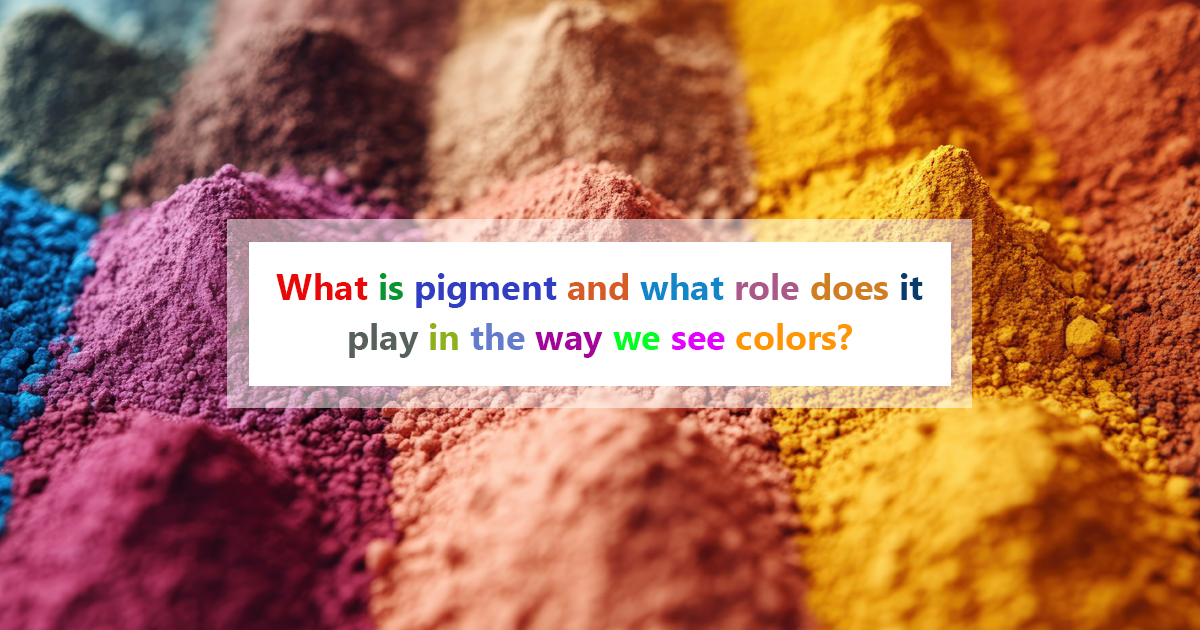
Colors have become an essential part of our day-to-day lives. Colors serve both aesthetic and functional purposes, from the clothing we wear to the cosmetics we use to the food we eat and how we communicate as a part of our daily lives. This blog will help you understand the key differences between organic and inorganic pigments, including their uses, benefits, and characteristics.  The production of colors is an important part of the industry, but what are the processes behind it? The use of pigments is widespread in the production of colorants for pharmaceuticals, food & beverages cosmetics, and textiles. Pigments are solid materials that can not dissolve in water and are used to provide colors and appearance.  Since they are water-insoluble, fine powders are ground up, mixed into the solution, and added to the medium. Pigments absorb certain wavelengths of light and alter how light is transmitted or reflected off a surface. Organic and inorganic are the two main types of pigments used today.  Both organic and inorganic pigments are used to provide certain colors to products, but there are many considerable differences you should know about them. Understanding the Pigments? Pigments are nothing more than organic or inorganic coloring materials

Difference Between Organic Pigments and Inorganic Pigments Read More

What are Artificial Colors? What They Are and How They Affect You
Food Colors

What are Artificial Colors? What They Are and How They Affect You

Artificial colors are food additives that impart color to improve the visual appearance of characteristics in food products. They are obtained from complex hydrocarbons, nitrogen, and sulfur ions through synthetic processes in a laboratory firm. Artificial colors are more durable, stable, and economical and offer a comprehensive range of vivid, bright colors. Artificial colors are available in different forms, including liquid, liquid-gel, gel-paste, powder, and oil-based. Unlike other cosmetic ingredients such as cosmetic color dyes and pigments, color additives must be certified and approved by the FDA before being them in consumer products under the Food, Drug, and Cosmetic (FD&C) Act.  The increasing importance of natural dyes or coloring additives in food and cosmetic products is a concern in light of the trend toward natural additives. Colors marketed as “natural” are not subjected to safety or quality checks before they are put on the market, despite meeting purity standards and limitations on use. If you are wondering what are synthetic dyes or artificial colors and what are their uses and benefits, continue reading this blog further.  So, without any further ado, let’s get started with the basics! What Are Artificial Colors? Artificial colors are man-made food colors or color additives that improve the aesthetic appearance

What are Artificial Colors? What They Are and How They Affect You Read More

Advancements in Pigment Technology for Environmental Safety
Pigments

Advancements in Pigment Technology for Environmental Safety

There is a growth opportunity for pigments in the upcoming years since end-use industries such as paints, coatings, plastics, and inks will be calling for more pigments. Research shows that the global pigment market will be worth US $67.4 billion by 2033 from US$39.8 billion in 2023. In this blog post, we will talk about advancements in pigment technology for environmental safety. You can find various uses of pigments in a wide range of industry verticals, from food and beverages to cosmetics and pharmaceuticals. The need to enhance the color and durability of these products is often met with pigments, increasing interest in eco-friendly and sustainable organic pigments. So, without any further ado, let’s get started. Advancements in Pigment Technology for Environmental Safety Researchers are exploring how light, temperature, and pH affect pigment stability and color, which may result in innovations and business opportunities. As pigment production technology advances and pigment usage increases in the food and beverage industry, the market is expected to grow at a faster rate.  Global pigment market growth has been driven by growth in emerging economies such as India, China, and Brazil, which experience significant growth in construction, automotive, and other end-of-life industries. Therefore, it

Advancements in Pigment Technology for Environmental Safety Read More

Natural vs Synthetic Cosmetic Pigments: Which Is Better for Your Skin?
Cosmetic Dyes

Natural vs Synthetic Cosmetic Pigments: Which Is Better for Your Skin?

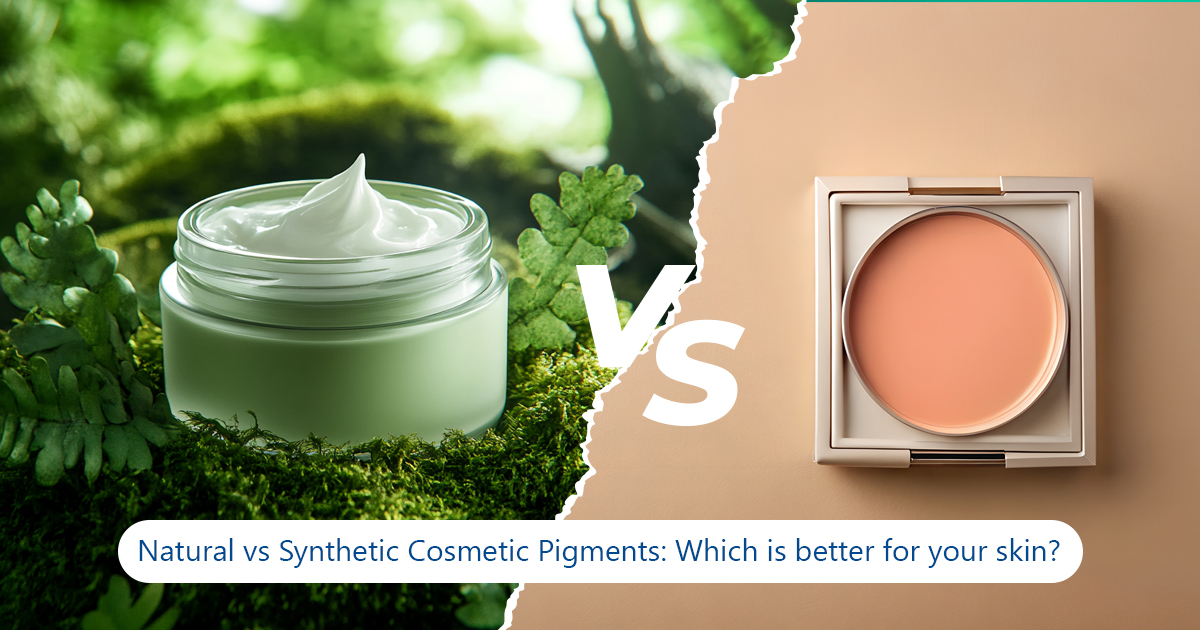
Cosmetic pigments are finely ground insoluble particles for coloring cosmetics and personal care products. Pigments play a crucial role in cosmetics for coloring various cosmetic products, including nail polish, makeup, and soap. In this blog, we will discuss natural vs synthetic cosmetic pigments and explore which is better for your skin.  Cosmetic pigments can be organic or inorganic, derived from natural sources, or synthetically processed in a laboratory. They are mainly classified as natural cosmetic pigments and synthetic cosmetic pigments, each with its properties and different use cases.  There has been a continuous debate between natural food colors vs. synthetic food colors based on their different strengths and properties. The importance of synthetic dyes and pigments lies in their ability to produce more vibrant, bright colors than natural dyes and pigments.  Are you a business or an individual professional wondering what are natural and synthetic cosmetic pigments and which one works best for your skin, continue reading this blog further.  So, without any further ado, let’s get started!  What are Cosmetic Pigments? Cosmetic pigments are finely ground, insoluble particles used for coloring various cosmetic products, ranging from skin and personal care items to makeup products. Cosmetic pigments are classified as natural cosmetic pigments and

Natural vs Synthetic Cosmetic Pigments: Which Is Better for Your Skin? Read More

What kind of pigments are used for cosmetics?
Pigments

What kind of pigments are used for cosmetics?

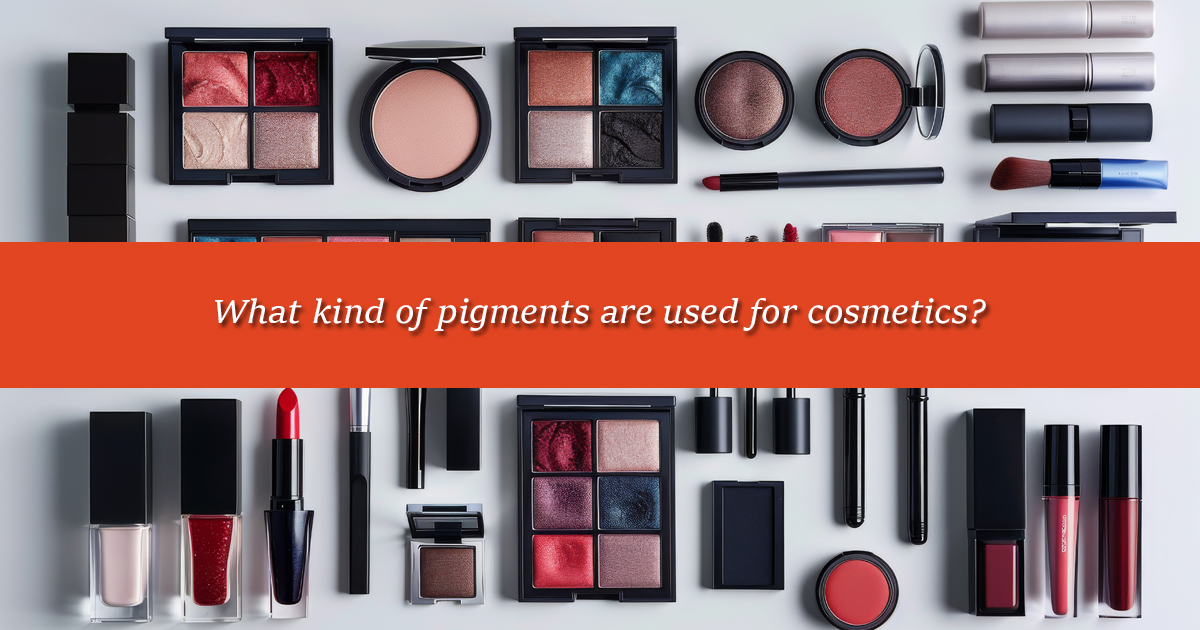
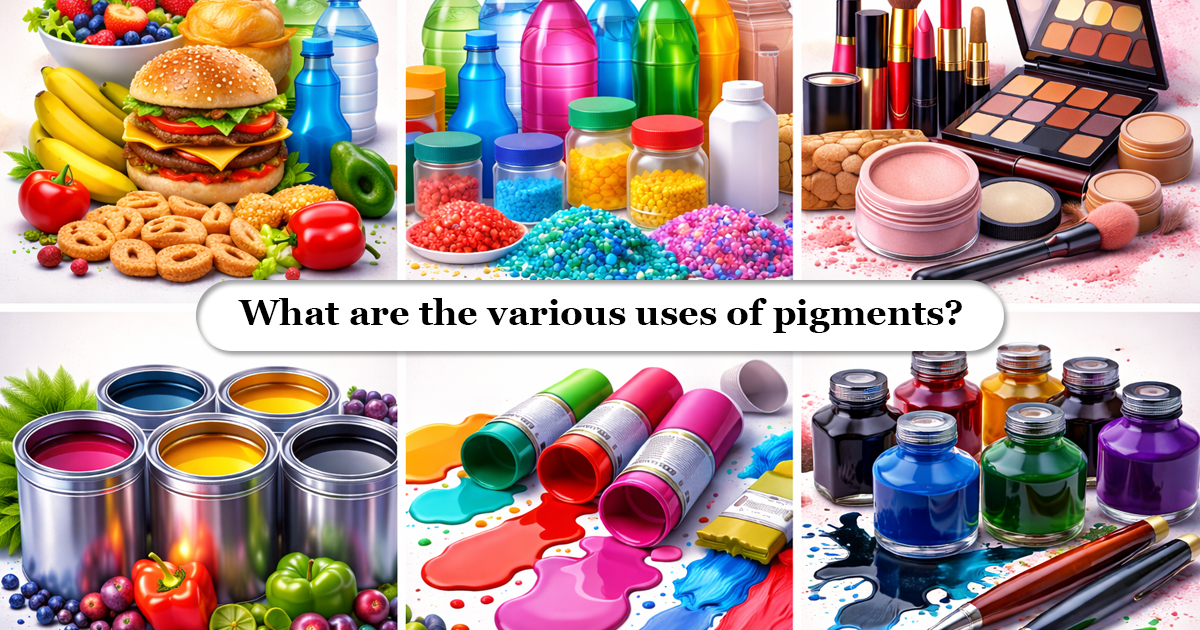
A pigment is a powder used to add color or change the visual appearance of a product. Pigments are a type of compound color that is applied to any material to provide a desirable color. The uses of pigments are popular worldwide in different applications, including cosmetics, fashion, art, medicine, and even computer displays.  In this blog post, we will walk you through different types of pigments used in cosmetics and personal care products. The majority of dyes and pigments applications can be seen in the cosmetic, drugs, food, textile, chemical, plastics, and paint industries. When it comes to using products with these pigments, it is crucial to apply high-quality products to the skin. No doubt, almost every woman today uses some kind of cosmetics daily, making it crucial to understand what kinds of pigments and color additives they contain in cosmetics. Talking about superior quality pigment colors, Hridhan Chem Pvt. Ltd. is India’s leading manufacturer and supplier of dyes and pigments that follow stringent FDA safety measurements and quality standards to ensure 100% reliability and efficacy.  So, let’s dive right into the different kinds of pigments used for cosmetics. Here we go with the basic definition of pigments.  What Are Pigments? A pigment refers to a powder

What kind of pigments are used for cosmetics? Read More

Top Trends in Cosmetic Pigment Colors for 2025
Pigments

Top Trends in Cosmetic Pigment Colors for 2025

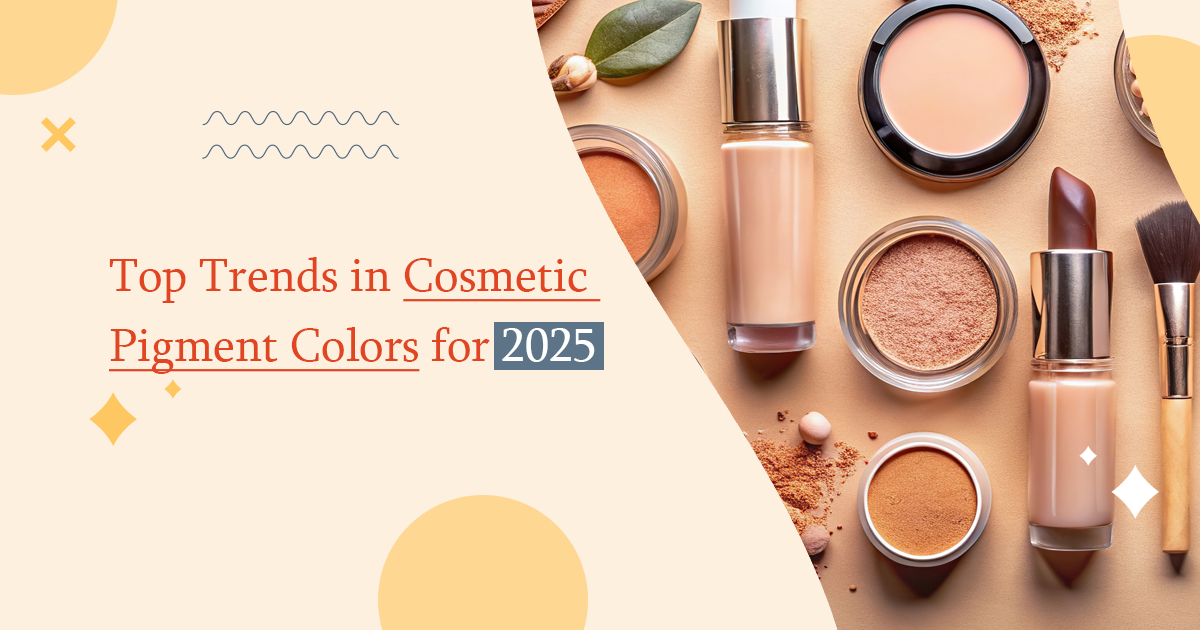
Color plays the most significant role in the cosmetic industry, which is ever-growing with the increasing use of new and more vibrant colors. The cosmetic industry has access to a comprehensive color portfolio, including a wide selection of organic dyes and pigments that are approved and permitted by the U.S. FDA. This blog post will discuss the top trends in cosmetic pigment colors for 2024. These pigments include high-purity iron oxides, a wide selection of inorganic chemistries, certified dyes, easy dispersions, and a diverse array of sparkling effect pigments. Based on their strengths and chemical properties, there is a significant difference between dyes and pigments.  Lip balms, lipstick, foundation, eyebrow pencils, contours, highlighters, blushers, eyeliners, and concealers are some of the most common cosmetic products that use these colors in the marketplace. If you wonder what color trends are booming in the cosmetic industry, you have come to the right place.  Top trends in cosmetic pigment colors for 2025 The following are the top trends used in cosmetic pigments, including but not limited to: Peach: The color varies from rose pinks to soft oranges with golden tones and matches a wide range of skin tones. Golden Terra: Warm browns that embody sustainability and simplicity, and are

Top Trends in Cosmetic Pigment Colors for 2025 Read More

Scroll to Top