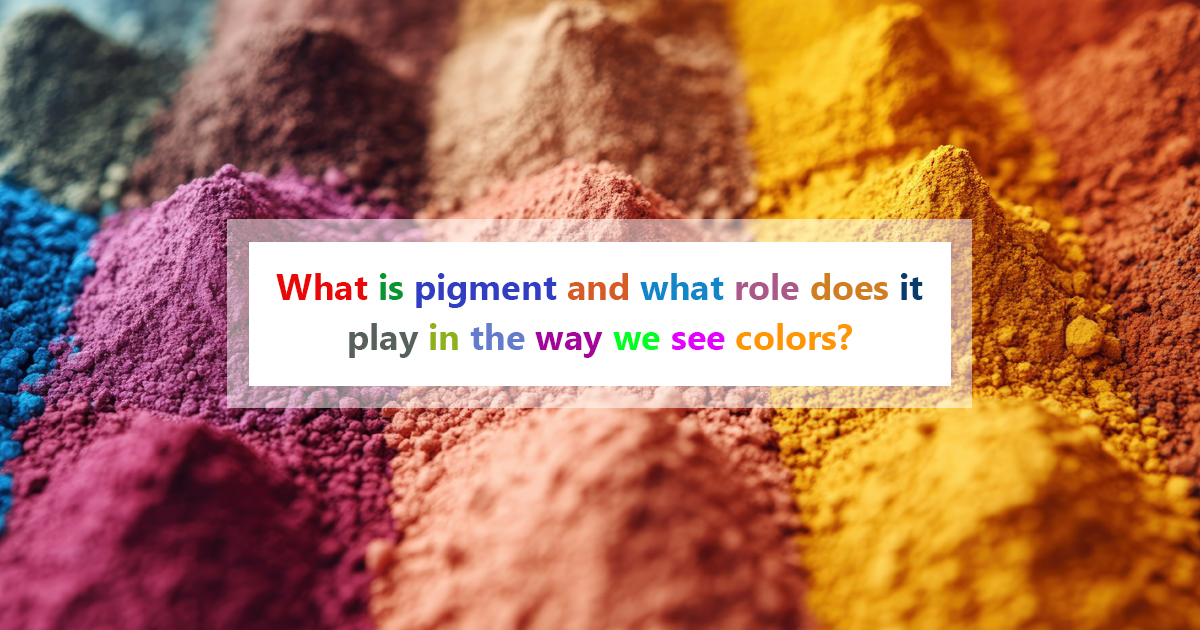
What is pigment and what role does it play in the way we see colors?
A pigment is a powder that imparts colors to enhance the visual appearance. Pigments are inorganic compounds completely insoluble in water and most solvents, whereas dyes are colored substances that are soluble in water and other mediums. Both dyes and pigments are different from the other and each functions differently and serves different purposes. Alright! In this blog post, we will discuss what is pigment and what role it plays in the way we see colors. The pigment is mainly used to impart colors to a material they are applied. Furthermore, cosmetic color dye pigments are broadly used for coloring different cosmetic products, such as eyeliner, lipstick, glow cream, etc. The main purpose of using pigments is to enhance the visual appearance of products and make them more appealing to customers. Additionally, the use of pigments is widespread in cosmetics and home and personal care products. If you are still wondering what is pigment and what role it plays in the way we see colors, continue reading this blog further. So, without any further ado, let’s get started with the basics! What is a Pigment? Pigments are classified as inorganic pigments and organic pigments or colored substances used to change the appearance of a
What is pigment and what role does it play in the way we see colors? Read More