Natural Dyes

The Importance of Natural Dyes: Sustainable and Safe Choices
Natural Dyes

The Importance of Natural Dyes: Sustainable and Safe Choices

As countries become increasingly cautious about the impact of their textiles and garments on the environment and public health, interest in using natural dyes in textile production is reviving. Synthetic dyes cause toxic and allergic reactions, prompting people to adopt natural dyes in their businesses. Natural dyes are obtained from renewable sources of coloring materials. To make an informed decision about using natural dyes for your business, you need to know the importance and pros and cons of natural dyes. Apart from textiles, natural dyes are used in various applications, such as the coloration of foods, medicine, and handicraft items. Although some natural dyes are eco-friendly, protecting your skin and providing pleasing color to the eyes, some aren’t completely eco-friendly and may be harmful to some extent. To achieve completely eco-friendly textiles, it will be necessary to conduct new research on the application of natural dyes. In this article, you will learn the importance of natural dyes, their advantages and disadvantages, and how they are becoming more popular today. Importance of Natural Dyes Natural dyes have been essential in our daily lives for decades, providing more effective and valuable uses with aesthetic consumer satisfaction. Indigo is one of the oldest…

The Importance of Natural Dyes: Sustainable and Safe Choices Read More

Exploring the Different Types of Natural Dyes
Natural Dyes

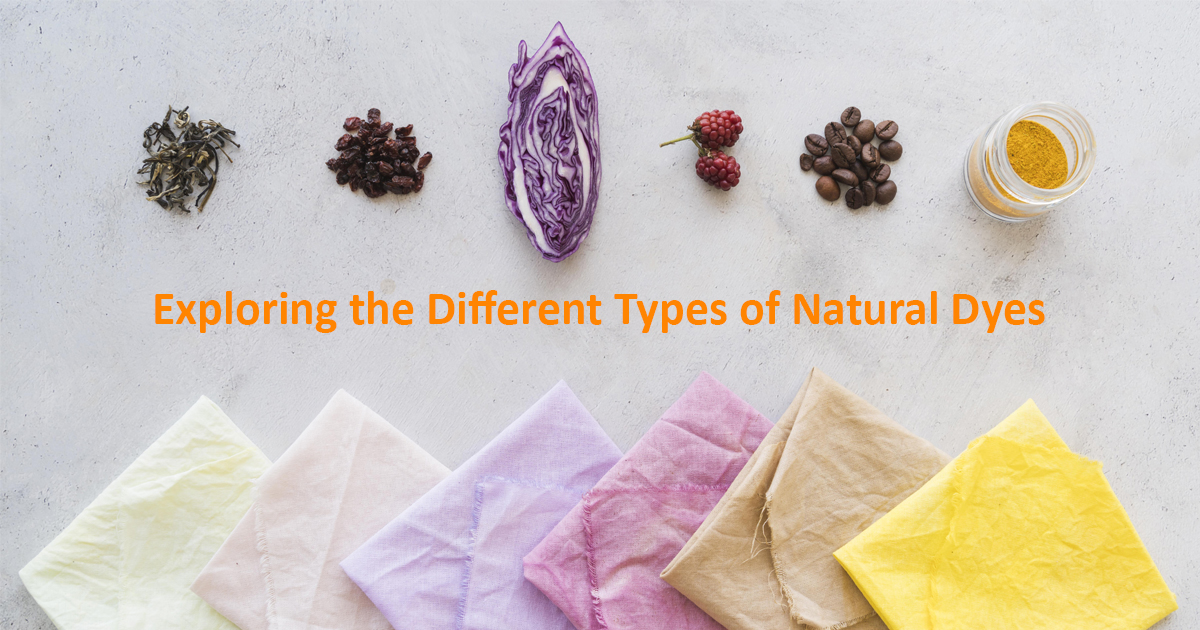
Exploring the Different Types of Natural Dyes

Natural dyes are colorants derived from naturally occurring sources, including plants, trees, vegetables, minerals, animals, etc. In ancient times, natural dyes were produced from wood, grass, roots, leaves, berries, nuts, seeds, or flowers. Today they are produced from green vegetables, minerals, animals, etc.  In this blog, we will discuss three types of natural dyes, including their advantages and disadvantages. The importance of natural dyes in foods and beverages can’t be overlooked due to their multiple health benefits. Generally, they are non-substantive and can be applied to textiles with the help of mordants.  Are you still wondering about different types of natural dyes and their uses and benefits, continue reading this blog further What are Natural Dyes? Natural dyes, also called natural pigments, refer to colors or pigments that are produced from naturally occurring sources, such as leaves, plants, roots, flowers, stems, animals, fruits, or natural-colored ores. These colors are mainly derived from insects, minerals, fungi, green plants, or invertebrates. Additionally, most natural dyes are also known as vegetable dyes due to the fact they are derived from various parts of plants, including seeds, leaves, stems, roots, bark, and wood. Insects, snails, or fungi are other popular biological sources of natural dyes or

Exploring the Different Types of Natural Dyes Read More

Scroll to Top