Blog

Key Factors to Consider When Choosing a Reliable Chemical Manufacturing Partner
About

Key Factors to Consider When Choosing a Reliable Chemical Manufacturing Partner

Introduction Choosing the right chemical manufacturing partner is a critical decision for businesses across industries such as cosmetics, food, pharmaceuticals, plastics, and textiles. Whether you are working with a dyestuff manufacturer in India, a pharmaceutical color manufacturer, or a cosmetic color manufacturer, the reliability of your partner directly impacts product quality, safety, and brand reputation. With many dye manufacturers in India and special suppliers, it is important to look at more than just price. Several factors affect whether a manufacturer can help your long-term growth. These include compliance, quality control, innovation, and scalability. This guide highlights key considerations when selecting a reliable chemical manufacturing partner. 1. Industry Experience and Specialization Experience matters in chemical manufacturing. A partner with proven expertise understands industry standards, regulations, and real-world challenges. For example, food color manufacturers in India must follow strict safety rules. Plastic dye manufacturers need to know a lot about material compatibility. Choose manufacturers who specialize in your product category, whether that includes water-based colorants, cosmetic pigments, pharmaceutical colors, or industrial dyes. Specialized experience leads to better consistency and fewer production risks. 2. Quality Standards and Certifications Quality should never be compromised. Reliable manufacturers invest in robust quality control systems and hold…

Key Factors to Consider When Choosing a Reliable Chemical Manufacturing Partner Read More
The Importance of Natural Dyes: Sustainable and Safe Choices
Natural Dyes

The Importance of Natural Dyes: Sustainable and Safe Choices

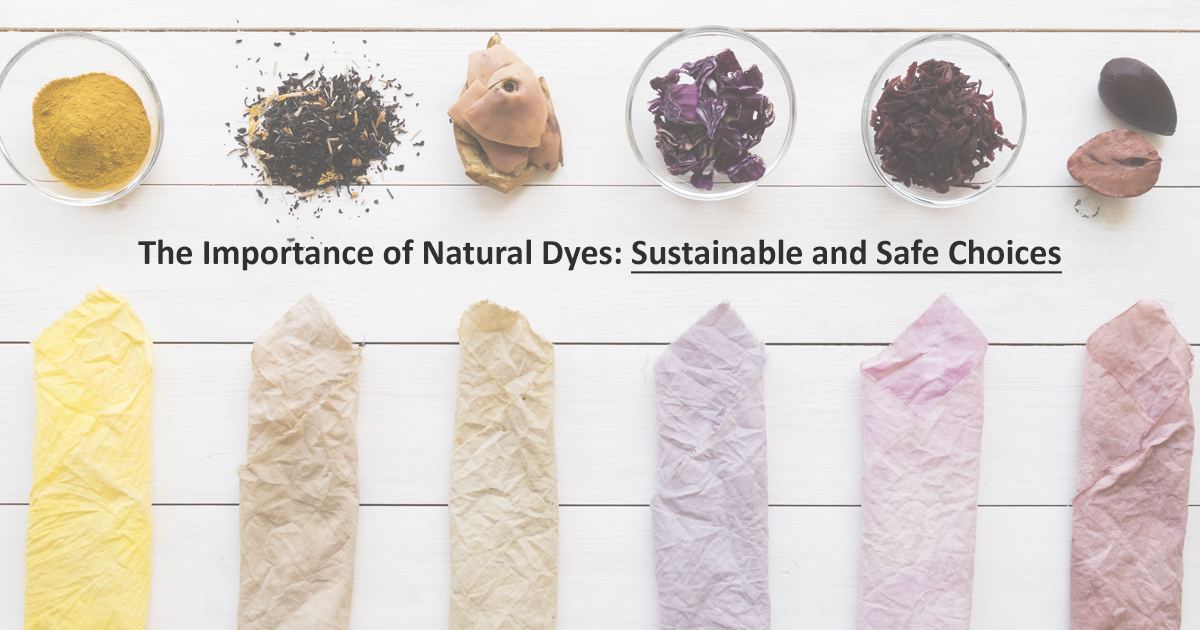
As countries become increasingly cautious about the impact of their textiles and garments on the environment and public health, interest in using natural dyes in textile production is reviving. Synthetic dyes cause toxic and allergic reactions, prompting people to adopt natural dyes in their businesses. Natural dyes are obtained from renewable sources of coloring materials. To make an informed decision about using natural dyes for your business, you need to know the importance and pros and cons of natural dyes. Apart from textiles, natural dyes are used in various applications, such as the coloration of foods, medicine, and handicraft items. Although some natural dyes are eco-friendly, protecting your skin and providing pleasing color to the eyes, some aren’t completely eco-friendly and may be harmful to some extent. To achieve completely eco-friendly textiles, it will be necessary to conduct new research on the application of natural dyes. In this article, you will learn the importance of natural dyes, their advantages and disadvantages, and how they are becoming more popular today. Importance of Natural Dyes Natural dyes have been essential in our daily lives for decades, providing more effective and valuable uses with aesthetic consumer satisfaction. Indigo is one of the oldest

The Importance of Natural Dyes: Sustainable and Safe Choices Read More

Understanding-Pharmaceutical-Colorants-and-Pigments
Pharmaceutical Colors

Pharmaceutical Colorants: Types, Uses, and Importance

Introduction Color helps in pharmaceuticals by making medicines look appealing, easy to identify, and easier for patients to take as prescribed. Color helps distinguish products, indicate dosages, and build consumer trust, whether a vibrant tablet or a softly tinted syrup. Behind this visual appeal lies a specific class of additives known as pharmaceutical colorants. Formulators, on purpose, add these substances to drug formulations for color. They choose them carefully to ensure safety, stability, and regulatory compliance. This blog will explore pharmaceutical colorants, their grouping, and why they matter more than you might think. What are Pharmaceutical Colorants? Pharmaceutical colorants are pigments or dyes used in pharmaceutical formulations to provide or enhance color. These colorants don’t just make medicine look good—they help patients tell medications apart, avoid taking the wrong dose, and stick to their treatment plan. Manufacturers incorporate pharmaceutical colorants into various dosage forms, from tablets and capsules to creams and injectables. They can also aid in branding, allowing pharmaceutical companies to create visually distinct products that are easy to recognize. Formulators choose these colorants based on their ability to dissolve, safety, stability, and ability to work with active pharmaceutical ingredients (APIs). They must also meet strict regulatory standards, ensuring

Pharmaceutical Colorants: Types, Uses, and Importance Read More

Colors in Pharmaceutical Preparations: Types and Importance
Pharmaceutical Colors

Colors in Pharmaceutical Preparations: Types and Importance

Introduction Pharmaceutical preparations must meet strict safety, efficacy, and patient usability standards. Color plays a critical yet often overlooked role among the many formulation elements. Manufacturers use specific colors in pharmaceutical preparations for aesthetic, practical, psychological, and regulatory reasons. The right color helps patients identify their medications, encourages adherence, and supports brand recognition across global markets. Why Colors Matter in Pharmaceuticals? Color serves as more than a decorative feature in medications. It offers functional benefits that directly affect patient health outcomes. Here’s how colors in pharmaceutical preparations add value: Identification and distinction: Color enables easy distinction between drugs that may look similar in size or shape. It reduces the risk of medication errors in clinical and home settings. Improved Patient Compliance: Patients, especially children and older adults, respond better to appealing medications. Color makes tablets and syrups more acceptable and easier to remember. Psychological Influence: Colors can trigger specific psychological responses. For example, blue often conveys calmness, while red may indicate strength or alertness. These associations can influence how patients perceive the effectiveness of a medication. Pharmaceutical companies build trust and enhance the treatment experience using carefully selected colors. Read More: Impact of Pharmaceutical colors on medicine Types of Colorants

Colors in Pharmaceutical Preparations: Types and Importance Read More

Why Food Color Stability Matters: A Complete Guide for F&B Manufacturers
About

Why Food Color Stability Matters: A Complete Guide for F&B Manufacturers

Introduction If you work in the food and beverage industry, you know how important Food color is. The right color makes food look fresh, delicious, and appealing. But color alone is not enough. Food color stability — how well the color stays true over time — matters just as much. For F&B manufacturers, choosing stable colors can make a huge difference in quality, shelf life, and brand trust. In this guide, we will explain why food color stability matters. We will also show how working with trusted suppliers can help. These suppliers include food color manufacturers, dyestuff manufacturers, and plastic dye manufacturers in India. This way, you can create consistent and attractive products. What Is Food Color Stability? Food color stability means that the color you add to your product stays the same from production to consumption. Whether it’s a water-based drink, candy, baked goods, or sauces, unstable color can fade, change, or separate. That affects how customers see your product. Why Stable Food Colors Matter 1. First Impressions Count Customers eat with their eyes first. Bright and consistent colors attract buyers. If the color changes over time, customers may think your product is old, spoiled, or low-quality. 2. Maintains

Why Food Color Stability Matters: A Complete Guide for F&B Manufacturers Read More

How to Evaluate a Color Supplier: A Practical Checklist for Manufacturers
About

How to Evaluate a Color Supplier: A Practical Checklist for Manufacturers

Introduction Choosing the right color supplier is one of the most critical decisions for any manufacturer. Whether you make color cosmetics in India, food, medicine, or plastic goods, the quality of your colorants matters.With so many dyestuff manufacturers in India, the process can feel confusing. But a clear, practical checklist can help you compare suppliers based on quality, safety, pricing, and long-term reliability. In this blog, we explain what you need to think about before choosing a partner. This applies whether you need water-based colorant, cosmetic pigments, food colors, or pharmaceutical dyes.   A Practical Checklist for Selecting the Right Color Supplier 1. Product Quality and Testing Standards Start by reviewing the supplier’s quality certifications. Reliable dye manufacturers in India should follow strict quality testing and provide batch-wise reports.Look for:• Consistency in shade• Purity and stability• Certificates such as ISO, GMP, or regulatory complianceThis is especially important for a pharmaceutical colors manufacturing company, as these products must meet strict safety norms. 2. Range of Products Offered A strong supplier should offer a wide selection based on your industry’s needs. This includes:• Water-based colorant• Oil-soluble and solvent-soluble dyes• Organic and inorganic pigments• Specialty blendsA broad portfolio ensures you don’t rely on

How to Evaluate a Color Supplier: A Practical Checklist for Manufacturers Read More

ow Plastic Dye Innovations Are Driving Packaging and Industrial Growth
About

How Plastic Dye Innovations Are Driving Packaging and Industrial Growth

In the rapidly evolving landscape of modern manufacturing, Plastic Dye and colorants are undergoing swift transformations. These elements play a crucial role not only in textiles and cosmetics but also in packaging and various industries. Hridhan Chem Private Limited stands out as a leading dye producer in India. With more than three decades of expertise, they prioritize innovation in plastic dyes, fostering significant growth prospects for the company. Their expertise extends across a wide range, from producing food colors in India to crafting cosmetic colors for color cosmetics manufacturers, as well as manufacturing pharmaceutical colors. In this blog, we will explore how new plastic dye innovations are driving growth in packaging and industry. We will also discuss why manufacturers in various sectors, like cosmetics, pharmaceuticals, food, and plastics, are taking notice. Why Plastic Dye Innovations Matter Plastic packaging is one of the fastest-growing segments in industrial output. According to recent market data, the global plastic pigment market (which includes dyes and colourants for plastics) was valued at around USD 11.2 billion in 2022 and is projected to reach USD 21.8 billion by 2032, growing at a CAGR of 6.9%. This indicates that demand is strong and increasing. But why is

How Plastic Dye Innovations Are Driving Packaging and Industrial Growth Read More

The Rise of Sustainable Water-Based Colorants in Modern Cosmetics
Uncategorized

The Rise of Sustainable Water-Based Colorants in Modern Cosmetics

The beauty industry is undergoing a remarkable transformation. As consumers pay more attention to their skincare and makeup products, they want eco-friendly, safe, and sustainable colorants. Among these, water-based colorants are emerging as a game-changer for modern cosmetics. Today, top color cosmetics makers in India are shifting from heavy synthetic pigments. They are now using natural and water-based options. This shift not only benefits the environment but also enhances product safety, performance, and overall quality. The Shift Toward Sustainable Cosmetic Formulations Traditionally, cosmetic colorants relied heavily on solvent-based dyes, which often posed environmental and skin-sensitivity concerns. Now, dyestuff manufacturers in India are pioneering water-based formulations that reduce toxic emissions and improve biodegradability. These innovations align perfectly with global trends toward clean beauty — a movement that promotes transparency, sustainability, and wellness. For companies in the cosmetics, food, and pharmaceutical sectors, this shift marks a new era of responsible manufacturing. What Makes Water-Based Colorants Special? Water-based colorants stand out for their safety, versatility, and sustainability. Unlike solvent-based alternatives, they are free from harmful chemicals and produce minimal waste. This makes them ideal for use in products like lipsticks, foundations, eyeshadows, and skincare formulations. Here’s why manufacturers prefer them: Eco-friendly & Biodegradable:

The Rise of Sustainable Water-Based Colorants in Modern Cosmetics Read More

Evolving Trends in Pharmaceutical Color Manufacturing: Balancing Safety and Innovation
About

Evolving Trends in Pharmaceutical Color Manufacturing: Balancing Safety and Innovation

Introduction The pharmaceutical industry increasingly relies on Pharmaceutical Colors Manufacturing Company to produce safe, vibrant, and innovative dyes. The market in India is changing quickly. It includes dyestuff manufacturers and color cosmetics makers. They are working to meet strict safety standards and consumer needs. Water-based colorants, eco-friendly dyes, and new pigment technologies are changing the industry. Food color manufacturers in India, along with dye and plastic dye makers, are connecting safety, innovation, and beauty. Safety Standards in Pharmaceutical Colors Manufacturing Company Ensuring safety is critical for any pharmaceutical color manufacturer. All dyes and pigments must comply with stringent regulatory standards, including: FDA and WHO guidelines for pharmaceutical and food-grade dyes Allergy and toxicity testing for cosmetic colors manufacturing company products Batch testing for consistency and purity by dyestuff manufacturers in India Strict safety protocols protect consumers and build trust in the growing market for pharmaceutical color manufacturing companies. Innovation in Colorants and Dyes Innovation drives growth in pharmaceutical color manufacturing. Trends include: Non-toxic, water-based colorants for tablets, capsules, and cosmetics Long-lasting and vibrant pigments from plastic dye manufacturers in India Multi-functional dyes are used across food color manufacturers, cosmetic colors manufacturing companies, and pharmaceutical applications. By embracing innovation, pharmaceutical color manufacturers

Evolving Trends in Pharmaceutical Color Manufacturing: Balancing Safety and Innovation Read More

Scroll to Top