Food Colors

Add vibrancy to your culinary creations with our premium Food Colors. Safe and easy to use, our bright hues enhance everything from baked goods to beverages, making your dishes visually irresistible

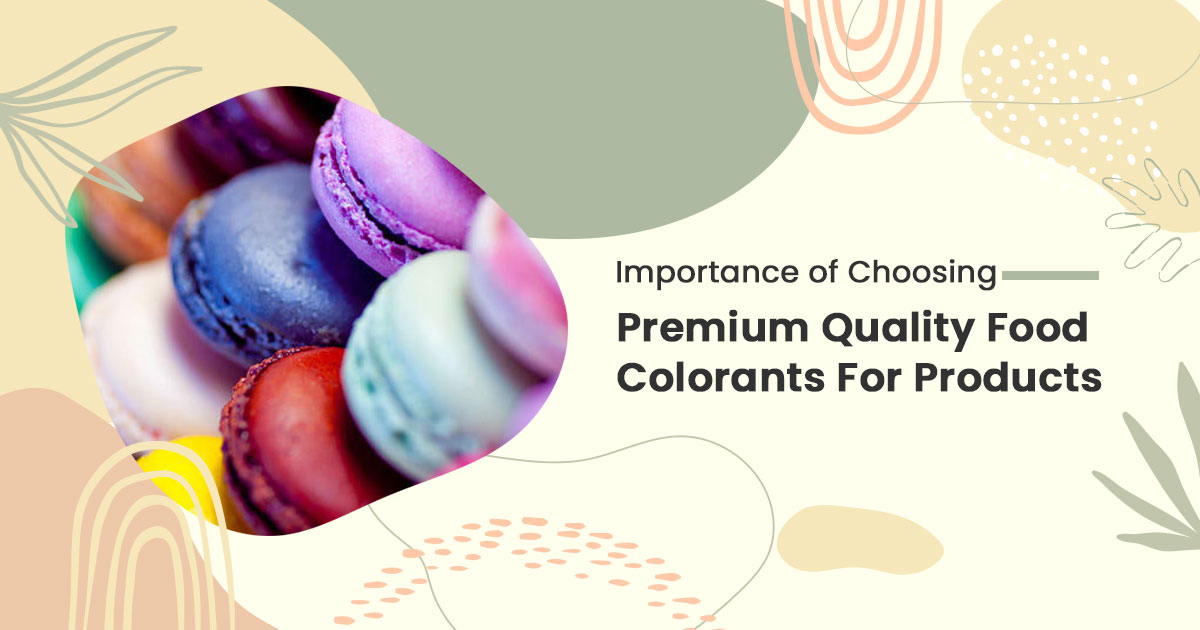
Importance of Choosing Premium Quality Food Colorants For Products
Food Colors

Importance of Choosing Premium Quality Food Colorants For Products

Food colorants, colors, or coloring agents are dyes and pigments that play an important role in making food products more appealing and attractive to consumers’ eyes. Consumers will likely be attracted to a product by its color, look, and feel. Food colorants provide a wide range of hues and colors to your products and improve the overall visual appearance more effectively. Color has a strong connection with the taste of perception, as it helps consumers remember the taste and quality of the product. Color is used to improve its visual appeal and show the enriched quality of the product & its ingredients. That’s why it is essential to choose the right, premium-quality food colors or colorants to make your products appealing and enriched with high-quality ingredients. If you are a business thinking about the importance of choosing premium quality food colorants for products, you have come to the right place. All right! Here we will talk about the importance of choosing premium quality food colorants for your products. So, let’s get started! Importance of color quality Whether food & beverage, cosmetic, or pharmaceutical industry, color quality is always of primary concern to both the color manufacturer and the consumer. These…

Importance of Choosing Premium Quality Food Colorants For Products Read More

Blended Food Colors: A Perfect Mix for Vibrant Creations
Food Colors

Blended Food Colors: A Perfect Mix for Vibrant Creations

Introduction Color plays a crucial role in how we perceive and enjoy food. A visually appealing dish can stimulate appetite and enhance the overall eating experience. From rich reds in sauces to soft pastels in desserts, food colors are more than just aesthetic—they influence expectations, taste perception, and even purchasing decisions. Among the many innovations in this field, blended food colors have emerged as a versatile and dynamic solution for food manufacturers and culinary artists alike. What Are Blended Food Colors? Blended food colors combine two or more food-safe colorants carefully mixed to create a specific shade or hue. Unlike single-color additives, manufacturers design these blends to provide precise, consistent, and vibrant color results that are difficult to achieve with individual colorants alone. Manufacturers may derive blended food colors from natural or synthetic sources and carefully formulate them to meet the unique requirements of different food products. For instance, a blend might combine yellow and red to produce a warm orange ideal for baked goods or snacks. The goal is to achieve better color stability, improved visual appeal, and greater flexibility in formulation. Types of Blended Food Colors Blended food colors are generally categorized based on their source and application.

Blended Food Colors: A Perfect Mix for Vibrant Creations Read More

Understanding the Importance of Food Color in Food
Food Colors

Understanding the Importance of Food Color in Food

Color is a pivotal sensory attribute in the culinary world, profoundly influencing our perception, preference, and overall experience of food and beverages. Beyond mere aesthetics, food color affects taste expectations, appetite, and even purchasing decisions. This article explores the complex importance of food colors, delving into their psychological impact, cultural significance, and the ongoing shift toward natural alternatives. The Psychological Impact of Food Color Our brains naturally react to what we see, and color plays a huge role in how we expect food to look and taste. Studies have shown that color can significantly influence how we perceive the taste and flavor of food and beverages. For example, a bright red drink can make us think it will taste sweet and fruity, while a dull color might make it look less fresh and tasty. This phenomenon underscores the critical role color plays in setting sensory expectations.   Color Associations and Appetite Stimulation Different colors evoke specific associations and emotional responses that can either stimulate or suppress appetite:​ Red: Often linked to sweetness and ripeness, red can enhance food’s perceived sweetness and stimulate appetite. Yellow and Orange: Marketers often use these colors to show energy and joy in advertising snacks and

Understanding the Importance of Food Color in Food Read More

Scroll to Top