Synthetic Dyes

Cosmetic Colors, Cosmetic Dyes, Dyes, Food Colors, Food dyes, Inkjet & Printing Dyes, Natural Dyes, Personal & Home Care Colors, Pharmaceutical Colors, Pharmaceutical Dyes, Pigments, Synthetic Dyes

How Pharmaceutical Colors Ensure Safety and Compliance

Pharmaceutical colors are more than just visual enhancements—they are critical for patient safety and compliance. By helping patients distinguish medications and ensuring accurate dosing, these colors directly impact health outcomes. Leading Pharmaceutical Colors Manufacturing Company and pharmaceutical color manufacturers in India supply safe, high-quality, and consistent colors that comply with international standards. Why Pharmaceutical Colors Matter Colors in medicines are essential for: Identification of drugs: Clear visual distinction prevents mix-ups. Error reduction: Distinguishable colors reduce dosage mistakes. Brand recognition: Unique color patterns help pharmaceutical brands stand out. Top dyestuff manufacturers in India, plastic dye manufacturers in India, and food color manufacturers in India now focus on producing pharmaceutical-grade colors. People commonly utilize water-based colorants to ensure safety and sustainability. Colors and Patient Safety Patient safety is the top priority in healthcare. Pharmaceutical colors contribute by: Minimizing medication errors with clear differentiation Supporting visually impaired patients in identifying medicines Maintaining consistent quality across production batches Working with reputable pharmaceutical color manufacturers ensures that every tablet or capsule meets strict safety regulations. Colors and Patient Compliance Patient compliance increases when medicines are easy to recognize and appealing: Vibrant and distinct colors make medicines easier to remember Helps patients follow complex dosing schedules…

How Pharmaceutical Colors Ensure Safety and Compliance Read Post »

Synthetic Dyes

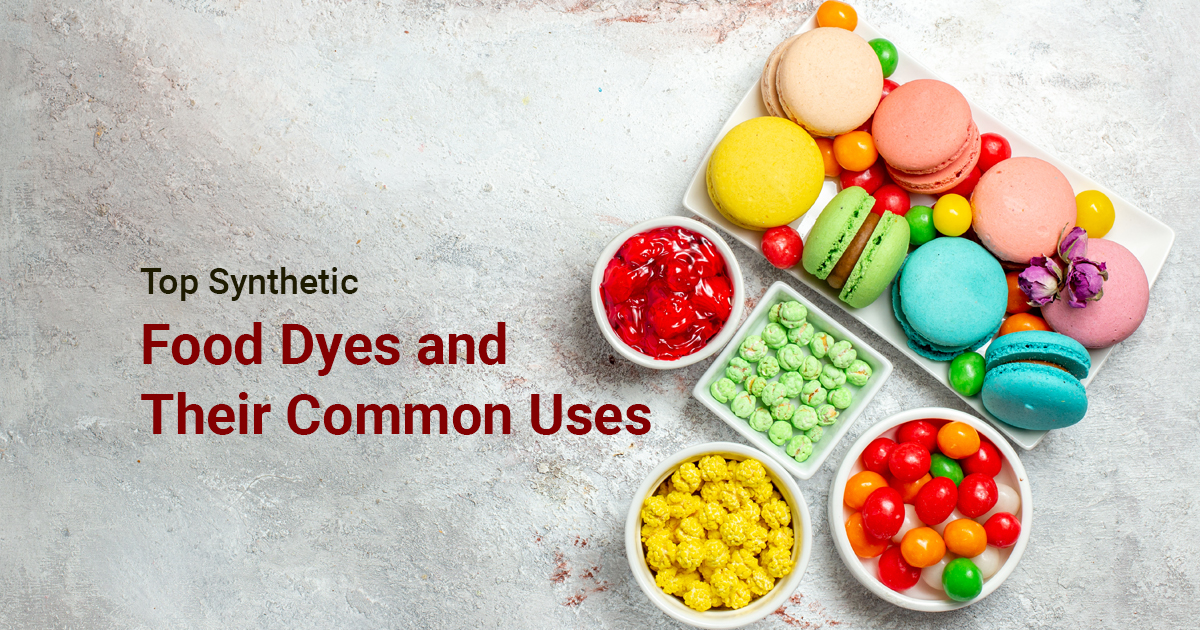
Top Synthetic Food Dyes and Their Common Uses

The most common synthetic food dyes are Red No. 40, Yellow No. 5, and Yellow No. 6, which are commonly used in food, drugs, or cosmetics. Synthetic food dye refers to any dye, pigment, or other substance that provides color to food, drugs, or cosmetics. Synthetic food color additives are important components of many products, making them attractive, appealing, appetizing, and informative.  In this blog, we will discuss the most common synthetic food dyes, including their uses and benefits.  The primary purpose of artificial food dyes is to provide different colors with various hues and shades to make products more appealing and attractive to consumers. The U.S. FDA monitors synthetic food dyes or color additives to ensure proper use and as directed on the label.  Whether you’re a business or an individual professional thinking about the most common synthetic food dyes, continue reading this blog. What Are Synthetic Food Dyes? Synthetic food dyes, also known as color additives, colors, or synthetic colors, are derived from coal-tar or petroleum-based chemicals and are used to make food, drugs, and cosmetics more appealing.  The most common synthetic food dyes are color additives widely used in a variety of applications, including drugs, cosmetics, and pharmaceutical dosage forms.  Types of Synthetic

Top Synthetic Food Dyes and Their Common Uses Read Post »

Synthetic Dyes

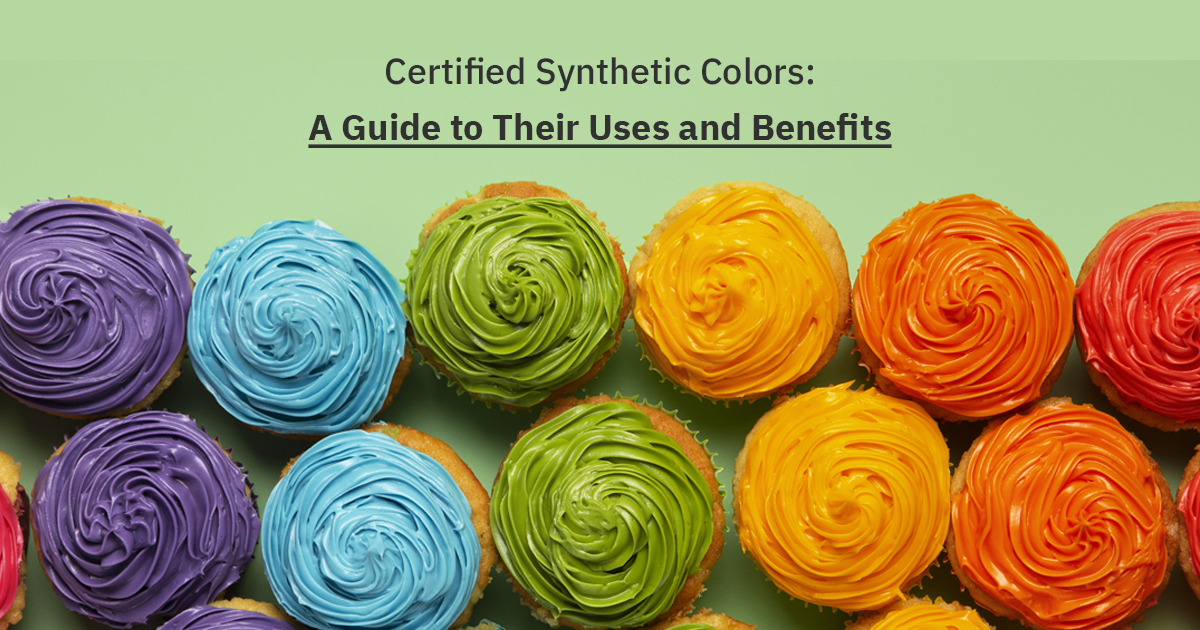
Certified Synthetic Colors: A Guide to Their Uses and Benefits

Certified synthetic colors, or artificial colors, are used to color food and beverage products for various industrial applications. These synthetic colors are derived from coal-tar and petroleum-based chemicals. This blog post will walk you through the top 5 certified synthetic colors for food & beverage products.  Sunset yellow, brilliant blue, allura red, brilliant blue, and indigo carmine are a few examples of top-certified synthetic colors. The importance of synthetic dyes or colors are popular because they are less expensive and provide a more effective intense and vibrant color. Synthetic dyes are best known for providing a comprehensive range of dyes and hues.  Whether you are a business owner or an individual professional wondering about the top 5 certified synthetic colors for food & beverage products, continue reading this blog further. What are Certified Synthetic Colors? Certified synthetic colors, known as certified color additives, colorants, or coloring agents derived from coal tar and chemical reactions approved by the FDA for use in food, drugs, and cosmetics. The US FDA regulates the use of certified synthetic colors or permitted synthetic dyes to ensure they meet rigorous testing and quality standards.   A color additive is any dye, pigment, or other substance used to impart color to foods,

Certified Synthetic Colors: A Guide to Their Uses and Benefits Read Post »

Synthetic Dyes

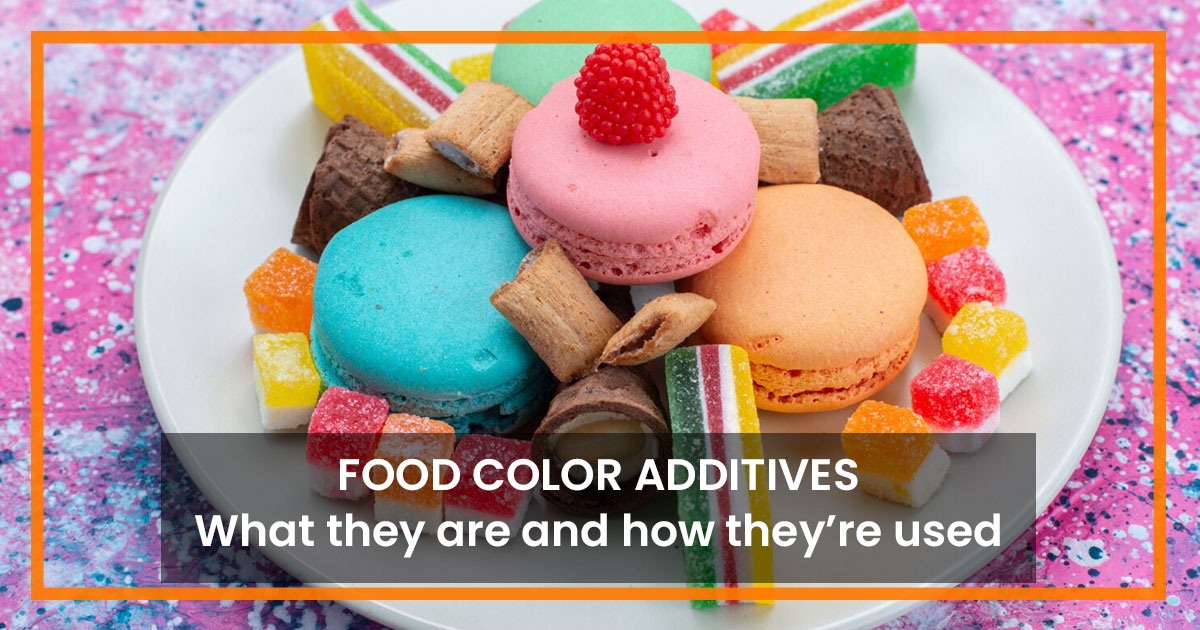
Food Color Additives: What They Are and How They’re Used

Color additives are colors, colorants, or coloring agents widely used to impart color to different food & beverage products, making them more appealing to consumers. A color additive is any dye, pigment, or other substance for coloring food, drugs, or cosmetics. In this blog, we will discuss what are color additives in the food industry.  There’s a long history of food color additives as they have been used for centuries. Color additives are essential components of numerous products, making them more appealing, attractive, and appetizing than ever before. In addition to identifying candy flavors, medicine dosages, and left and right contact lenses on sight added color acts as a code.  Regarding the safety and appropriate use of color additives, the Food and Drug Administration (FDA) has an important role in this area. Whether you’re a business or an individual professional wondering what color additives are used in the food industry, you have come to the right place. What Are Color Additives? Color additives refer to any substances used to provide color to foods, drugs, or pharmaceuticals. The US FDA regulates and monitors the use of food color additives used in various industrial applications. These color additives are derived from natural sources for

Food Color Additives: What They Are and How They’re Used Read Post »

Synthetic Dyes

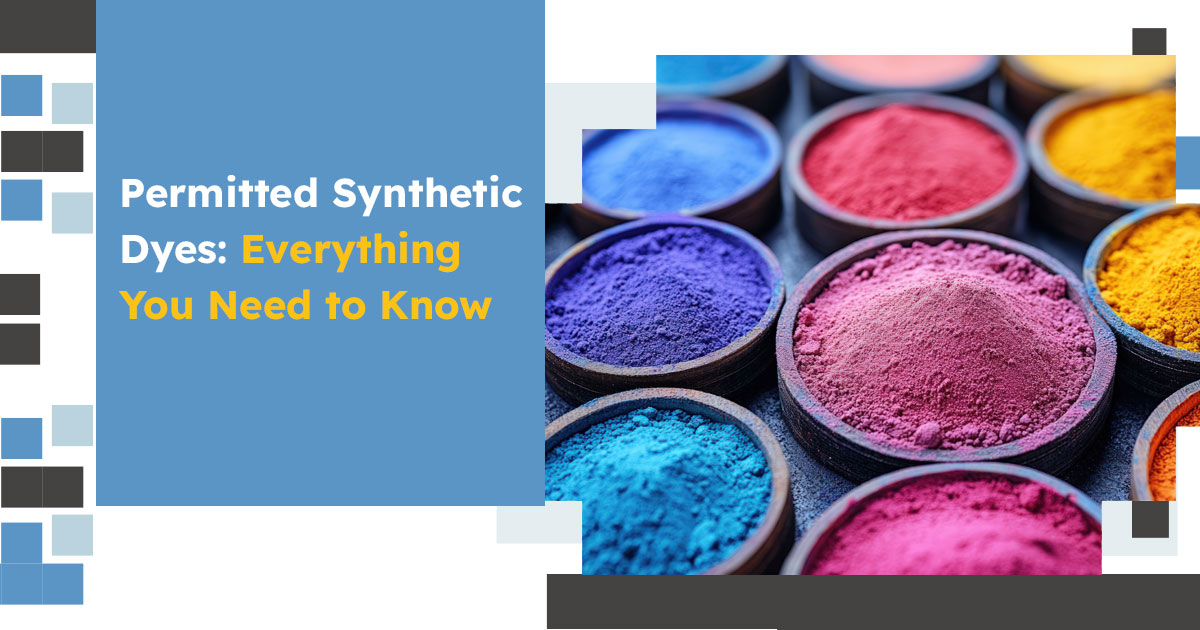
Permitted Synthetic Dyes: Everything You Need to Know

Permitted synthetic dyes are chemicals derived from coal-tar and petroleum-based chemicals used in foods, drugs, and cosmetics. The Food, Drug, and Cosmetics Act (FD&C Act) requires food colors or colorants to be tested for purity and to contain no specific contaminants within legal limits. In this blog post, we will walk you through the permitted synthetic dyes.  The use of permitted synthetic colors is regulated and monitored under the U.S. FDA Act to ensure product quality and efficacy. Permitted synthetic dyes or colors that are not permitted or colors that are used randomly can negatively affect humans and animals. These synthetic dyes are also known as certified synthetic colors or dyes most commonly used in cosmetics, foods, and pharmaceuticals.  Whether you’re a business or individual professional still wondering what are permitted synthetic dyes and need more information on the usage of synthetic dyes, continue reading this blog further. What are Permitted Synthetic Dyes? Permitted synthetic food dyes include Yellow dyes (Tartrazine, Sunset Yellow FCF), Blue dyes (Indigo Carmine, Brilliant Blue FCF), Red dyes (Ponceau 4R, Azorubine, Erythrosine), and the Green dye Fast Green FCF. These synthetic dyes must meet the requirements of the US FDA, EFSA, and FSSAI, and be pure and

Permitted Synthetic Dyes: Everything You Need to Know Read Post »

Synthetic Dyes

Synthetic Dyes Explained: Revolutionizing Color in Industry

Synthetic dyes are chemical compounds derived from coal tar or petroleum-based chemicals in a well-designed laboratory. Synthetic dyes and chemicals are rapidly increasing due to their powerful capabilities to produce more vibrant, bright colors, making the product more appealing, attractive, and pleasing to consumers. In this blog, we will talk about synthetic dyes and explore their various applications in different industries.  Synthetic dyes are used for food coloring due to their several advantages and chemical properties, which enhance the overall look and feel of food items. They are also widely used in various industrial applications, including drugs, cosmetics, textiles, plastics, and more, to enhance the visual appearance of products.  Synthetic dyes are popular worldwide due to their cost-effectiveness, ease of use, wide range of color variables, durability, and greater shelf life value. Artificial dyes are certified and tested under a rigorous testing process set by the U.S. FDA and EFSA to ensure the safety and proper use in various applications.  If you’re wondering about synthetic dyes and their advantages and disadvantages, continue reading this blog.  Understanding Dyes What are dyes? How are dyes obtained? You often think about that when it comes to dye. Dyes are chemical substances that impart color to materials

Synthetic Dyes Explained: Revolutionizing Color in Industry Read Post »

Synthetic Dyes

Synthetic dyes used in home and personal care products

Synthetic dyes are widespread for a comprehensive range of industrial applications, including food, pharmaceuticals, cosmetics, and home & personal care products. They are also commonly used in coating & plastic and inkjet & printing dye applications. The primary objective of synthetic dyes is to enhance the visual appearance of a product to make it more appealing and attractive to consumers. The demand for these synthetic dyes or colorants is consistently growing with the increasing perception of people with the colors. More than 90% of people are likely to be attracted to a product and make their purchase decision by seeing its colors or visual appearance. Synthetic dyes or artificial colorants play an important role in improving the overall look and feel of the product. Whether it is food, pharmaceutical, cosmetics, or home & personal care products, you can easily find the uses of synthetic dyes in every product. However, there are certain rules, regulations, and guidelines on the proper use of synthetic dyes to ensure the safety and efficacy of a product. It is the US FDA that regulates, approves, and permits the use of synthetic dyes only when they pass its rigorous testing and quality standards. Cosmetic product manufacturers

Synthetic dyes used in home and personal care products Read Post »

Synthetic Dyes

The Truth About Synthetic Dyes Used for Food Coloring: Are They Safe for Consumption?

Food colorings or additives are dyes, pigments, or substances that impart color when added to food or beverages. It’s hard not to put the food in your grocery bag or eat it right away when you step into the market – making food vibrant and more appealing. In this article, we will talk about synthetic dyes used for food coloring. If you’re wondering what are food dyes and how safe they are, you are in the right place. You can find food coloring everywhere whether you’re cooking at home or in a commercial kitchen. The products range from liquids to powders to gels to pastes. In addition to cosmetics, food colorants are used in many other applications, including medical devices, pharmaceuticals, and home craft projects. Food colors play an important role in the visual presentation of food, which is one of the most powerful effects of their use. Some food colors and flavors have been approved for consumption by the U.S. FDA and FSSAI (Food Safety and Standards Authority of India). Let’s dive into the different types of food dyes used for food coloring. Importance Of Colors in Foods? Color can affect how people perceive food flavors in anything from

The Truth About Synthetic Dyes Used for Food Coloring: Are They Safe for Consumption? Read Post »

importance-of-synthetic-dyes
Synthetic Dyes

Unlock the Importance of Premium Synthetic Dyes for Your Business Success

Synthetic dyes, colors, colorants, or coloring agents are widely used to impart various colors and shades to foods, pharmaceuticals, cosmetics, and home and personal care products. These dyes are best known for their lucrative advantages, including bright colors, cost-effectiveness, and longer shelf life than natural dyes. Well! Here, we will discuss the importance of premium-quality synthetic dyes for your business, including their advantages and applications in various industry verticals.  Synthetic dyes are widely used in various industries, including food and beverage, cosmetics, and pharmaceuticals. Artificial dyes are more durable and stable, offering bright colors and cost efficiency. If you are a business wondering about the benefits of synthetic dyes for your operations, you have come to the right place.  Let’s explore the importance of premium-quality synthetic dyes, including their classifications, advantages, and applications in various industrial settings. Classification of Synthetic Dyes Synthetic dyes can be categorized based on different criteria, including their application, chemical structure, and dyeing process. Artificial dyes can be further classified depending on the following criteria:  1. Application: These dyes can be further classified based on their applications, including leather dyes, textile dyes, paper dyes, food dyes, cosmetic dyes, and inkjet dyes. 2. Chemical structure: Based on their chemical

Unlock the Importance of Premium Synthetic Dyes for Your Business Success Read Post »

Scroll to Top